
What is the Best Season For Trekking in Nepal?
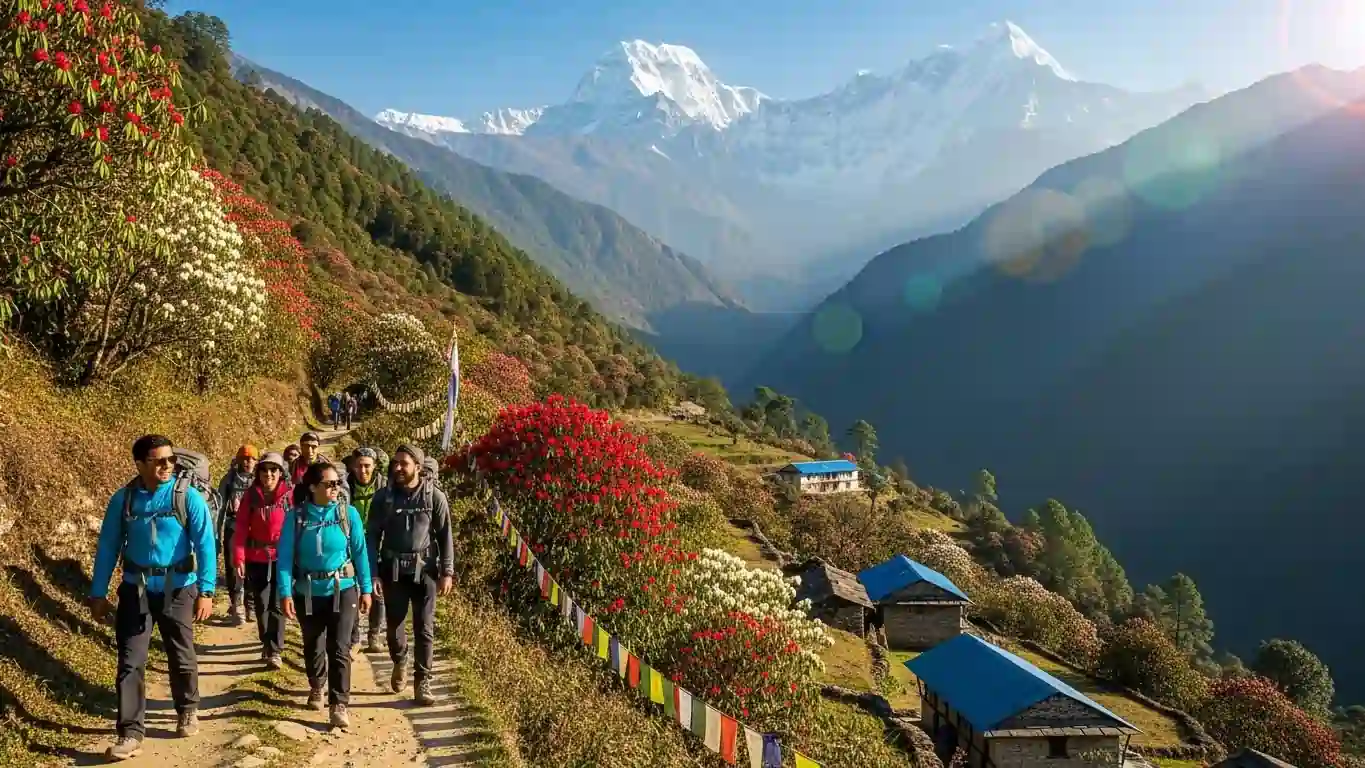
Best season for trekking in Nepal is autumn, mainly from September to November. Autumn months bring stable weather, clear skies, minimal rainfall, plus excellent mountain visibility. Trails stay dry, reducing slip risk across steep sections. Daytime temperatures feel comfortable at lower elevations, while higher regions remain cold yet manageable. Major trekking routes such as Everest Base Camp, Annapurna Base Camp, Langtang Valley, plus Manaslu Circuit show best conditions during autumn period.
Autumn trekking season also aligns with post-monsoon freshness, meaning landscapes appear green, rivers flow clean, plus air quality improves. Mountain panoramas remain sharp during mornings plus late afternoons. Teahouses operate fully, transportation works reliably, plus rescue access stays efficient. Due to predictable conditions, autumn suits trekking in Nepal for beginners as well as experienced trekkers, solo hikers, and guided groups aiming for a safe, scenic, enjoyable trekking experience across the Nepal Himalaya.
Related Article: https://marveltreks.com/best-time-for-mountain-expedition-in-nepal/
Spring Season (March to May)
Spring season, spanning March to May, offers mild weather, blooming rhododendron forests, and stable trails. Snow starts melting on higher altitudes, making access to base camps easier. Moderate temperatures make trekking comfortable across lower and mid-hills. Clear skies provide excellent views of peaks. Trails attract many trekkers, yet crowd levels remain manageable compared to autumn.
Weather and Trail Conditions
Spring brings gradual warming after winter, making trails easier to navigate. Lower valleys experience mild days around 15–25°C and cool nights of 5–10°C, encouraging longer trekking hours without extreme fatigue. Mid-hill regions stay comfortable, but snow patches linger at elevations above 3,500 meters, requiring careful footing. Rivers swell slightly due to snowmelt, yet crossings remain manageable. Popular trekking paths are mostly dry, though occasional rain showers occur in late April or May. Strong winds can appear at exposed ridges, so layering clothing remains essential for safety and comfort.
Temperature Range in Lower and Higher Altitudes
Lower elevations, below 2,500 meters, experience warm sunlight during the day and crisp evenings, ideal for hiking without excessive gear. Temperatures between 15°C and 25°C allow trekking in light layers with minimal risk of frostbite. Mid-altitude regions (2,500–4,000 meters) remain cooler, averaging 5–15°C during the day and −5°C at night. High-altitude zones above 4,000 meters face more extreme conditions: daytime ranges from −5°C to 10°C, while nights drop to −15°C. Wind chill at ridges, glaciers, and summits can make conditions feel much colder, requiring insulated jackets, gloves, and thermal layers.
Visibility and Mountain Views
Spring offers some of the clearest skies of the year, providing uninterrupted panoramic views of the Himalayas. Snow-capped peaks contrast sharply against deep green forests and colorful rhododendron blooms. Morning and late afternoon light enhances photography opportunities and scenic appreciation. Clouds occasionally drift into higher elevations, but they seldom obscure prominent peaks. Reduced haze after winter ensures distant mountains remain visible for hours, making it ideal for trekkers seeking memorable vistas.
Popular Spring Trekking Routes
- Everest Base Camp Trek – Trails gradually clear from winter snow, flowers bloom in lower regions, and Everest views are exceptional.
- Annapurna Base Camp Trek – Temperate climate and rhododendron forests make trails comfortable and photogenic.
- Langtang Valley Trek – Less crowded, offers lush green landscapes and snow-covered high passes.
- Manaslu Circuit – Snowmelt eases high passes, revealing rugged scenery and diverse wildlife.
- Gokyo Lakes Trek – Frozen lakes begin thawing, enhancing reflections of surrounding peaks and glaciers.
Pros and Cons of Spring Trekking
| Pros | Cons |
| Pleasant temperatures at lower and mid-altitudes | Higher regions may still have snow patches, slippery trails |
| Blooming rhododendron and alpine flowers | Popular routes can become crowded, reducing solitude |
| Clear skies with excellent mountain visibility | Light rain showers possible in late spring |
| Moderate trail conditions suitable for most trekkers | Some high passes remain icy, requiring crampons |
| Fully operational teahouses and lodges | Trekking costs increase due to peak season demand |
Monsoon Season (June to August)
Monsoon season, spanning June to August, brings heavy rainfall, high humidity, and frequent cloud cover across Nepal. Trails often become slippery and rivers swell, making trekking more challenging. Dense clouds reduce mountain visibility, limiting scenic views. While some treks remain accessible, most high-altitude regions are unsafe. Monsoon trekking suits experienced hikers prepared for wet conditions and unpredictable weather.
Rainfall Patterns and Humidity
Monsoon delivers intense rain across lower and mid-hill regions, with total precipitation often exceeding 300–500 mm per month. Humidity levels rise above 80%, making trekking physically demanding and causing wet clothing, gear, and trails. Low-lying valleys can experience occasional landslides, and rivers may overflow. Higher altitudes receive sporadic rain, often as snow in upper Himalayas. Daily weather is unpredictable, shifting rapidly from heavy showers to brief sunny periods.
Trail Conditions and Risks
Trails become muddy, slippery, and prone to erosion. Stream crossings grow dangerous due to swollen rivers. Landslides and falling rocks increase risk along narrow paths. Lower-altitude trails may flood or wash out entirely, forcing detours or cancellations. Hikers must use waterproof boots, trekking poles, and be prepared for slow progress. High-altitude passes often remain inaccessible due to heavy rain or residual snow, increasing technical difficulty.
Visibility and Leech Issues
Thick clouds reduce long-distance mountain views, often obscuring peaks entirely. Photography opportunities decline, and sunrise/sunset vistas are rare. Lower trails in forests face leech infestations, especially after rainfall. Leeches attach to exposed skin and clothing, requiring repellents, gaiters, or careful clothing coverage. Reduced visibility and slippery terrain together make navigation slower and more cautious.
Treks Suitable During Monsoon
- Annapurna Sanctuary / Base Camp – Lower-altitude sections remain accessible; high passes may be risky.
- Lower Mustang Trek – Rain shadow area sees minimal rainfall, offering safer, drier trekking.
- Upper Dolpo Trek – Remote and dry, but requires prior permits and logistical planning.
- Tsum Valley Trek – Sheltered valleys reduce rainfall exposure and leech risk.
Pros and Cons of Monsoon Trekking
| Pros | Cons |
| Trails in rain-shadow regions remain accessible | Heavy rainfall causes slippery and muddy paths |
| Lower tourist density for secluded trekking | Frequent cloud cover blocks mountain views |
| Lush green landscapes and flowing rivers | Risk of landslides and river flooding |
| Cooler daytime temperatures reduce heat fatigue | High humidity causes discomfort and wet gear |
| Certain remote treks offer unique experience | Leech infestation in lower forested areas |
Autumn Season (September to November)
Autumn, spanning September to November, represents the prime trekking period in Nepal. Weather remains stable, skies are clear, and trails are fully accessible. Daytime temperatures are comfortable across low and mid-altitudes, while higher regions stay cold but manageable. Visibility of snow-capped peaks is excellent, making autumn ideal for both beginners and experienced trekkers. High demand for lodges and transportation reflects peak trekking season activity.
Weather Stability and Clear Skies
Autumn offers the most reliable weather in Nepal, with minimal rainfall and low cloud cover. Calm winds prevail at lower elevations, while higher regions experience occasional chilly gusts. Trails remain dry and firm, reducing slip risks. Air clarity is at its highest, providing uninterrupted views of the Himalayas. Morning and late afternoon light enhances visibility and photography.
Temperature Range Across Altitudes
Lower regions, below 2,500 meters, enjoy daytime temperatures between 18°C and 25°C and cooler nights around 8–12°C. Mid-hills range from 10°C to 18°C during the day and 0–5°C at night. High-altitude zones above 4,000 meters see daytime averages of −2°C to 8°C, with nights dropping to −10°C or lower. Layering remains important, especially at exposed passes or summits.
Peak Trekking Season Overview
Autumn attracts the largest number of trekkers due to ideal conditions. Teahouses, lodges, and transportation services operate at full capacity. Popular trails can be crowded, but logistics remain reliable. This period offers the safest window for high-altitude expeditions and climbs, including Everest Base Camp and Annapurna Circuit.
Most Popular Autumn Trekking Routes
- Everest Base Camp Trek – Clear views of Everest, fully accessible trails.
- Annapurna Circuit Trek – Stable weather, panoramic landscapes.
- Langtang Valley Trek – Pleasant temperatures, lush forests.
- Manaslu Circuit Trek – Reduced rainfall, improved high-pass conditions.
- Gokyo Lakes Trek – Crisp, clear skies for lake and peak reflections.
Pros and Cons of Autumn Trekking
| Pros | Cons |
| Stable weather and minimal rainfall | Trails can become crowded on popular routes |
| Clear skies and excellent mountain visibility | Accommodation prices peak due to high demand |
| Comfortable daytime temperatures across altitudes | High-altitude nights remain cold |
| Fully operational lodges and transport | Some remote regions require advance permits |
| Ideal for high-altitude trekking and photography | Limited availability for last-minute bookings |
Winter Season (December to February)
Winter, from December to February, brings cold temperatures, occasional snowfall, and clear skies in lower regions. Lower-altitude trails remain accessible, while high-altitude passes may be blocked by snow. Trails see fewer trekkers, offering quiet paths and more solitude. Costs for accommodation and flights drop compared to peak seasons. Winter trekking suits experienced hikers prepared for cold, snowy conditions.
Cold Temperatures and Snowfall
Lower elevations experience daytime temperatures between 5°C and 15°C, with nights dropping near 0°C. Mid-hill areas range from −5°C to 10°C during the day and −10°C at night. High-altitude zones, above 4,000 meters, face extreme cold: daytime temperatures between −10°C and 0°C and nights reaching −20°C or lower. Snow accumulation can block trails, making navigation challenging. Proper layering, insulated jackets, gloves, and thermal gear are essential.
High-Altitude Accessibility
Snow and ice limit access to high passes, particularly above 4,500 meters. Treks like Everest Base Camp and Annapurna Base Camp remain possible but require experience with snow trekking and use of crampons. Some remote regions may be completely inaccessible due to heavy snowfall. Lower-altitude routes remain open and safer for less-experienced trekkers.
Quieter Trails and Cost Benefits
Winter sees minimal trekking traffic, providing solitude on popular paths. Teahouses and lodges operate but at lower capacity, making reservations easier. Transportation and lodging costs decrease during this season. Trekking in winter allows photographers and hikers to enjoy crisp landscapes without large crowds.
Winter-Friendly Trekking Routes
- Everest Base Camp Trek – Accessible for experienced trekkers with snow equipment.
- Annapurna Base Camp Trek – Lower sections safe; higher passes may require caution.
- Langtang Valley Trek – Moderate snow, trails manageable with gear.
- Helambu Trek – Lower-altitude trekking ideal for beginners.
- Lower Dolpo Trek – Requires planning and acclimatization, fewer crowds.
Pros and Cons of Winter Trekking
| Pros | Cons |
| Minimal crowds for quiet trekking experience | Extreme cold at high altitudes |
| Lower accommodation and transport costs | Snow blocks some high passes |
| Clear skies provide sharp mountain visibility | Certain remote regions inaccessible |
| Fewer trekking groups allow solitude | Requires specialized winter gear |
| Crisp landscapes ideal for photography | Shorter daylight hours limit trekking time |
Temperature Range in Different Seasons
Low Altitude vs High Altitude Temperatures
Low-altitude regions, below 2,500 meters, remain warmer throughout the year, ranging from 5°C in winter to 25°C in spring and autumn. High-altitude zones, above 4,000 meters, experience colder temperatures, from −15°C in winter nights to 10°C in spring days, with wind chill increasing perceived cold.
Daytime vs Nighttime Variations
Daytime temperatures stay moderate across seasons, allowing comfortable trekking during daylight hours. Nights, especially in mid and high-altitude regions, can drop significantly, requiring thermal layers and insulated gear to prevent cold-related discomfort.
Seasonal Comparison Table
| Season | Low Altitude Day (°C) | Low Altitude Night (°C) | High Altitude Day (°C) | High Altitude Night (°C) | Notes |
| Spring (Mar–May) | 15–25 | 5–10 | −5–10 | −15 | Moderate temperatures, snow melting at high altitudes |
| Monsoon (Jun–Aug) | 20–25 | 10–15 | 0–10 | −5 | High humidity, heavy rainfall, slippery trails |
| Autumn (Sep–Nov) | 18–25 | 8–12 | −2–8 | −10 | Clear skies, stable weather, best trekking season |
| Winter (Dec–Feb) | 5–15 | 0 | −10–0 | −20 | Extreme cold at high elevations, fewer trekkers |
Conclusion
Autumn, from September to November, stands out as the best overall trekking season in Nepal. Stable weather, clear skies, moderate temperatures, and excellent mountain visibility make it ideal for both beginners and experienced hikers. Trails remain safe, teahouses operate fully, and logistics are reliable during this period.
Trekkers seeking solitude, lower costs, or winter landscapes may prefer winter routes at lower altitudes. Spring offers vibrant flora and manageable trails, suitable for moderate experience levels. Monsoon trekking is only recommended for experienced hikers prepared for heavy rain, slippery paths, and reduced visibility. Choosing the season should align with trekking goals, experience, and tolerance for weather challenges.
What is the best season for trekking in Nepal?
Autumn (September–November) is ideal due to stable weather, clear skies, and excellent mountain views.
Can I trek in spring?
Yes, March–May offers mild temperatures, blooming rhododendrons, and manageable trails, though high passes may still have snow.
Is monsoon trekking safe?
Monsoon (June–August) is risky due to heavy rainfall, slippery trails, and reduced visibility. Only experienced trekkers should attempt it.
How cold is winter trekking?
High-altitude zones can drop to −20°C at night; lower trails are milder but still require thermal gear.
Which treks are best for autumn?
Popular routes include Everest Base Camp, Annapurna Circuit, Langtang Valley, Manaslu Circuit, and Gokyo Lakes.
What treks are suitable in monsoon?
Rain-shadow and remote regions like Lower Mustang, Upper Dolpo, and Tsum Valley remain safer.
How much do temperatures vary between day and night?
Low-altitudes see mild variation, while mid and high-altitudes can drop 10–20°C or more at night.
Does trekking in spring offer good mountain visibility?
Yes, mornings and evenings provide clear views, though occasional clouds may obscure higher peaks.

Ready for your next Himalayan adventure?
Plan Your Next Big Adventure with Us
Explore Our AdventuresJoin our expert-guided journeys across Nepal and beyond, from classic trails to epic summits.