
What are Top 5 Budget Trekking in Nepal?
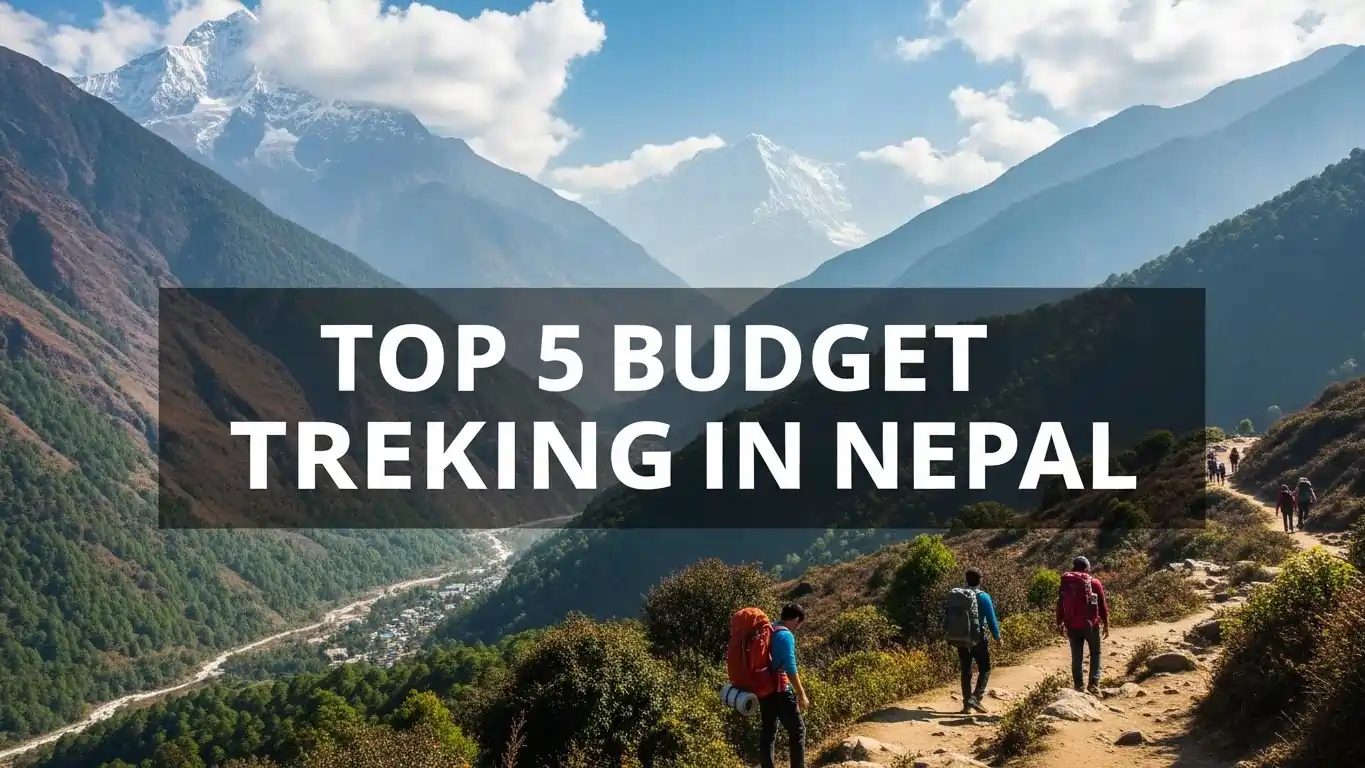
Do you want to experience Nepal’s majestic mountains without spending a fortune? Many travelers assume trekking in Nepal requires expensive guides, permits, and luxury lodges, but that’s not always the case. Budget trekkers often miss out because they don’t know how to plan cost-effective trips that still offer incredible scenery and cultural experiences.
In this blog, you’ll discover top 5 budget trekking in Nepal, what makes them affordable, and how to choose treks based on cost and experience. We’ll also explore tips for getting value for money while trekking, how trekking agencies can help, and answer common questions about budget-friendly adventures in Nepal. By the end, you’ll know how to plan a memorable trek without overspending.
What Is Budget Trekking in Nepal?
Budget trekking in Nepal is a way of exploring the Himalayan trails and cultural landscapes while keeping costs low without compromising the trekking experience. It typically involves staying in tea houses or basic lodges, using public transportation, carrying minimal gear, and planning independently or with affordable guides. What makes a trek low-cost includes shorter routes, local accommodation, self-managed meals, and minimal use of private transport. Budget trekking is suitable for travelers who are adventure-focused, flexible, and willing to embrace simplicity. These treks still offer stunning mountain views, cultural interactions, and a sense of achievement at a fraction of the cost of luxury expeditions. It’s an ideal option for students, backpackers, and solo travelers seeking authentic Himalayan experiences.
Why Nepal Is Ideal for Budget Trekking?
Nepal is ideal for budget trekking because it offers affordable accommodation, food, and transport, along with a wide variety of well-marked trails suitable for different experience levels. The combination of stunning scenery, cultural richness, and established trekking infrastructure makes it possible to explore the Himalayas without spending a fortune.
- Affordable tea houses and lodges along most trekking routes.
- Low-cost local meals like dal bhat and momo.
- Variety of treks ranging from easy to moderate difficulty.
- Short-duration treks that save on permits and lodging costs.
- Well-maintained trails and trekking routes for safe navigation.
- Availability of local guides and porters at reasonable rates.
- Opportunities to experience authentic Himalayan culture without luxury expenses.
Top 5 Budget Trekking Routes in Nepal
Nepal offers several trekking routes that are affordable, scenic, and accessible, making them ideal for travelers on a budget. These treks provide stunning Himalayan views, cultural experiences, and manageable logistics without requiring high-end gear or expensive guides. Choosing the right budget trek allows adventurers to experience the beauty of the Himalayas while keeping costs low and still enjoying authentic local interactions.
Ghorepani Poon Hill Trek
The Ghorepani Poon Hill Trek is one of Nepal’s most popular budget-friendly treks due to its short duration, easy accessibility, and spectacular viewpoints. Typically completed in 4–5 days, it is suitable for beginners or those with limited trekking experience. The trail passes through lush rhododendron forests, small Gurung villages, and terraced farmland, offering a blend of natural beauty and cultural exposure. The trek culminates at Poon Hill, where trekkers witness a breathtaking sunrise over the Annapurna and Dhaulagiri ranges, making it one of the most rewarding short treks in Nepal.
Budget-wise, the trek is very manageable. Tea house lodgings along the route provide basic accommodation and meals at reasonable prices, and permits are inexpensive. With minimal logistics and easy access from Pokhara, travelers can enjoy stunning Himalayan scenery without overspending. This combination of affordability, cultural immersion, and panoramic mountain views makes Ghorepani Poon Hill Trek an ideal choice for budget trekkers.
Langtang Valley Trek
The Langtang Valley Trek is located about 80 km north of Kathmandu, making it highly accessible via public bus or shared jeep, which helps keep transportation costs low. The trek typically spans 7-10 days, passing through the Langtang National Park, which is home to diverse flora, fauna, and dramatic mountain landscapes. Trekkers encounter Tibetan-influenced villages, glacial rivers, and alpine meadows, providing both cultural and natural highlights. The relatively low altitude changes make it suitable for moderate-level trekkers.
Budget considerations are another strong advantage. Affordable teahouses and lodges line the route, offering simple meals and lodging, and the park permits are cost-effective compared to other trekking regions. Despite its lower cost, the Langtang Valley Trek delivers stunning Himalayan panoramas, remote village experiences, and a peaceful trekking environment, making it an excellent choice for budget-conscious travelers seeking a longer trek.
Mardi Himal Trek
The Mardi Himal Trek is a shorter alternative to the Annapurna Base Camp trek, typically taking 5-7 days, which reduces both lodging and food costs. The trail starts from Siddhartha Highway near Pokhara and climbs through dense forests, past small villages, and across rhododendron and bamboo groves. The trek is considered moderate in difficulty, offering a mix of forest paths, ridgelines, and panoramic viewpoints. Trekkers enjoy close-up views of Machapuchare (Fishtail) and Annapurna South, making the trek visually rewarding despite its short duration.
Budget travelers benefit from tea house accommodations along the route, which provide basic meals and rooms at reasonable rates. The short duration and minimal logistics make Mardi Himal an attractive option for those who want spectacular mountain views without the time or cost commitments of longer treks. Its combination of affordability, accessibility, and scenic beauty ensures excellent value for money.
Helambu Trek
The Helambu Trek starts just 1-2 hours from Kathmandu, which makes transportation inexpensive and convenient. Known for its cultural richness, the trail passes through Sherpa and Tamang villages, monasteries, and traditional settlements. Trekkers experience terraced fields, pine forests, and waterfalls while interacting with local communities, gaining insight into daily Himalayan life. The trek usually takes 5-7 days, making it manageable for travelers with limited time.
Costs remain low because permits are minimal and lodging in local homestays or tea houses is inexpensive. Helambu offers a blend of natural beauty, moderate trekking challenge, and cultural immersion, providing budget trekkers with both affordability and a rich, authentic experience.
Tamang Heritage Trail
The Tamang Heritage Trail focuses on community-based tourism, supporting local Tamang villages while providing trekkers with affordable lodging and meals. The trail spans 5–7 days, moving through ancient settlements, monasteries, and heritage sites. Trekkers enjoy dense forests, terraced landscapes, and panoramic Himalayan views while experiencing the customs, cuisine, and traditions of the Tamang people.
Budget-friendly homestays along the trail offer comfortable, local accommodations at low costs, and the trek requires minimal permits and logistical arrangements. This route not only provides excellent value for money, but also allows trekkers to contribute to sustainable tourism and local livelihoods, making it a meaningful choice for budget-conscious travelers.
Which Is the Best Budget Trekking in Nepal?
The Ghorepani Poon Hill Trek is the best budget trekking in Nepal because it offers stunning panoramic views of the Annapurna and Dhaulagiri ranges, easy-to-moderate trails suitable for beginners, and affordable accommodation and meals along the route. Its short duration, minimal logistics, and cultural immersion in Gurung villages make it ideal for travelers seeking maximum value without overspending. The combination of scenic beauty, accessibility from Pokhara, and cost-effectiveness ensures that trekkers get a fulfilling Himalayan experience while staying within a limited budget.
How to Choose Trekking in Nepal According to Your Budget?
To choose trekking in Nepal according to your budget, consider all aspects of cost including transportation, permits, guides, accommodation, and daily expenses. Budget-friendly treks often have shorter durations, easier access from major cities, and inexpensive lodging options. Evaluating these factors helps you plan a trekking experience that balances scenic value, cultural exposure, and affordability without compromising safety or enjoyment.
Transportation Costs
Transportation costs can significantly affect your trekking budget. Treks closer to major cities like Pokhara or Kathmandu reduce travel expenses, while remote trailheads may require longer, costlier bus rides or domestic flights. Using public buses or shared jeeps is a cheaper alternative to private transport, and careful planning of airport transfers or pick-ups can help avoid unnecessary spending. Accessibility of the trailhead is an important factor to consider when estimating total transport costs.
Permit and Guide Requirements
Permits are mandatory for most trekking routes and vary by region, including national park fees and TIMS cards (Trekkers’ Information Management System). Hiring experienced local guides or porters ensures safety and eases navigation, but adds to the budget. Traveling in a group can reduce per-person guide or porter costs while still providing support. Planning ahead for these requirements allows trekkers to manage costs effectively without compromising safety.
Daily Food and Accommodation Expenses
Daily expenses for food and lodging form a major portion of the trekking budget. Tea houses, lodges, and homestays offer meals and accommodation at reasonable rates, with homestays providing affordable options while supporting local communities. Budgeting for three meals a day, plus snacks and hot drinks, helps prevent overspending on the trail. Trekking in the off-season may also reduce costs and allow for discounted lodging, making it easier to enjoy the trek without exceeding your budget.
How Much Does Budget Trekking in Nepal Cost?
Budget trekking in Nepal costs around $25–$50 per day per person, depending on the trek, accommodation type, food preferences, and additional services like guides or porters. Shorter and easily accessible treks generally fall at the lower end of this range, while longer or more remote routes may increase daily expenses slightly. Careful planning helps travelers stay within budget while enjoying a fulfilling Himalayan experience.
Daily Average Trekking Cost
The daily average cost for budget trekking in Nepal typically includes accommodation, meals, tea or coffee, and minor personal expenses. Most tea houses charge $5–$10 per night for lodging and $5–$10 per day for meals, making daily living relatively affordable. Trekking routes near major hubs like Pokhara or Kathmandu often reduce transportation and miscellaneous costs, keeping the total daily budget manageable for most travelers.
Hidden Costs to Be Aware Of
Some hidden costs can impact the overall trekking budget. Permits, TIMS cards, guide or porter fees, equipment rentals, and tips may add to expenses if not planned in advance. Additionally, hot showers, battery charging, or occasional snacks along the trail can increase daily costs unexpectedly. Factoring in these minor expenses ensures no surprises during the trek.
Seasonal Price Differences
Costs vary depending on the trekking season. The peak season (spring and autumn) may have slightly higher accommodation and food prices due to increased demand. Conversely, the off-season (monsoon and winter) can offer discounts, lower teahouse rates, and fewer crowds, but some trails may be less accessible. Choosing the right season helps balance budget with trekking experience.
How to Get the Best Value for Money While Trekking in Nepal?
To get the best value for money while trekking in Nepal, plan carefully by selecting the right season, choosing cost-effective accommodation options, and deciding between group or solo trekking. Budget-friendly strategies allow travelers to enjoy stunning scenery and cultural experiences without overspending, while still maintaining safety and comfort. Making informed decisions at each stage ensures maximum return on investment for your trekking adventure.
Choosing the Right Season
Trekking during off-peak or shoulder seasons can significantly reduce costs. Accommodation, meals, and even guide services may be cheaper compared to the high-demand spring and autumn months. While weather conditions might be slightly less favorable, careful planning can still offer enjoyable trekking experiences at a lower price point, providing excellent value for money.
Teahouse Trekking vs Camping
Teahouse trekking is more budget-friendly than camping because it eliminates the need for carrying tents, cooking equipment, and extra supplies. Meals and lodging are included at affordable rates along popular routes, allowing trekkers to travel lighter. Camping provides more flexibility but often comes with additional logistical costs, making teahouse trekking the ideal choice for value-conscious travelers.
Group Trekking vs Solo Trekking
Group trekking can reduce per-person costs for guides, porters, and transportation, making it more economical than solo trekking. Sharing expenses with fellow trekkers helps lower daily costs for accommodation and meals. Solo trekking offers independence but may require higher spending on logistics and support services, which can reduce overall value for money.
How Trekking Agencies Help Reduce Trekking Costs?
Trekking agencies like Marvel Treks help reduce trekking costs by providing expert guidance, optimized routes, and efficient logistics management, ensuring trekkers spend less time and money on planning. They offer group discounts, reliable accommodations, and local connections, which help travelers access better deals. Agencies also ensure safety, permit management, and transparent pricing, preventing unexpected expenses and maximizing value for money during the trek.
Local Expertise and Route Planning
Trekking agencies have in-depth knowledge of trails, local accommodations, and seasonal conditions, allowing trekkers to choose cost-effective and safe routes. They can recommend shortcuts, efficient itineraries, and affordable teahouses, helping reduce unnecessary spending on transport or lodging. Local expertise also ensures that trekkers avoid costly mistakes and delays, saving both time and money.
Group Discounts and Logistics Handling
Agencies often organize group treks, which lowers per-person costs for guides, porters, transportation, and accommodation. They manage all logistics, including food, equipment rentals, and camping arrangements, which prevents individual trekkers from overspending. Bulk arrangements and established vendor relationships allow agencies to negotiate better rates, making trekking more affordable for participants.
Cost Transparency and Safety Support
Professional trekking agencies provide clear breakdowns of all costs, ensuring trekkers know exactly what they are paying for and avoiding hidden fees. They also offer safety support, emergency response, and proper permits, which reduce potential financial risks from accidents or delays. Transparency and reliability give trekkers confidence while maintaining a budget-friendly experience.
Budget Trekking vs Luxury Trekking in Nepal
| Aspect | Budget Trekking | Luxury Trekking |
| Daily Cost | $25–$50 per day including tea house lodging and meals | $100–$300+ per day including premium lodges, private tents, and gourmet meals |
| Accommodation | Basic teahouses, community lodges, or homestays | 3–5 star lodges, luxury tea houses, or private tents with amenities |
| Meals | Simple Nepali or continental meals, often shared dining | Gourmet or international cuisine, personalized meal plans |
| Guide/Porter Support | Optional; shared group guides and porters are cost-effective | Dedicated guides and porters for personalized support and service |
| Trekking Route | Popular short or moderate treks with accessible trails | Remote or off-the-beaten-path routes with full service logistics |
| Experience | Adventure-focused, authentic local culture, and scenic value | Comfort-focused, stress-free logistics, and luxury amenities |
| Flexibility | Moderate flexibility; depends on group or lodge availability | High flexibility with customized itineraries and private arrangements |
| Best For | Budget-conscious travelers seeking adventure, cultural immersion, and scenic trekking | Travelers seeking comfort, convenience, and a premium trekking experience |
| Value for Money | High for those prioritizing experience over luxury | High for those prioritizing comfort, convenience, and personalized service |
Best Time for Budget Trekking in Nepal
The best time for budget trekking in Nepal is when you can balance cost savings with favorable weather conditions. Trekking during off-peak months allows travelers to secure lower accommodation and transport prices while avoiding crowds. Careful planning ensures a safe and enjoyable experience without overspending, making your trek both affordable and rewarding.
Cheapest Trekking Seasons
The monsoon season (June–August) and winter months (December–February) usually offer the lowest prices for tea houses, permits, and guide services. Accommodation and food costs drop significantly compared to the spring (March–May) and autumn (September–November) peak seasons. Trekking during these times provides excellent value for money for budget-conscious travelers, though some trails may be less accessible due to weather.
Weather vs Cost Balance
While off-peak months are cheaper, weather conditions can be less predictable. Monsoon treks involve heavy rain, muddy trails, and leeches, whereas winter brings cold temperatures and snow-covered paths. Balancing cost with safety is key, and trekkers should choose trails that remain accessible and safe during these seasons to avoid additional expenses caused by delays or reroutes.
Off-Season Pros and Cons
Pros of off-season trekking include lower prices, fewer crowds, and a more authentic local experience. Cons include riskier weather conditions, some teahouses or lodges being closed, and limited transport options. Understanding these trade-offs helps trekkers plan better, budget wisely, and still enjoy a memorable trekking experience in Nepal.
Conclusion
Nepal offers a wide range of affordable trekking options that allow travelers to experience the country’s stunning landscapes, rich culture, and Himalayan adventure without spending excessively. From popular routes like Ghorepani Poon Hill and Langtang Valley to less crowded trails such as Helambu and Tamang Heritage Trail, budget trekkers can find trails that fit both their time and finances. Careful planning, choosing the right season, and leveraging local expertise ensure an enjoyable trek without cutting corners on safety or experience.
For cost-conscious travelers, Nepal provides unmatched value for money due to its affordable accommodation, food, transportation, and guided services. Trekking agencies can further reduce costs while enhancing safety and convenience, making even remote treks accessible. By prioritizing budget management, route selection, and smart planning, trekkers can enjoy the Himalayas fully, making Nepal the ideal destination for affordable yet unforgettable adventures.
Related Blog: https://marveltreks.com/top-5-expedition-in-nepal/
What is budget trekking in Nepal?
Budget trekking in Nepal refers to trekking with minimal expenses while still experiencing Himalayan scenery, local culture, and basic accommodations. It usually involves teahouse stays, local food, and shared guide or porter services.
Which are the top budget trekking routes in Nepal?
Popular budget trekking routes include Ghorepani Poon Hill, Langtang Valley, Mardi Himal, Helambu, and Tamang Heritage Trail. These trails offer scenic views, cultural experiences, and affordable logistics.
How much does budget trekking in Nepal cost?
Daily costs typically range from $25–$50 per day, covering accommodation, meals, and basic guide services. Hidden costs like permits or transport can slightly increase the total.
When is the best time for budget trekking in Nepal?
The shoulder seasons (spring and autumn) provide good weather at moderate prices, while off-peak months (monsoon and winter) are cheaper but weather can be unpredictable.
Can I do budget trekking solo or should I join a group?
Both are possible, but group trekking reduces per-person costs for guides, porters, and accommodations. Solo trekking offers flexibility but can be slightly more expensive.
How can I get value for money while trekking in Nepal?
Choose the right season, teahouse stays, group treks, and reliable trekking agencies. Planning logistics in advance helps avoid overspending and ensures a safe trek.
Do I need a trekking agency for budget trekking?
A trekking agency helps reduce costs by providing guides, handling logistics, permits, and offering group discounts while ensuring safety.
Which is the best budget trek in Nepal?
Ghorepani Poon Hill Trek is often considered the best budget trek because it combines stunning sunrise views, cultural experiences, and low overall costs.

Ready for your next Himalayan adventure?
Plan Your Next Big Adventure with Us
Explore Our AdventuresJoin our expert-guided journeys across Nepal and beyond, from classic trails to epic summits.