
Where is K2 Mountain? Everything You Need To Know
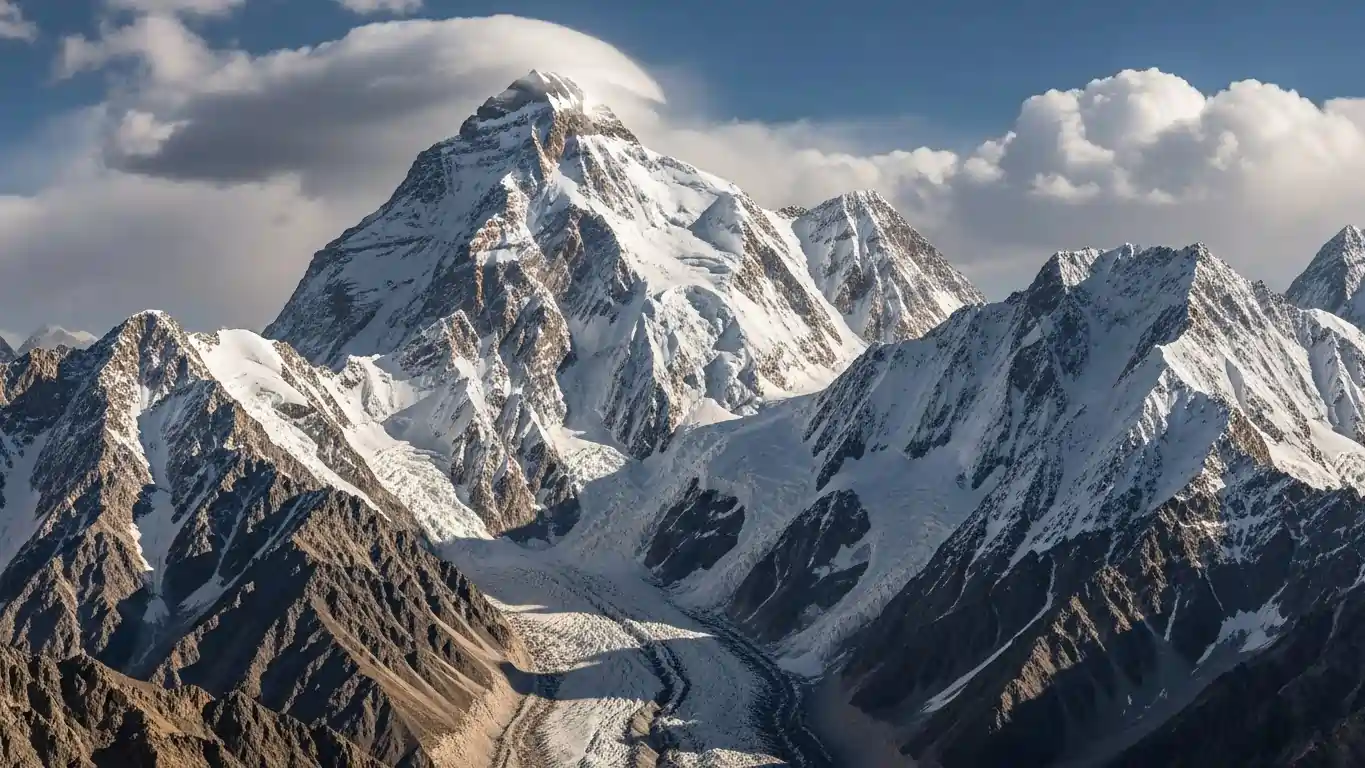
Do you wonder why K2, the world’s second highest peak, is considered one of the toughest mountains to climb? Many trekkers and climbers underestimate its steep slopes, unpredictable weather, and technical difficulty, which can turn an ambitious expedition into a life-threatening challenge. Even experienced mountaineers approach K2 with extreme caution due to its high fatality rate and challenging terrain.
In this blog, you will learn where is K2 Mountain located, its height, climbing history, geological significance, and why it remains a symbol of extreme mountaineering. We will also cover key facts, cultural importance, and what makes K2 so dangerous yet fascinating for adventurers worldwide. By the end, you’ll have a complete understanding of K2’s allure and challenges.
K2 Mountain Overview
K2 Mountain is the world’s second highest peak, reaching 8,611 meters (28,251 feet) in the Karakoram range along the Pakistan-China border. It is renowned for its steep, icy slopes, challenging technical climbs, and remote location, which make it a formidable challenge for mountaineers. Unlike Everest, K2 offers fewer accessible routes and minimal infrastructure, demanding higher skill, preparation, and endurance from climbers. Its dramatic rise from the surrounding valleys and glaciers adds to the mountain’s imposing and breathtaking presence.
K2 is widely regarded as the most dangerous 8,000-meter peak due to extreme weather, avalanches, and technical difficulty. Sudden storms, rockfalls, and severe cold increase the risk of climbing, contributing to one of the highest fatality rates among the world’s tallest mountains. The mountain has several names: Mount Godwin-Austen, named after the British surveyor who first measured it, and Chhogori, meaning “King of Mountains” in the local Balti language. These names reflect both its historical significance in mountaineering and its cultural reverence in the region, making K2 climbing a naturally challenging and iconic endeavor.
Where Is Mount K2 Located?
Mount K2 is located on the border between Pakistan and China, in the Karakoram mountain range. Most of the mountain lies in Pakistan’s Gilgit-Baltistan region, while its northern slopes extend into China’s Xinjiang region. The border location gives K2 strategic and geographical significance. It sits in one of the most remote and rugged mountain areas in the world, far from major urban centers. Access for expeditions is primarily through Pakistan, with the Baltoro Glacier serving as the main approach route.
Geographical Location of K2 Mountain
K2 is part of the Karakoram range, which stretches across northern Pakistan, India, and China. This range contains many of the world’s highest peaks outside the Himalayas and is known for steep, glaciated terrain. The mountain lies within Gilgit-Baltistan, a mountainous region with deep valleys, high passes, and sparse settlements. The Baltoro Glacier, one of the largest glaciers outside the polar regions, runs close to K2 and serves as the main trekking and climbing route. Nearby landmarks include Gasherbrum peaks, Broad Peak, and Concordia, a famous trekking junction in the Karakoram.
K2 Mountain in Relation to Surrounding Regions
K2 is approximately 200 kilometers from Skardu, the nearest major city in Pakistan, and over 400 kilometers from Islamabad, the country’s capital. It is part of the same mountain system as other major Karakoram peaks like Broad Peak and Gasherbrum I and II, making the region a hub for high-altitude mountaineering. Compared to the Himalayas, the Karakoram range lies further north and west, with K2 situated farther from densely populated valleys and providing a more rugged and remote environment than many Himalayan peaks.
Planning Your Next Himalayan Expedition?
Get expert guidance on trekking routes, peak climbing, permits, and expedition logistics. Start your adventure in Nepal and beyond with our experienced mountain team today!
The Second Highest Mountain Peak in the World
K2 stands at an official height of 8,611 meters (28,251 feet), making it the second tallest mountain in the world after Mount Everest. Its immense elevation places it among the 14 peaks above 8,000 meters, often called the “eight-thousanders,” attracting elite mountaineers globally.
How Tall Is K2 Mountain?
K2’s official height of 8,611 meters (28,251 feet) ranks it second among all mountain peaks worldwide. While Everest reaches 8,848 meters, K2’s extreme slope, steep faces, and technical climbing requirements make it a far more challenging ascent. Its elevation creates harsh weather, low oxygen levels, and a thin atmosphere that tests even the most experienced climbers. K2’s vertical relief from surrounding valleys is also steeper than Everest, adding to the climbing difficulty. Its height and location contribute to high wind speeds, heavy snowfall, and the constant risk of avalanches.
How Is K2’s Height Measured?
Early measurements of K2 used trigonometric survey methods conducted by British surveyors in the 19th century. Modern measurements rely on GPS and satellite technology, which provide precise calculations of the summit’s elevation. Height measurements consider snow and ice cover, which can vary with seasons and long-term climate changes. These updates confirm K2’s official height at 8,611 meters and help mountaineers plan for altitude challenges.
Comparing K2 With Other High Peaks
K2 vs Mount Everest: Everest is taller and more frequented, but its climbing routes are less technically demanding. K2 requires advanced mountaineering skills, including ice climbing and steep rock navigation, which increases risk and difficulty.
K2 vs Kangchenjunga and Lhotse: K2 surpasses Kangchenjunga (8,586 m) and Lhotse (8,516 m) in elevation, yet its steeper slopes and severe weather make it more dangerous. Avalanches, rockfalls, and limited support infrastructure on K2 elevate the risk compared to other 8,000-meter peaks, affecting K2 climbing duration for expeditions.
Geological Story of K2
K2 is part of the Karakoram range, formed during the collision of the Indian and Eurasian tectonic plates. This tectonic activity caused massive uplift, creating some of the world’s tallest peaks, including K2, Broad Peak, and Gasherbrum. Continuous plate movement still shapes the region, resulting in rugged ridges, deep glaciers, and jagged peaks. Glacial erosion and extreme weather contribute to steep, unstable slopes, making climbing technically difficult. The geology of K2 explains its steep faces, vertical relief, and high avalanche risk, emphasizing the mountain’s extreme natural challenges.
Why K2 Is Globally Significant?
K2 is significant globally because it represents one of the most challenging and extreme environments on Earth. Its unique geological features, steep slopes, and harsh weather conditions attract scientific study and elite mountaineers alike. The mountain provides critical insights into glacial movement, climate change, and high-altitude ecology. K2’s climbing history and high fatality rate make it a symbol of human endurance and risk. Its cultural and mountaineering prominence highlights the intersection of natural wonder, adventure, and scientific value.
Scientific and Geographical Importance
K2 lies within the Karakoram range, one of the most geologically complex and active regions in the world. The area showcases dramatic tectonic activity, creating steep peaks, deep valleys, and extensive glacial systems. Scientists study K2 and surrounding glaciers to understand climate change, glacier retreat, and snowpack dynamics at high altitudes. Its remote location and extreme conditions also provide unique data for meteorology and environmental research. The mountain’s geography contributes to regional hydrology, feeding major rivers that sustain ecosystems and communities downstream.
K2 and the History of Mountaineering
K2’s first successful ascent occurred in 1954 by an Italian expedition led by Ardito Desio, with climbers Lino Lacedelli and Achille Compagnoni reaching the summit. The mountain is famously called the “Savage Mountain” due to its steep, technical routes and extreme weather, which make climbing far riskier than many other peaks. Numerous failed expeditions and high fatality rates have contributed to its fearsome reputation. Despite its dangers, K2 has become a milestone for elite mountaineers seeking a peak that tests skill, endurance, and courage.
K2 as a Symbol of Extreme Alpinism
K2 is considered more technically challenging than Everest due to its steeper slopes, unpredictable weather, and high-altitude difficulties. The fatality rate on K2 is significantly higher than Everest, with roughly one in four climbers on early expeditions not surviving. Its demanding routes require advanced ice and rock climbing skills, careful acclimatization, and meticulous planning. As a result, K2 symbolizes the pinnacle of extreme alpinism, representing the ultimate test of skill, preparation, and human resilience in mountaineering.
K2 Mountain Beyond Geography
K2 holds significance beyond its physical height and climbing challenge, deeply influencing local culture, national identity, and global adventure narratives. It is not only a mountaineering icon but also a symbol of resilience, respect for nature, and human ambition. Its presence shapes local traditions and contributes to Pakistan’s reputation in the global mountaineering community.
Cultural Importance of K2
K2 is central to the Balti culture, which surrounds the Karakoram region. Locals regard the mountain with reverence, often calling it Chhogori, meaning “King of Mountains,” reflecting spiritual and cultural respect. For Pakistan, K2 represents a national mountaineering landmark and source of pride, inspiring local guides, climbers, and tourism. Festivals, folklore, and storytelling around the mountain reinforce its cultural prominence and connection to regional identity.
K2 in Media and Literature
K2 has captured the imagination of writers, filmmakers, and adventurers, becoming a subject of numerous books, documentaries, and media stories. Its extreme challenge and history of daring expeditions make it a compelling symbol of human courage.
K2 in Books and Mountaineering Accounts
Numerous climbing journals and biographies detail first ascents, failed attempts, and extreme weather encounters. Books like K2: The Savage Mountain provide insight into the mountain’s technical challenges and human drama.
K2 in Films and Documentaries
Documentaries highlight expeditions, rescue operations, and mountaineers’ experiences, bringing global attention to K2’s dangers and beauty. Films often dramatize the peril and triumph associated with climbing its steep faces.
Legendary Climbers and Expeditions on K2
Notable climbers like Reinhold Messner, Wanda Rutkiewicz, and the first ascent team of 1954 achieved historical feats on K2. These expeditions contributed to mountaineering knowledge, inspired generations, and cemented K2’s status as the ultimate test for high-altitude climbers.
Interesting Facts About K2 Mountain
K2 is full of remarkable features that make it unique among the world’s highest peaks. Its extreme height, technical difficulty, and remote location create a mountain that challenges even the most skilled climbers while offering breathtaking natural beauty.
K2 Mountain Facts You Should Know
K2 is infamous for its severe weather, steep faces, and high fatality rate. Unlike Everest, K2’s routes are extremely technical, requiring climbers to navigate rock, ice, and mixed terrain with little margin for error. The mountain has fewer established camps, limited rescue possibilities, and unpredictable weather windows, which make expeditions particularly dangerous. Its remote location in the Karakoram range adds logistical challenges, from long approaches over glaciers to limited access to supplies. Despite these difficulties, K2 attracts elite climbers who seek one of the ultimate high-altitude challenges.
K2’s Extreme Weather Conditions
Weather on K2 can change rapidly, with blizzards, heavy snowfall, and extreme wind gusts occurring with little warning. Temperatures often drop below -40°C near the summit, and high winds can exceed 100 km/h, increasing the risk of frostbite and falls. Storms can trap climbers at high camps, making rescue operations difficult or impossible. Seasonal climbing windows are very short, typically in July and August, which limits safe summit attempts. Understanding and preparing for these conditions is critical for survival and successful ascents.
Glaciers Around K2
K2 is surrounded by massive glaciers, including the Baltoro, Godwin-Austen, and Abruzzi Glaciers, which shape the terrain and provide access routes. The Baltoro Glacier serves as the main trekking approach to K2 Base Camp, stretching over 60 kilometers with crevasses, icefalls, and moraine fields. Glaciers also feed surrounding rivers and influence local ecosystems. Climbers must navigate these glaciers carefully, as hidden crevasses and shifting ice can pose serious hazards. The interplay of glaciers and steep mountain slopes increases the technical demands of climbing K2.
Why K2 Is Harder Than Everest?
K2 is widely considered more challenging than Everest due to its steep, icy, and mixed climbing routes. While Everest has fixed ropes, established camps, and higher traffic, K2 offers fewer support systems and more technical climbing sections. Avalanches, rockfalls, and sudden storms are more common, increasing the risk for climbers. Its high fatality rate, roughly one in four for early expeditions, reflects the difficulty and danger. The combination of steep gradients, extreme weather, and remote location makes K2 the ultimate test of mountaineering skill and endurance.
Conclusion
K2 Mountain is located on the border between Pakistan and China, in the heart of the Karakoram range, with most of its mass in Pakistan’s Gilgit-Baltistan region. Its remote location, towering elevation, and surrounding glaciers make it one of the most formidable peaks on Earth, challenging even the most experienced climbers.
K2 holds a unique place in world mountaineering due to its extreme technical difficulty, unpredictable weather, and high fatality rate, earning the nickname “Savage Mountain.” Beyond climbing, it carries cultural significance for local communities and serves as a critical site for geological and climate research.
For readers and adventure enthusiasts, K2 represents the pinnacle of high-altitude mountaineering, a symbol of human courage, and the enduring allure of Earth’s most extreme landscapes. Respect, preparation, and skill are essential for anyone who seeks to experience this iconic mountain, making it vital to partner with the best expedition and trekking company to safely navigate the margin-for-error thin lines of the Karakoram.
Where is K2 Mountain located?
K2 is on the border of Pakistan and China, mostly in Pakistan’s Gilgit-Baltistan region. It lies within the Karakoram mountain range, one of the most remote and rugged areas in the world.
How tall is K2?
K2 stands at 8,611 meters (28,251 feet), making it the second highest mountain on Earth after Mount Everest. Its steep slopes and technical difficulty make it more dangerous than many taller peaks.
Why is K2 called the Savage Mountain?
The name reflects its extreme climbing difficulty and unpredictable weather. Avalanches, steep slopes, and high fatality rates contribute to this reputation.
What is the first ascent history of K2?
K2 was first successfully climbed in 1954 by Italian climbers Lino Lacedelli and Achille Compagnoni. Prior expeditions had failed due to technical challenges and harsh weather conditions.
How dangerous is K2 compared to Everest?
K2 has a higher fatality rate, especially during early expeditions, and is technically more challenging. Its steep slopes, avalanches, and limited rescue options make it far riskier than Everest.
What are the other names of K2?
K2 is also called Mount Godwin-Austen, named after the British surveyor, and Chhogori, meaning “King of Mountains” in the local Balti language. These names reflect its mountaineering and cultural significance.
What makes K2 scientifically important?
K2 and the surrounding Karakoram glaciers are studied for climate change, glacial retreat, and high-altitude ecology. Its geology provides insights into tectonic plate activity and mountain formation.
Who are some legendary climbers associated with K2?
Notable climbers include Reinhold Messner, Wanda Rutkiewicz, and the 1954 Italian first ascent team. Their expeditions contributed to mountaineering knowledge and inspired generations of climbers.

Ready for your next Himalayan adventure?
Plan Your Next Big Adventure with Us
Explore Our AdventuresJoin our expert-guided journeys across Nepal and beyond, from classic trails to epic summits.