
Mount Everest Death Zone: Why Survival Becomes Difficult
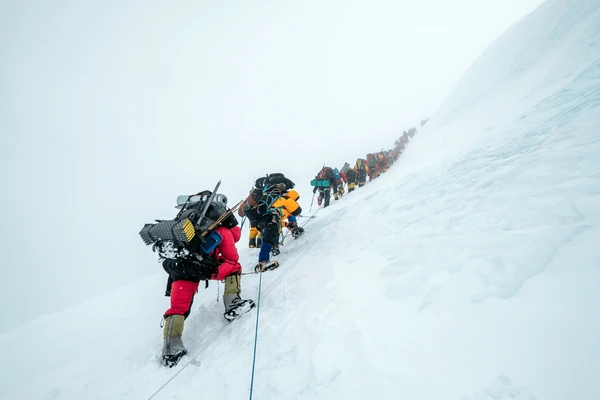
Do you wonder why even the most experienced climbers sometimes fail to return from Everest? Many underestimate the extreme challenges above 8,000 meters, where oxygen levels drop dangerously low and the body cannot recover. Fatigue, hypoxia, and sudden weather shifts turn even familiar routes into life-threatening terrain. Climbers face not only physical strain but also cognitive decline, which makes decision-making in critical moments nearly impossible.
In this blog, we’ll explore the Mount Everest Death Zone in detail. You will learn what defines the death zone, the scientific reasons it is so dangerous, how it affects the human body, and the limits on survival time. We’ll also cover comparisons with the Khumbu Icefall, famous incidents, practical safety tips, and why many bodies remain unrecovered at extreme altitudes, including whether is Everest expedition dangerous. By the end, you’ll have a clear understanding of the death zone and how climbers can reduce risk while navigating it.
What Is the Mount Everest Death Zone?
Mount Everest Death Zone is the area above 8,000 meters where the human body cannot acclimatize and survival becomes extremely limited. Oxygen levels at this altitude drop to about one-third of what is available at sea level, making normal bodily functions difficult. Climbers experience rapid fatigue, mental confusion, and physical deterioration, which significantly increases the risk of fatal accidents. In this region, many climbers also pass through the area known as Rainbow Valley Everest, which is associated with extreme altitude conditions and past expedition challenges.
The term “Death Zone” was coined by mountaineers to describe this lethal altitude, emphasizing that even experienced climbers face extreme physiological limits. Permanent survival is impossible because the body cannot repair tissue, maintain energy, or sustain brain and organ function for extended periods. Time spent above 8,000 meters must be minimized, and careful planning is essential to reduce the risk of death, even for climbers passing through Everest Advanced Base Camp.
Key Facts About the Everest Death Zone
- The death zone begins at 8,000 meters (26,247 feet) and extends to the summit at 8,848 meters.
- Oxygen levels are only about 30–35% of those at sea level, causing severe hypoxia.
- Average temperatures can drop below -30°C (-22°F), with strong wind chills increasing frostbite risk.
- Climbers spend limited time in the death zone, usually a few hours during summit pushes.
- Use of supplemental oxygen is common to maintain physical and mental function.
- Even short exposure leads to muscle breakdown, cognitive decline, and energy depletion.
- The area is highly unforgiving, and any delays can turn minor issues into life-threatening emergencies.
What Makes the Death Zone So Dangerous?
Extremely low oxygen levels make the Everest Death Zone so dangerous. The body cannot get enough oxygen for basic functions, leading to rapid fatigue, mental confusion, and physical deterioration. Even short exposure can cause life-threatening effects, and climbers’ decision-making and coordination decline sharply, underscoring the importance of understanding how to climb Everest.
- Hypoxia: Reduced oxygen pressure limits oxygen diffusion into the blood, impairing brain and organ function.
- Energy depletion: Muscles burn available energy faster than it can be restored, causing weakness.
- Cognitive impairment: Poor judgment, slower reactions, and confusion increase accident risk.
- Physical deterioration: Rapid muscle breakdown and decreased stamina make movement difficult.
- Time sensitivity: Extended exposure dramatically raises fatality risk due to compounding physiological stress.
- Supplemental oxygen reliance: Without it, survival time above 8,000 m is extremely limited.
Effects of the Death Zone on the Human Body
The Everest Death Zone severely affects all major body systems due to extreme altitude and low oxygen. Climbers experience rapid physical deterioration, impaired cognitive function, and increased susceptibility to altitude illnesses. Even well-acclimatized individuals face fatigue, reduced coordination, and heart and lung strain. Prolonged exposure can quickly become life-threatening, making careful planning and support essential.
Impact on Brain Function and Decision-Making
Hypoxia in the death zone drastically reduces oxygen supply to the brain, impairing cognitive processes such as judgment, attention, and memory. Climbers often experience confusion, disorientation, and slowed reaction times, which can lead to poor route choices or missed safety cues. Decision-making under extreme fatigue becomes unreliable, increasing the risk of accidents or pushing beyond safe limits. Even simple tasks like checking equipment or pacing can become dangerously difficult. Mental errors are compounded by stress, cold, and exhaustion, creating a high-risk environment where small mistakes can be fatal.
Strain on Heart and Lungs
At extreme altitudes, the heart must pump faster to circulate oxygen-depleted blood, placing tremendous strain on the cardiovascular system. Breathing becomes rapid and shallow, but oxygen delivery to tissues remains inadequate, increasing the risk of arrhythmias or cardiac events. Climbers may experience shortness of breath, chest tightness, and elevated heart rates even at rest. The lungs are also stressed as fluid retention or mild edema can occur, making gas exchange less efficient. Prolonged exposure further weakens the body, reducing the ability to respond to emergencies.
Risk of HAPE and HACE
High-altitude pulmonary edema (HAPE) occurs when fluid accumulates in the lungs, causing severe breathing difficulties, coughing, and reduced oxygenation. High-altitude cerebral edema (HACE) results from fluid buildup in the brain, leading to severe headaches, confusion, loss of coordination, and hallucinations. Both conditions can escalate rapidly and become fatal if immediate descent is not undertaken. Even experienced climbers using supplemental oxygen remain at risk, as symptoms may develop suddenly, leaving little time for intervention, making it important to understand HAPE Vs HACE.
Physical Exhaustion and Loss of Coordination
Extreme altitude accelerates energy depletion, causing rapid fatigue and weakening muscles, even with adequate nutrition. Climbers often lose fine motor control and gross coordination, making climbing on ice, ladders, or steep ridges highly hazardous. Exhaustion increases the likelihood of slips, missteps, and falls, which can be fatal in exposed terrain. The combination of physical fatigue and hypoxia also diminishes reaction speed, balance, and stamina, creating a dangerous cycle where impaired movement increases stress and risk. Proper pacing and rest are critical, but prolonged exposure still poses life-threatening challenges.
Your Everest Adventure Starts with the Right Team
Plan your expedition with expert guidance from Marvel Treks or explore detailed information about the Mount Everest Expedition.
How Long Can You Stay in the Death Zone?
You can stay in the Everest Death Zone for only a few hours at a time without supplemental oxygen before the risk of severe hypoxia, organ failure, and death rises sharply. Even with oxygen, climbers are limited to short summit pushes of a few hours due to extreme physical and mental strain. Prolonged exposure leads to rapid fatigue, cognitive impairment, and increased likelihood of accidents. Efficient ascent and descent planning is critical to minimize time spent above 8,000 meters. Survival depends on careful timing, acclimatization, and strict adherence to safety protocols.
Short-Term Exposure Limits Without Oxygen
Without supplemental oxygen, the body struggles to maintain normal function above 8,000 meters. Most climbers can survive only 1–3 hours at this altitude before hypoxia severely impairs cognition and coordination. Vital organs begin to function inefficiently, and extended exposure becomes fatal. Even experienced climbers are highly vulnerable without supplemental oxygen in the death zone.
Time Tolerance With Supplemental Oxygen
Using bottled oxygen extends safe exposure, allowing climbers to spend 3–6 hours in the death zone for summit attempts. Oxygen improves endurance, decision-making, and reduces risk of altitude illnesses. However, overreliance or mismanagement of oxygen supplies can still result in dangerous situations. Proper flow rates, backup bottles, and monitoring are critical to maintaining safety.
Why Prolonged Stays Increase Fatal Risk?
Extended time above 8,000 meters compounds hypoxia, fatigue, and dehydration. Muscle breakdown accelerates, cognitive function declines further, and the likelihood of accidents rises. Even minor delays or equipment issues can become deadly in prolonged exposure. Survival chances drop dramatically the longer climbers remain in the death zone.
Importance of Rapid Ascent and Descent
Minimizing time in the death zone is essential for survival. Efficient climbing schedules, early summit pushes, and fast, safe descents reduce exposure to low oxygen, cold, and fatigue. Teams must monitor pace, rest periods, and weather to ensure climbers return below 8,000 meters promptly. Rapid ascent combined with controlled descent is the most effective strategy to limit fatal risk.
Death Zone vs Khumbu Icefall: Which Is More Dangerous?
Both the Everest Death Zone and the Khumbu Icefall are extremely dangerous, but for different reasons. The Death Zone threatens climbers with physiological collapse due to low oxygen, while the Icefall presents objective hazards like moving ice, crevasses, and serac falls. Fatalities can occur in both areas, and risk management strategies differ accordingly. Understanding the unique dangers of each section is essential for a safe ascent and descent.
Objective Hazards in the Khumbu Icefall
The Khumbu Icefall is a constantly shifting glacier with large seracs, deep crevasses, and unstable ice towers. Ladders and fixed ropes allow passage, but collapse or slipping is common. Avalanches and falling ice present sudden, often unavoidable dangers. Climbers are exposed to these hazards primarily during early morning crossings, when ice movement is slightly reduced. Even short delays can significantly increase the likelihood of accidents.
Physiological Risks in the Death Zone
Above 8,000 meters, the body cannot acclimatize, and oxygen levels are critically low. Hypoxia, rapid fatigue, cognitive impairment, and altitude illnesses like HAPE and HACE dominate the danger profile. Physical and mental deterioration can lead to poor decision-making, increasing the risk of falls or inability to descend safely. Unlike the Icefall, risks here are internal and cumulative rather than sudden environmental hazards.
Comparison of Fatality Patterns
Deaths in the Khumbu Icefall are usually instantaneous, caused by avalanches, falls, or ice collapse. In the Death Zone, fatalities are more often gradual, resulting from exhaustion, hypoxia, or altitude illness. Both areas have high mortality rates, but the mechanisms differ: one is primarily environmental, the other physiological. Historical data show a significant number of climbers have died in each section, emphasizing the need for caution in both.
Why Risks Differ but Remain Equally Serious?
The Icefall is more technical and unpredictable, requiring precise movement and timing, while the Death Zone challenges the body’s survival limits over time. Both demand preparation, experience, and vigilance. Ignoring hazards in either area can be fatal, and success depends on mitigating both environmental and physiological threats effectively. Proper planning, guide support, and conservative decision-making are essential in navigating both safely.
The 2 PM Rule in the Death Zone
The 2 PM rule in the Everest Death Zone dictates that climbers must turn back from the summit by 2 PM to ensure enough time for a safe descent. This rule helps prevent exhaustion, hypoxia, and exposure to sudden weather changes that become life-threatening above 8,000 meters. Adhering to this cutoff improves survival chances, even if it means not reaching the summit.
Meaning and Purpose of the Rule
The 2 PM rule was established to reduce time spent in the death zone during summit attempts. It provides a fixed turnaround point, helping climbers avoid descending in darkness or adverse conditions. The rule emphasizes safety over ambition, prioritizing survival rather than summit completion.
Relationship Between Time, Oxygen, and Descent Safety
Time in the death zone is critical because oxygen depletion and physical fatigue increase with each passing hour. Climbers who exceed the 2 PM cutoff often run out of supplemental oxygen or energy before reaching lower camps. Following the rule ensures sufficient reserves for descent and reduces exposure to hypoxia and cold-related hazards.
Consequences of Ignoring Turnaround Times
Ignoring the 2 PM rule can lead to extreme fatigue, impaired judgment, and inability to navigate safely. Many historical fatalities have occurred when climbers attempted to push beyond the cutoff. Descending after 2 PM significantly raises the risk of accidents, altitude illness, and death in the high-altitude environment.
Famous Deaths in the Everest Death Zone
Several climbers have tragically lost their lives in the Everest Death Zone, often serving as grim reminders of its lethal conditions. High altitude, hypoxia, exhaustion, and sudden weather changes make survival extremely difficult. Some deaths have become well known due to their circumstances, photographs, or prolonged presence on the mountain, commonly referred to as deaths on Everest. These incidents highlight the extreme risks even experienced climbers face above 8,000 meters.
Green Boots (1996–2000s)
“Green Boots” refers to an unidentified climber who died in a limestone cave along the North Col route. The climber likely succumbed to altitude sickness, hypoxia, and exhaustion during descent after summiting or attempting the summit. The body remained in place for years, serving as a stark warning to subsequent climbers about the risks of prolonged exposure in the death zone. Its visibility on the route made it an infamous landmark for trekkers and mountaineers.
David Sharp (2006)
David Sharp, a British climber, died at approximately 8,500 meters while descending alone without supplemental oxygen. He faced extreme hypoxia, exhaustion, and cold exposure, which rendered him unable to continue safely. Sharp’s death sparked global debate over mountaineering ethics, as many climbers passed him while struggling in the death zone, highlighting the challenges of rescue at extreme altitude.
Francys Arsentiev (1998)
American climber Francys Arsentiev, nicknamed “Sleeping Beauty,” reached the summit without supplemental oxygen but became incapacitated during descent. She suffered severe hypothermia, exhaustion, and altitude-related illnesses, ultimately dying above 8,600 meters. Rescuers attempted to assist, but conditions in the death zone prevented a successful evacuation. Her death illustrates the extreme dangers of staying too long in high-altitude conditions.
Tsewang Samanla (2019)
Indian climber Tsewang Samanla died while descending from the summit due to hypoxia and extreme fatigue. Despite being an experienced mountaineer, he could not withstand the combined effects of low oxygen, cold, and exhaustion. His death reinforces that even seasoned climbers are vulnerable to the physiological limits imposed by the Everest Death Zone.
Tips to Reduce Risk in the Death Zone
To reduce risk in the Everest Death Zone, climbers must combine careful planning, proper acclimatization, and conservative decision-making. Using supplemental oxygen correctly and relying on experienced guides can significantly improve safety. Even small mistakes can become fatal at extreme altitude, so preparation and discipline are essential. Following established strategies helps manage the physiological and environmental hazards above 8,000 meters.
Proper Acclimatization Strategies
Gradual ascent with rotations between camps allows the body to adapt to lower oxygen levels. Rest days at key camps, such as Namche Bazaar, Dingboche, and Lobuche, help prevent altitude sickness. Sleeping at slightly lower elevations after climbing higher (“climb high, sleep low”) improves oxygen saturation and endurance. Ignoring acclimatization increases the likelihood of HAPE, HACE, and other altitude-related complications.
Oxygen Planning and Redundancy
Climbers should carry supplemental oxygen with sufficient flow rates for summit attempts. Backup bottles and regulators are essential to prevent failures in critical moments. Monitoring oxygen usage and adjusting flow according to exertion levels reduces the risk of hypoxia. Proper oxygen management allows climbers to maintain physical strength and cognitive function during summit pushes.
Conservative Turnaround Decisions
Strict adherence to turnaround times, such as the 2 PM rule, is critical for safety. Climbers must prioritize descent over summiting if progress is delayed or conditions worsen. Overambition can lead to exhaustion, frostbite, and fatal mistakes. Conservative decision-making ensures that climbers exit the death zone before oxygen depletion or fatigue becomes critical.
Importance of Experienced Guides and Support Teams
Experienced guides and Sherpas provide route knowledge, pacing, and safety oversight in extreme conditions. They assist with equipment, fixed-line management, and emergency response. Proper guidance improves efficiency in the icefall and death zone, helping climbers avoid objective hazards. Teams with strong experience can make life-saving decisions under pressure, reducing exposure to risk.
Why Bodies Are Left in the Death Zone?
Bodies are left in the Everest Death Zone because recovering them is often too dangerous and physically demanding. Extreme altitude, low oxygen, and unstable terrain make rescue attempts life-threatening. Climbers must prioritize their own survival over body retrieval, and logistical challenges further complicate recovery. Ethical and safety considerations make leaving bodies in place a tragic but necessary decision.
Extreme Risk Involved in Recovery
Recovering a body above 8,000 meters exposes rescuers to the same hazards as summit attempts, including hypoxia, fatigue, and sudden weather changes. Even small mistakes during retrieval can result in additional fatalities. Many deaths in the death zone occurred during attempts to assist others, highlighting the extreme danger.
Physical and Logistical Challenges
Bodies are often trapped in inaccessible locations, such as cliffs, crevasses, or beneath icefall seracs. Transporting a corpse requires ropes, manpower, and additional oxygen, which may not be feasible in high-altitude conditions. Harsh weather and limited daylight further restrict safe recovery operations.
Ethical Considerations and Safety Priorities
Guides and climbers must prioritize the safety of the living over recovering the dead. Attempting retrieval can divert critical resources and endanger multiple lives. Leaving bodies in place respects both ethical considerations and practical limitations, acknowledging the extreme conditions of the death zone.
Conclusion
The Everest Death Zone is uniquely lethal due to extreme altitude, low oxygen, and the combined physiological and environmental stresses on the human body. Even the most experienced climbers face rapid fatigue, cognitive decline, and altitude-related illnesses that can quickly become fatal.
Careful preparation, proper acclimatization, conservative turnaround decisions, and support from experienced guides can reduce risk, but they cannot eliminate it entirely. Climbers must respect altitude limits, understand human physiological boundaries, and prioritize survival over summit ambition to navigate the death zone safely, especially when choosing the best expedition and trekking company in Nepal.
How long can you stay in the death zone on Everest?
You can stay only a few hours without supplemental oxygen before hypoxia and exhaustion become life-threatening. With oxygen, summit pushes are usually limited to 3–6 hours.
Why is Mount Everest called the death zone?
It refers to the area above 8,000 meters where the body cannot acclimatize and survival time is extremely limited. Low oxygen and harsh conditions make it lethal.
What is the 2 PM rule on Everest?
Climbers must turn back from the summit by 2 PM to allow enough time for a safe descent. Ignoring it significantly increases risk of exhaustion and altitude-related complications.
Is Everest Camp 4 in the death zone?
Yes, Camp 4, located around 8,000 meters, sits within the death zone. Time spent here is minimized to reduce hypoxia and physiological strain.
What happens to the body in the death zone?
The body deteriorates rapidly due to hypoxia, energy depletion, and organ strain. Extended exposure can cause unconsciousness, frostbite, or death.
Can climbers survive without supplemental oxygen in the death zone?
Survival is possible for a very short time, but physical and cognitive function decline rapidly. Most climbers rely on supplemental oxygen for summit attempts.
Why do so many climbers die during descent?
Fatigue, low oxygen, and poor decision-making increase risks after the summit. Most accidents occur when climbers are exhausted and exposed.
Is the Khumbu Icefall more dangerous than the death zone?
The Icefall poses sudden, objective hazards like avalanches and serac collapses. The death zone is physiologically dangerous; both are lethal but for different reasons.

Ready for your next Himalayan adventure?
Plan Your Next Big Adventure with Us
Explore Our AdventuresJoin our expert-guided journeys across Nepal and beyond, from classic trails to epic summits.