
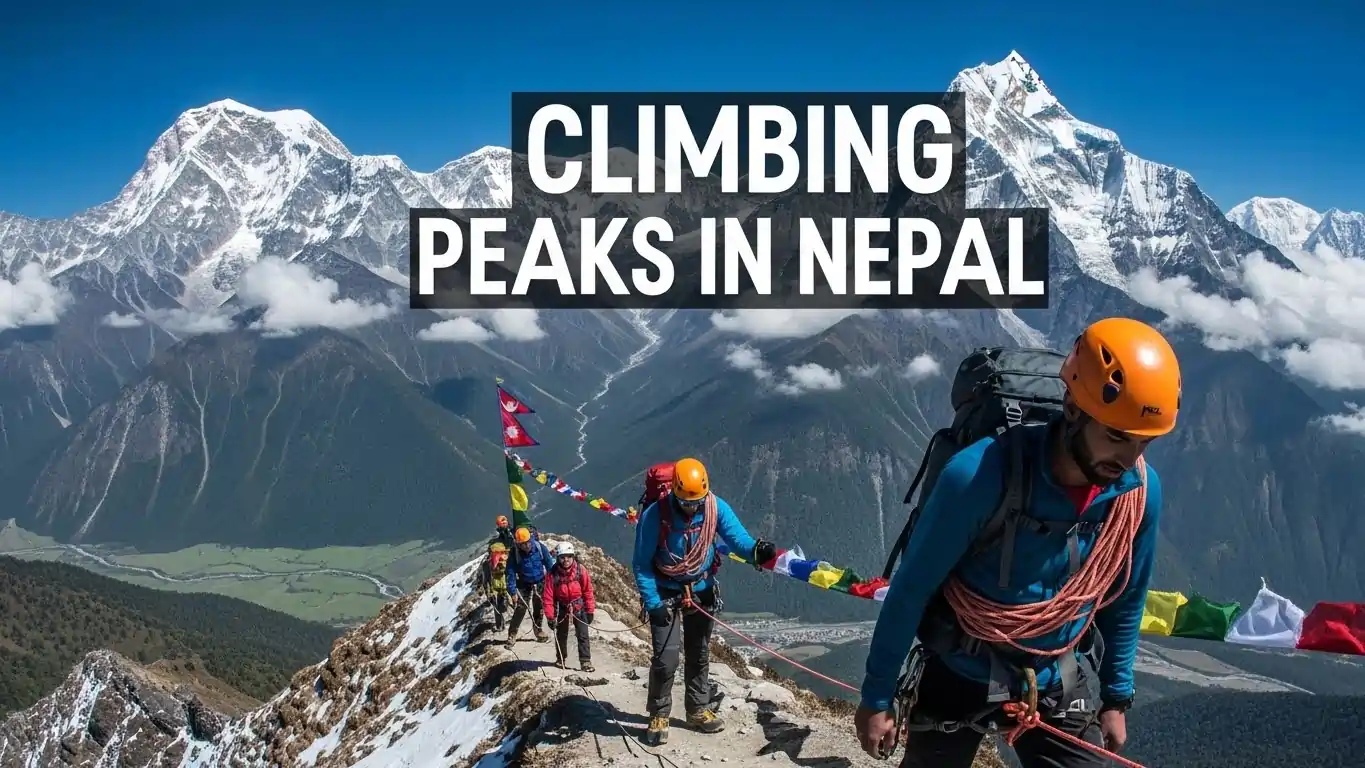
Climbing Peaks In Nepal: Everything You Need To Know
Reaching a Himalayan summit is a dream for many, yet the challenges often intimidate climbers. Extreme altitude, harsh weather, technical terrain, and the need for proper gear can overwhelm beginners. Even experienced adventurers face fatigue, altitude sickness, and route navigation issues that can force early retreat. Understanding what lies ahead is critical to avoid wasted effort, financial loss, or serious risk.
In this blog, readers will discover everything about climbing peaks in Nepal, from choosing the right mountains to preparation, permits, and seasonal considerations. Coverage includes difficulty levels, top peaks for beginners and advanced climbers, essential gear, acclimatization strategies, and how to select a reliable expedition partner. This guide helps climbers plan safely, manage expectations, and enjoy the adventure while minimizing risk.
What Is Peak Climbing in Nepal?
Peak climbing in Nepal is the activity of ascending Himalayan mountains that require more than just trekking, often involving technical skills, high-altitude exposure, and specialized equipment. Unlike regular trekking, peak climbing tests strength, endurance, and mountaineering ability while offering the reward of standing on a mountain summit. Climbers experience a combination of rugged terrain, ice, snow, and breathtaking views that trekking alone cannot provide.
Difference Between Trekking Peaks and Expedition Peaks
| Feature | Trekking Peaks | Expedition Peaks |
| Altitude | Usually 5,000–6,500 meters | Often above 6,500 meters, some over 8,000 meters |
| Difficulty | Non-technical, suitable for beginners | Technical, requires advanced mountaineering skills |
| Duration | Shorter expeditions (1–2 weeks) | Long expeditions (4–8 weeks or more) |
| Permits | Simple climbing permit | Government or NMA permits required |
| Risk Level | Moderate, lower fatality rate | High, extreme altitude and technical challenges |
| Equipment | Standard trekking and climbing gear | Advanced mountaineering gear, ropes, ice axes, oxygen |
Popular climbing peaks in Nepal include Island Peak (Imja Tse), Mera Peak, Lobuche East, Pisang Peak, and Himlung Himal, among others. These peaks are located in regions like Everest, Annapurna, and Langtang, offering varying levels of difficulty, altitude, and technical challenge.
Climbs can be classified as technical or non-technical. Non-technical climbs, usually trekking peaks, involve simple glacier travel, short ice sections, and minimal rope use. Technical climbs, typically expedition peaks, demand advanced skills such as crevasse navigation, ice wall climbing, use of crampons and ice axes, and sometimes supplemental oxygen. Understanding the type of climb helps climbers select peaks matching their experience, preparation, and fitness level.
Best Season for Peak Climbing
The best season for peak climbing in Nepal is when weather is stable, skies are clear, and conditions are safe for high-altitude ascents. Timing affects visibility, temperature, and the overall safety of the expedition. Choosing the right season reduces risks from storms, avalanches, and extreme cold. Most climbers prefer spring and autumn for their optimal climbing conditions.
Spring (March–May) and Autumn (September–November) as Ideal Seasons
Spring and autumn offer the most favorable weather for Himalayan peak climbing. In spring, temperatures gradually rise, snow conditions are stable, and winds are relatively low, making climbing safer. Rhododendron forests bloom at lower elevations, adding scenic beauty to the trek to base camps.
Autumn follows the monsoon, leaving clear skies, excellent mountain visibility, and dry trails, although temperatures are slightly cooler. Both seasons reduce avalanche risk compared with winter or monsoon periods, allowing climbers to plan summit pushes with greater confidence.
Weather Patterns, Visibility, and Safety Considerations
Stable weather is essential for successful ascents, as storms can appear suddenly, bringing heavy snow, high winds, and whiteouts. Visibility directly affects navigation on glaciers, ridges, and technical sections. High winds increase the risk of frostbite, hypothermia, and falls, while prolonged exposure at extreme altitudes can be fatal. Both spring and autumn provide extended daylight hours, allowing climbers to move safely and complete summit pushes within windows of favorable conditions. Monitoring real-time forecasts and adjusting itineraries is crucial for minimizing risks.
Permits Required for Peak Climbing in Nepal
To climb peaks in Nepal, obtaining the proper permits is mandatory for legal and safe expeditions. Permits regulate access, protect the environment, and ensure climbers are officially registered. Different peaks and regions require specific permits, and costs vary based on altitude and peak category. Securing these documents before departure is essential to avoid fines, delays, or denied access. Proper paperwork also helps expedition operators plan logistics efficiently.
Types of Permits: TIMS, Climbing Permits, National Park Fees
- TIMS (Trekkers’ Information Management System) card is required for all trekking and climbing activities in Nepal. It registers climbers with authorities and provides basic safety tracking.
- Climbing permits are issued by the Ministry of Tourism or Nepal Mountaineering Association (NMA), depending on whether the peak is a trekking peak or expedition peak. Permits vary based on peak difficulty, height, and season.
- National park or conservation area fees apply if the peak lies within protected areas like Sagarmatha or Annapurna. These fees support conservation, local communities, and trail maintenance.
How to Apply and Approximate Costs?
Applications can be submitted online through the NMA website, via licensed trekking agencies, or at relevant government offices in Kathmandu. Costs depend on peak type, altitude, and season; trekking peaks typically range from $150–$500 per person, while expedition peaks above 7,000 meters can exceed $10,000. National park or conservation fees add another $20–$50 per person. Early application is recommended to secure permits, especially for popular peaks during peak climbing seasons.
Difficulty of Climbing Peaks in Nepal
Climbing peaks in Nepal ranges from moderate trekking peaks to highly technical expedition peaks. Difficulty depends on altitude, technical skills required, weather conditions, and route complexity. Even non-technical peaks demand good physical fitness and acclimatization. High-altitude expedition peaks pose significant risks and require advanced mountaineering experience. Understanding these factors helps climbers select peaks matching their skills and preparation.
Factors Affecting Difficulty: Altitude, Technical Skills, Weather, Route
Altitude directly impacts oxygen availability, stamina, and susceptibility to altitude sickness. Higher peaks require longer acclimatization and careful monitoring of health. Technical skills such as ice climbing, crevasse navigation, and rope handling determine whether a climb is feasible for beginners or requires expert knowledge.
Weather can change suddenly, with storms, high winds, or heavy snow increasing danger and fatigue. Route complexity involves steep slopes, glaciers, ridges, and exposure to falls, which add to overall challenge. Climbers must consider all these factors when planning a summit attempt.
Success Rates and Common Challenges
Success rates for trekking peaks are relatively high, as they are non-technical and lower in altitude. Expedition peaks, especially above 7,000 meters, have lower success rates due to extreme altitude, technical demands, and unpredictable weather. Common challenges include fatigue, altitude sickness, route navigation, sudden storms, and logistical complications. Physical conditioning, proper acclimatization, and choosing the right expedition team significantly improve chances of success. Even with preparation, climbers must be ready to turn back if conditions become unsafe.
How to Prepare for Peak Climbing in Nepal?
To prepare for peak climbing in Nepal, climbers need to combine physical conditioning, proper acclimatization, essential gear, and mental readiness. Preparation ensures safety, improves endurance, and increases the likelihood of reaching the summit successfully. Careful planning includes understanding peak difficulty, weather conditions, and required permits. Selecting the right expedition partner also plays a key role in preparation.
Related Article: https://marveltreks.com/how-to-prepare-for-everest-base-camp-trek/
Physical Training and Fitness Requirements
Climbers must develop cardiovascular endurance, leg strength, core stability, and overall stamina. Training should include long hikes, stair climbing with weighted backpacks, running, and strength exercises targeting major muscle groups. High-altitude simulations or treks to moderate peaks help the body adapt to lower oxygen levels. Good physical fitness reduces fatigue, prevents injuries, and allows climbers to handle long days of climbing in harsh conditions.
Acclimatization and Health Precautions
Proper acclimatization is essential to prevent altitude sickness, including HAPE and HACE. Climbers should follow staged ascents, resting at intermediate camps to allow the body to adjust. Monitoring health, hydration, and oxygen levels is critical throughout the climb. Vaccinations, medical check-ups, and carrying a basic first-aid kit are recommended. Awareness of symptoms and timely response to altitude issues can be life-saving.
Gear Checklist and Essential Equipment
Essential equipment includes high-altitude boots, crampons, harnesses, helmets, ice axes, trekking poles, layered clothing, and sleeping bags rated for extreme cold. Supplemental oxygen may be needed for higher peaks. Proper gear ensures safety on glaciers, ice walls, and steep slopes while providing comfort in harsh conditions. Expedition teams often carry tents, cooking equipment, and backup supplies to support climbers throughout the climb.
Mental Preparation and Expedition Planning
Mental resilience is as important as physical fitness for peak climbing. Climbers must prepare for fatigue, isolation, difficult decisions, and adverse conditions. Visualization, stress management, and pacing strategies help maintain focus. Expedition planning includes route selection, weather monitoring, logistics, and contingency plans. Strong mental preparation ensures climbers remain calm, disciplined, and capable of handling unexpected challenges during the ascent.
Best Peaks for Beginners and Experienced Climbers
Nepal offers peaks suitable for both beginners and experienced climbers, allowing adventurers to match challenges with skill level. Beginner-friendly peaks are generally lower in altitude, non-technical, and require basic mountaineering skills. Advanced peaks demand technical climbing, high-altitude experience, and proper acclimatization. Selecting the right peak ensures safety, increases chances of success, and enhances the overall climbing experience.
Recommended Beginner-Friendly Peaks
Beginner-friendly peaks such as Island Peak (Imja Tse) and Mera Peak are ideal for climbers with limited mountaineering experience. These peaks range between 5,300–6,400 meters and involve simple glacier travel with minimal technical sections. Climbers practice rope handling, crampon use, and basic ice climbing in a controlled environment. These climbs provide exposure to high altitude while allowing gradual acclimatization. Support from guides and Sherpas ensures safe navigation of crevasses and steep slopes. Successful ascents of these peaks build confidence, physical readiness, and essential skills for tackling more technical climbs later.
Recommended Peaks for Experienced Climbers
Advanced peaks like Lobuche East and Pisang Peak demand technical climbing skills, prior high-altitude experience, and strong physical conditioning. These peaks often exceed 6,500 meters and involve ice walls, fixed ropes, and crevasse navigation. Climbers must be adept with ice axes, crampons, harnesses, and rope systems, and able to make quick, safe decisions in the death zone. Weather can change suddenly, requiring experience in route assessment and risk management. These climbs test endurance, mental resilience, and the ability to handle extreme conditions, making them suitable only for well-prepared mountaineers.
Tips for Choosing the Right Peak Based on Skill and Experience
- Assess your physical fitness, prior climbing experience, and comfort with high altitude.
- Beginners should start with trekking peaks to build skills and acclimatize gradually.
- Experienced climbers can choose expedition peaks that match technical expertise and ambition.
- Consider the season, weather patterns, and availability of guides or Sherpa support.
- Evaluate route difficulty, duration, and logistical requirements for safety and success.
- Set realistic expectations and plan gradual progression for a rewarding climbing experience.
What Is the Average Cost of Climbing a Peak in Nepal?
The average cost of peak climbing in Nepal is influenced by the type of peak, duration, permits, guide services, equipment, and logistical support. Trekking peaks generally cost between $1,500 and $3,000 per person, including permits, guides, Sherpa support, and basic equipment. Expedition peaks, especially above 7,000 meters, can cost $10,000 or more, due to higher permits, specialized gear, oxygen supply, and longer expedition duration.
Additional costs may include flights to Lukla or regional airports, national park fees, insurance, and personal gear. Choosing a reliable expedition partner ensures transparent pricing and covers most essential services, reducing hidden expenses. Early booking and careful planning help manage costs while ensuring safety and a well-supported climb.
Why Should You Choose Nepal for Peak Climbing?
You should choose Nepal for peak climbing because it offers some of the world’s highest and most iconic mountains, suitable for all skill levels. The country provides a wide range of peaks, from beginner-friendly trekking peaks to technical expedition climbs for experienced mountaineers.
Nepal has well-established trekking and climbing infrastructure, experienced guides, and reliable Sherpa support to ensure safety and smooth logistics. Stunning Himalayan scenery, rich cultural experiences, and access to remote villages make the adventure rewarding beyond the climb itself. This combination of natural beauty, challenge, and professional support makes Nepal the ideal destination for peak climbing.
Conclusion
Climbing peaks in Nepal requires careful preparation, including physical training, acclimatization, proper gear, and mental readiness. Understanding difficulty levels, seasonal conditions, required permits, and available peaks helps climbers make informed decisions and increases the likelihood of a safe and successful summit.
Prioritizing safety, selecting peaks that match skill and experience, and partnering with reliable guides or expedition companies are essential for a rewarding climb. With proper planning and respect for the mountains, climbers can fully enjoy the breathtaking Himalayan adventure while minimizing risks.
Who can climb peaks in Nepal?
Anyone with good physical fitness and prior trekking or climbing experience can attempt peaks. Beginners should start with easier trekking peaks before attempting technical climbs.
What is the difference between trekking peaks and expedition peaks?
Trekking peaks are less technical, lower in altitude, and suitable for beginners. Expedition peaks are more challenging, higher, and require advanced mountaineering skills.
When is the best time to climb peaks in Nepal?
The ideal seasons are spring (March–May) and autumn (September–November). Weather is more stable, and visibility is generally better during these periods.
Where are the most popular climbing peaks in Nepal?
Popular peaks include Island Peak, Mera Peak, Lobuche East, and Pisang Peak. Most are located in the Everest and Khumbu regions, with some in Annapurna and Langtang.
What permits are required for climbing peaks in Nepal?
Climbers need a climbing permit, TIMS card, and sometimes national park fees depending on the peak. Permits must be obtained in advance through the Nepal Mountaineering Association or government offices.
How difficult is climbing peaks in Nepal?
Difficulty varies based on altitude, technical requirements, and weather conditions. Trekking peaks are beginner-friendly, while expedition peaks demand advanced skills and experience.
How should one prepare for climbing peaks in Nepal?
Preparation includes physical training, acclimatization, technical practice, and packing proper gear. Mental readiness and planning with an experienced guide are also essential.
Which peaks are best for beginners and which for experienced climbers?
Island Peak and Mera Peak are suitable for beginners due to lower technical difficulty. Experienced climbers often attempt Lobuche East, Pisang Peak, or other high-altitude, technical peaks.
Inquire Now
Planning Everest, Base Camp, or any Himalayan trek? Get expert guidance, cost details, and availability instantly.
💬 Chat on WhatsApp📞 Chat on Viber