
Trekking in Nepal for Beginners: Complete Guide
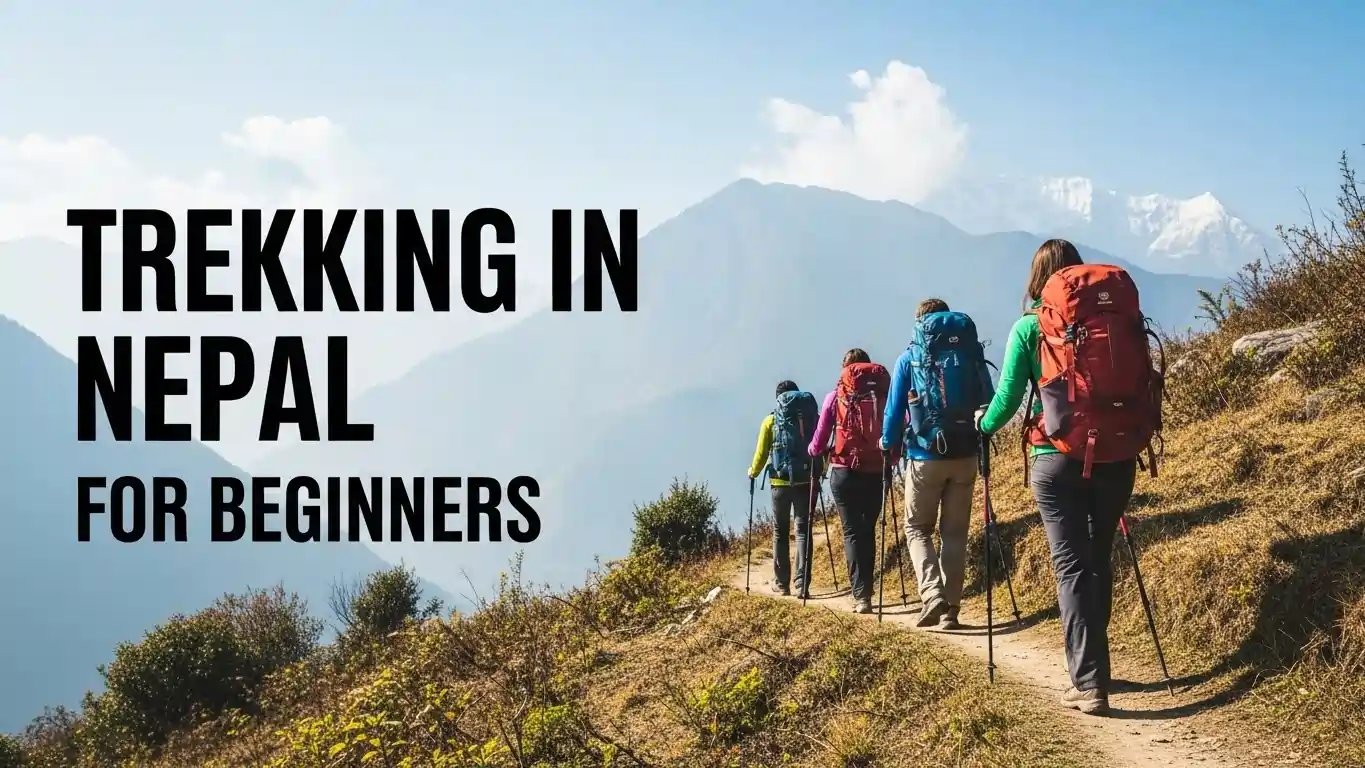
Many first-time trekkers dream of exploring the Himalayas but feel intimidated by high altitudes, long trails, and unpredictable weather. Fatigue, navigation challenges, and lack of preparation can turn an exciting adventure into a stressful experience. Beginners often worry about safety, physical demands, and whether they can enjoy the scenery without being overwhelmed.
In this blog, readers will discover everything about trekking in Nepal for beginners, including the easiest and most scenic routes. Coverage includes trail difficulty, duration, best seasons, cultural highlights, and tips for first-time trekkers. This guide helps readers plan a safe, enjoyable, and memorable Himalayan trekking experience, setting realistic expectations for both adventure and cultural immersion.
What Is Trekking in Nepal?
Trekking in Nepal is the activity of walking through mountainous trails, valleys, and remote regions, combining physical exercise with exploration of nature and culture. Unlike peak climbing, trekking generally involves moderate altitudes, non-technical routes, and opportunities to experience local villages and traditions along the way. It allows adventurers to enjoy the Himalayas without requiring advanced mountaineering skills.
Nepal’s trekking regions, including Everest, Annapurna, Langtang, Manaslu, and Mustang, offer diverse landscapes ranging from snow-capped peaks and glaciers to lush forests and terraced fields. Trekkers encounter cultural highlights such as monasteries, traditional villages, and local festivals, alongside natural scenery like rivers, waterfalls, and panoramic mountain views. This combination of adventure, scenery, and cultural immersion makes trekking in Nepal an unmatched experience for beginners and seasoned travelers alike.
Best Routes for Trekking in Nepal for Beginners
Nepal offers several beginner-friendly trekking routes that provide spectacular Himalayan views without technical climbing. These trails are moderate in difficulty, well-marked, and often include local villages, cultural sites, and natural scenery. Trekkers can enjoy mountain panoramas, forests, and rivers while gradually acclimatizing to higher altitudes. Most beginner routes range from 3 to 7 days, making them ideal for first-time trekkers seeking adventure with manageable challenges.
Mardi Himal Trek (Annapurna Region)
- Duration: 5–7 days
- Difficulty: Moderate
- Highlights: Snow-capped mountains, Mardi Himal Base Camp, rhododendron forests, panoramic views of Machapuchare and Annapurna.
Mardi Himal Trek offers a quieter alternative to the more popular Annapurna Circuit, making it ideal for beginners who want solitude with breathtaking views. The trail starts from the village of Dhampus and gradually ascends through lush rhododendron and oak forests. Along the way, trekkers pass traditional Gurung villages where they can observe local lifestyle, culture, and architecture. The trek features open ridges providing sweeping panoramas of Annapurna South, Hiunchuli, and Machapuchare. Reaching Mardi Himal Base Camp gives climbers an up-close view of the peak, with clear vistas of surrounding Himalayan ranges, providing a rewarding sense of accomplishment.
Ghorepani Poon Hill Trek (Annapurna Region)
- Duration: 4–5 days
- Difficulty: Easy to moderate
- Highlights: Famous Poon Hill sunrise views, terraced fields, rhododendron forests, and Gurung villages.
This trek is world-famous for its sunrise views from Poon Hill, which overlook the Annapurna and Dhaulagiri ranges. The route includes steady but manageable climbs, making it accessible for first-time trekkers. Paths wind through dense forests of rhododendron, oak, and pine, bursting with colors during spring. Villages like Ghorepani and Tadapani provide opportunities to experience local Gurung and Magar cultures, home-stays, and traditional food. The combination of scenic beauty, cultural exposure, and manageable altitude gain makes this trek a perfect introduction to trekking in Nepal.
Dhampus Trek (Annapurna Region)
- Duration: 3–4 days
- Difficulty: Easy
- Highlights: Traditional villages, mountain panoramas, terraced fields, and cultural experiences.
Dhampus Trek is a short yet incredibly scenic route suitable for beginners or travelers with limited time. The trail passes through peaceful villages where trekkers can engage with local communities and observe traditional lifestyles. Terraced fields and lush forests add to the natural charm, while panoramic views of Machapuchare, Annapurna South, and Hiunchuli reward trekkers along the way. Its moderate elevation gain ensures easy acclimatization while still providing an authentic Himalayan trekking experience. The short duration and cultural exposure make it an excellent choice for novice trekkers.
Everest View Trek (Everest Region)
- Duration: 5–7 days
- Difficulty: Moderate
- Highlights: Panoramic views of Everest, Namche Bazaar, Sherpa culture, Tengboche Monastery.
Everest View Trek offers the unique chance to experience the Everest region without technical climbing. Trekkers pass through Sagarmatha National Park, a UNESCO World Heritage Site, with stunning views of Everest, Lhotse, Nuptse, and Ama Dablam. The trail includes key stops like Namche Bazaar, a bustling Sherpa hub with shops and cafes, and Tengboche Monastery, known for its spiritual significance and panoramic views. The trek features gradual elevation gain, alpine forests, and glaciers, allowing trekkers to acclimatize while enjoying high-altitude landscapes. Interactions with Sherpa communities provide cultural insight, making this trek a balanced combination of scenery and local experience.
Langtang Valley Trek (Langtang Region)
- Duration: 5–7 days
- Difficulty: Moderate
- Highlights: Forested trails, traditional Tamang villages, Langtang Lirung views, waterfalls.
Langtang Valley Trek passes through dense forests, rivers, and alpine meadows, combining natural beauty with cultural richness. Trekkers encounter Tamang and Sherpa villages, where traditional customs, architecture, and local food can be experienced. The trail gradually ascends toward Langtang Valley, offering panoramic views of Langtang Lirung and surrounding peaks. Waterfalls, terraced fields, and occasional wildlife sightings enhance the trek. Moderate altitude gain allows proper acclimatization while providing breathtaking Himalayan scenery, making it suitable for first-time trekkers seeking both adventure and cultural immersion.
Helambu Trek (Near Kathmandu)
- Duration: 3–5 days
- Difficulty: Easy
- Highlights: Short, scenic trails, traditional Helambu villages, cultural immersion, panoramic views.
Helambu Trek is ideal for beginners due to its short duration, gentle trails, and proximity to Kathmandu. The route passes through pine forests, terraced fields, and small villages, offering opportunities to experience traditional Helambu culture and interact with locals. Moderate climbs provide panoramic views of the Langtang range and surrounding peaks without extreme altitude exposure. Trekkers enjoy cultural insights, local cuisine, and scenic landscapes while gradually acclimatizing. Its accessibility, ease, and combination of nature and culture make Helambu one of the best treks for first-time trekkers.
Factors to Consider When Choosing a Trek for Beginners
When choosing a trek for beginners in Nepal, several factors determine safety, comfort, and enjoyment. Trail length, altitude, daily walking distances, and accessibility affect physical demands and acclimatization. Accommodation options and local facilities influence convenience and safety. Scenic variety and cultural exposure enhance the overall trekking experience. Evaluating these elements helps first-time trekkers select a route that balances challenge with enjoyment.
Trek Length and Daily Walking Distance
The length of the trek and daily walking distance are crucial for beginners. Shorter treks with manageable daily distances of 4–6 hours reduce fatigue and allow better acclimatization. Trails with gradual elevation gain prevent sudden altitude stress, making the trek safer and more enjoyable. Planning daily stops at villages or teahouses ensures rest, meals, and hydration, helping beginners maintain energy levels throughout the trek.
Altitude and Risk of Altitude Sickness
Altitude is a major factor affecting comfort and safety. Beginners should choose treks with moderate elevations, typically below 4,000–5,000 meters, to minimize the risk of Acute Mountain Sickness (AMS). Gradual acclimatization through staged ascents and rest days allows the body to adjust to reduced oxygen levels. Awareness of symptoms like headache, nausea, or dizziness, along with proper hydration, can prevent serious altitude-related issues.
Accessibility, Accommodation, and Local Facilities
Accessibility to trailheads, transportation, and nearby towns affects convenience and emergency preparedness. Trails starting near major hubs like Kathmandu, Pokhara, or Lukla are easier to reach for first-time trekkers. Accommodation options, including teahouses and lodges, provide basic comfort, meals, and hot showers. Availability of medical services, local guides, and supplies ensures safety and support throughout the trek.
Scenic Variety and Cultural Experiences
Scenic variety and cultural exposure enhance the trekking experience. Beginners benefit from trails that combine forests, rivers, terraced fields, and panoramic mountain views. Visiting villages and interacting with local communities provides insight into traditional lifestyles, festivals, and architecture. Treks that blend natural beauty with cultural richness make the journey more engaging, memorable, and rewarding for first-time trekkers.
Preparation for Beginner Treks
Proper preparation is essential for a safe and enjoyable trekking experience in Nepal. Beginners need to focus on building physical fitness, packing appropriate gear, and understanding health and acclimatization requirements. Planning support, such as guides or porters, can also make the trek easier and more comfortable.
Physical Fitness and Stamina Building
Trekking requires endurance, leg strength, and cardiovascular fitness. Beginners should engage in regular walking, hiking with a backpack, stair climbing, and light strength training before the trek. Aerobic exercises such as running, cycling, or swimming improve stamina for long walking days. Building fitness gradually ensures trekkers can handle elevation gain, uneven terrain, and full-day hikes without excessive fatigue.
Packing Essentials: Clothing, Footwear, and Gear
Proper gear ensures comfort and safety during treks. Essentials include layered clothing for varying temperatures, waterproof jackets, thermal wear, trekking pants, and gloves. Sturdy trekking boots with good ankle support and trekking poles reduce strain and prevent injuries. Additional items include a daypack, water bottle, headlamp, sunglasses, sunscreen, and personal hygiene supplies. Packing light but efficiently helps maintain energy and agility on the trail.
Acclimatization Tips and Health Precautions
Acclimatization prevents altitude sickness and ensures a safer trek. Beginners should plan gradual ascents, rest days, and avoid rapid elevation gain. Staying hydrated, eating balanced meals, and monitoring for symptoms like headache, dizziness, or nausea are crucial. Carrying basic medications, a first-aid kit, and understanding local health facilities adds another layer of safety.
Hiring Guides or Porters for Assistance
Guides and porters provide support, local knowledge, and reduce physical strain. Guides can navigate trails, communicate with locals, and advise on acclimatization or safety issues. Porters carry heavy loads, allowing trekkers to maintain energy and enjoy the scenery. Hiring trained, licensed staff enhances safety, cultural insight, and overall trekking experience, especially for beginners unfamiliar with the region.
What Is the Average Cost of Beginner Treks?
The average cost of beginner treks in Nepal is generally between $300 and $700 per person, depending on the route, duration, and services included. This typically covers accommodation in teahouses or lodges, meals, permits, and basic guide services. Shorter treks like Dhampus or Helambu are on the lower end, while longer or more popular routes like Ghorepani Poon Hill or Everest View Trek can reach the higher end of the range.
Additional expenses may include transportation to trailheads, tips for guides or porters, personal gear, and optional extras like private guides or upgraded accommodation. Booking through a licensed trekking agency ensures transparent pricing, proper permits, and support along the trail, which improves safety and overall experience for beginners. Planning in advance helps manage costs while allowing trekkers to enjoy a well-supported and memorable Himalayan adventure.
When Is the Best Time for Beginner Treks?
The best time for beginner treks in Nepal is during spring (March–May) and autumn (September–November), when weather is stable, skies are clear, and temperatures are moderate. These periods provide the most favorable conditions for safe and enjoyable trekking, with minimal rainfall, manageable temperatures, and excellent visibility of the Himalayan peaks. Trails are less slippery, and days are longer, allowing trekkers to complete daily distances comfortably.
In spring, forests and trails burst with rhododendron blooms, colorful flora, and lush greenery. Temperatures gradually rise at higher altitudes, making climbs easier and more pleasant. Wildlife activity is higher, and lower-altitude villages are vibrant with local festivals and culture, adding richness to the trekking experience.
Autumn, on the other hand, follows the monsoon, leaving clean air, clear skies, and dry, stable trails ideal for panoramic mountain views. This season is popular for its consistent weather and excellent visibility of peaks like Annapurna, Machapuchare, and Everest. Both seasons reduce risks associated with snowstorms, landslides, and slippery paths, ensuring beginner trekkers can safely enjoy trails while experiencing the natural beauty and cultural heritage of Nepal.
Why Choose Nepal for Your First Trek?
You should choose Nepal for your first trek because it offers beginner-friendly trails with manageable altitudes, well-marked routes, and stunning Himalayan scenery. The country provides a unique combination of natural beauty, cultural immersion, and accessible trekking infrastructure, making it ideal for first-time trekkers.
Nepal’s trekking regions, including Annapurna, Everest, Langtang, and Helambu, offer scenic variety, traditional villages, and safe teahouse accommodations. Experienced local guides and porters provide support, navigation, and cultural insights, allowing beginners to focus on enjoying the journey. The blend of adventure, safety, and cultural richness makes Nepal an unmatched destination for anyone starting their trekking journey.
Conclusion
Trekking in Nepal for beginners offers an unmatched combination of adventure, natural beauty, and cultural experiences. Well-marked trails, moderate altitudes, and supportive infrastructure allow first-time trekkers to enjoy the Himalayas safely while experiencing traditional villages, panoramic mountain views, and lush landscapes.
Choosing the right route, preparing physically and mentally, and following acclimatization and safety guidelines are essential for a rewarding experience. With proper planning and guidance, beginners can fully enjoy the Himalayan adventure, building confidence and creating memories that last a lifetime.
Who can go on beginner treks in Nepal?
Anyone with basic physical fitness can enjoy beginner treks in Nepal. No prior trekking experience is needed for easy routes like Ghorepani Poon Hill or Mardi Himal.
What is the easiest trek in Nepal for beginners?
Ghorepani Poon Hill Trek is one of the easiest and most popular beginner-friendly treks. It offers moderate trails, stunning sunrise views, and takes about 4–5 days.
When is the best time for beginner treks in Nepal?
The best seasons are spring (March–May) and autumn (September–November). Weather is stable, trails are clear, and mountain views are at their best.
Where are the most popular beginner trekking routes in Nepal?
Popular beginner routes include Mardi Himal, Ghorepani Poon Hill, Dhampus, Everest View Trek, Langtang Valley, and Helambu. These routes offer moderate difficulty with scenic and cultural experiences.
What permits are needed for beginner treks in Nepal?
Most beginner treks require a TIMS card and, in some regions, national park permits. Costs are generally affordable and can be obtained through trekking agencies.
How long do beginner treks in Nepal usually take?
Beginner treks typically last 3–7 days depending on the route. Short treks like Helambu can be done in 2–3 days, while Mardi Himal takes 5–7 days.
How should beginners prepare for trekking in Nepal?
Preparation includes light to moderate fitness training, proper trekking gear, and acclimatization. Hiring a guide or porter is recommended for comfort and safety.
Why is Nepal ideal for first-time trekkers?
Nepal offers a range of easy and scenic trekking routes with well-established trails. Beginners can enjoy stunning mountain views, cultural villages, and manageable altitudes safely.

Ready for your next Himalayan adventure?
Plan Your Next Big Adventure with Us
Explore Our AdventuresJoin our expert-guided journeys across Nepal and beyond, from classic trails to epic summits.