

Is Trekking in Nepal Safe? A Complete Guide
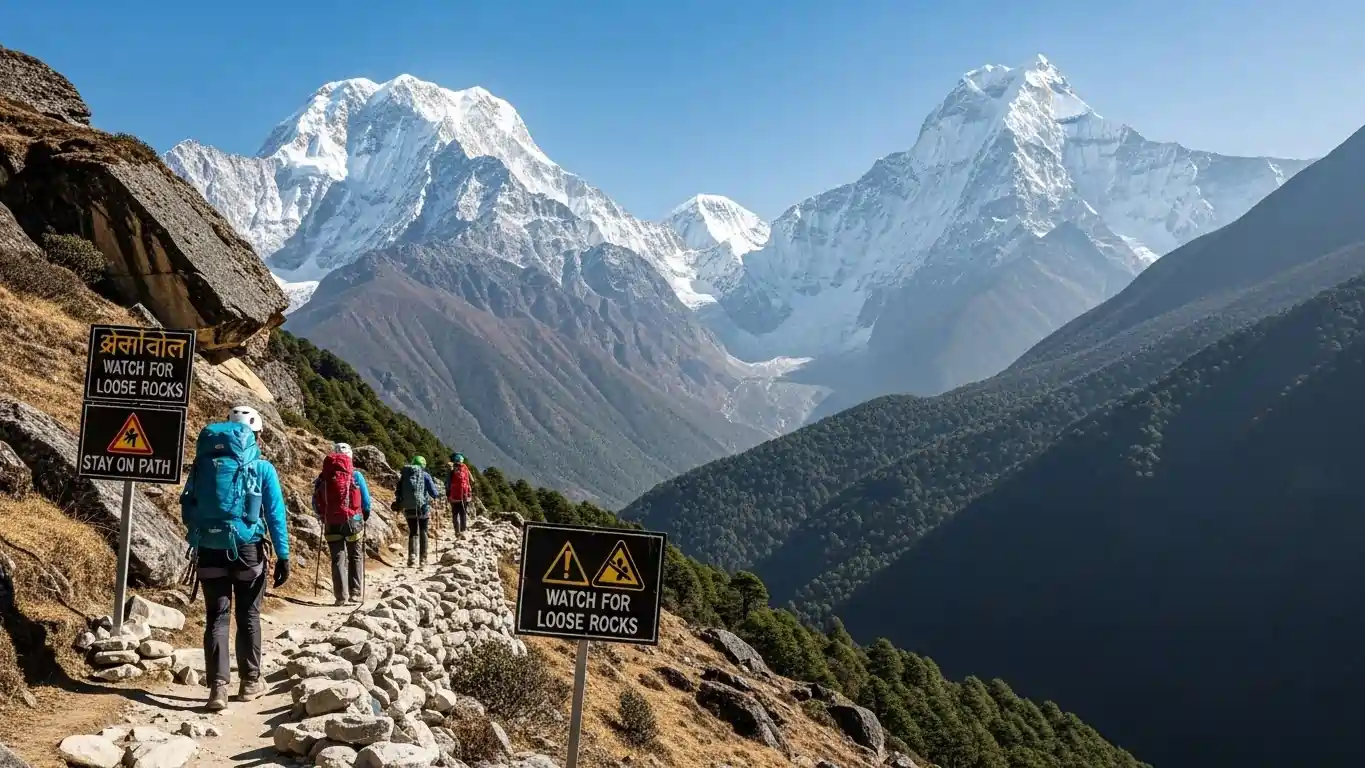
For first-time trekkers, the idea of exploring the Himalayas can bring many concerns. Worries about altitude sickness, sudden weather changes, landslides, difficult trails, or encounters with wildlife often make beginners hesitant to plan a trek. Navigation through remote areas and unfamiliar terrain adds another layer of anxiety, leaving many unsure if trekking in Nepal is truly safe.
Trekking in Nepal involves walking through mountain trails, valleys, and culturally rich villages while experiencing the breathtaking Himalayan scenery. This guide addresses common safety concerns, outlines preparation strategies, highlights the safest routes, and provides tips for a secure and enjoyable trekking experience. It equips beginners and experienced trekkers with the knowledge needed to navigate risks confidently and enjoy the adventure.
What Is Trekking in Nepal?
Trekking in Nepal is the activity of walking through mountainous trails, valleys, and rural regions to explore natural landscapes, local culture, and Himalayan scenery. Unlike technical mountaineering, trekking generally involves moderate altitudes and non-technical routes, making it accessible to beginners and experienced hikers alike.
Nepal offers a variety of trekking regions suited to different interests and fitness levels. Popular areas include Everest, famous for its iconic peaks and Sherpa culture; Annapurna, known for diverse trails and panoramic mountain views; Langtang, offering lush forests and traditional Tamang villages; and Helambu, which is short, scenic, and culturally rich. Trekkers experience dense forests, terraced fields, glaciers, rivers, and mountain panoramas, alongside opportunities to interact with local communities, visit monasteries, and enjoy regional festivals. This combination of nature, culture, and adventure makes trekking in Nepal an unforgettable experience.
Is Trekking in Nepal Safe?
Trekking in Nepal is generally safe when proper preparation, guidance, and precautions are followed. Most trails are well-marked, supported by teahouses or lodges, and accessible with licensed guides or trekking companies. Common safety concerns like altitude sickness, unpredictable weather, landslides, or wildlife can be effectively managed with planning, acclimatization, and awareness of local conditions, making trekking in Nepal for beginners manageable and enjoyable.
Historically, trekking carried higher risks due to limited infrastructure, poorly maintained trails, and lack of emergency services. Over the years, Nepal has improved safety significantly, introducing trekking permits, better trail management, rescue operations, and regulated trekking agencies. Today, trekkers benefit from reliable communication systems, trained guides, and improved health and emergency facilities, making it safer than ever to explore Himalayan trails. Proper planning, preparation, and following safety guidelines ensure a secure and enjoyable trekking experience for beginners and experienced trekkers alike.
Trekking Safety in Nepal – History and Present
Trekking safety in Nepal has evolved significantly over the past decades. In the early years, trails were poorly maintained, maps were limited, and guides lacked formal training, making treks riskier for both beginners and experienced adventurers. Common hazards included landslides, sudden weather changes, altitude sickness, and limited access to medical assistance.
Today, trekking safety has improved dramatically. Trails are regularly maintained, and teahouses along popular routes provide accommodation, meals, and basic medical support. Licensed guides and porters are trained in navigation, first aid, and emergency procedures. Trekking permits, insurance, and oversight by local authorities ensure that risks are minimized. Additionally, evacuation options, communication networks, and regulated expedition companies provide extra security, making trekking in Nepal safer and more accessible than ever.
Safest Trekking Routes in Nepal
Nepal offers several beginner-friendly trekking routes that are both scenic and safe, providing manageable altitudes, well-marked trails, and reliable facilities. These routes combine natural beauty, cultural experiences, and moderate physical challenges, making them ideal for first-time trekkers or those looking for a low-risk Himalayan adventure.
Ghorepani Poon Hill Trek
This trek in the Annapurna region is famous for its panoramic sunrise views over the Annapurna and Dhaulagiri ranges. The trail features gradual elevation gain, making it accessible for beginners. Trekkers pass through rhododendron forests, traditional Gurung and Magar villages, and terraced farmland. Teahouses and lodges are plentiful along the route, offering meals, rest, and shelter. The combination of manageable terrain, reliable accommodation, and breathtaking scenery makes Ghorepani Poon Hill one of the safest treks for newcomers.
Helambu Trek
Located near Kathmandu, the Helambu Trek is short, scenic, and culturally rich. It passes through pine forests, terraced fields, and traditional Helambu villages, providing insight into local customs and lifestyle. The trek features moderate climbs with comfortable altitudes, minimizing risks associated with high-altitude trekking. Well-maintained trails and accessible teahouses make this route particularly safe for first-time trekkers or those seeking a short Himalayan experience.
Dhampus Trek
The Dhampus Trek in the Annapurna region is a short and gentle trek that offers panoramic mountain views and cultural exposure. The trail passes through charming villages where trekkers can interact with locals and experience traditional architecture. Terraced fields, forests, and open ridges provide natural beauty while keeping the trek physically manageable. Accommodation along the route is reliable, with guesthouses and teahouses ensuring comfort and safety for beginners.
Everest View Trek
Everest View Trek allows trekkers to experience the Everest region without technical climbing. The route passes through Sagarmatha National Park, offering views of Everest, Lhotse, Nuptse, and Ama Dablam. Key stops include Namche Bazaar, a bustling Sherpa town with amenities and cultural experiences, and Tengboche Monastery, known for its spiritual significance and panoramic mountain views. Gradual elevation gain, well-marked trails, and the presence of trained guides and teahouses make this trek safe while providing an authentic high-altitude experience.
These routes are considered safe due to their moderate altitudes, accessible accommodation, clear trails, and support from trained local guides. They allow beginners to enjoy the Himalayas while minimizing risks associated with trekking in remote and high-altitude environments.
Safety Tips for Beginners
Trekking in Nepal is generally safe, but first-time trekkers need to follow proper precautions to minimize risks. Focusing on acclimatization, hydration, weather awareness, emergency preparedness, and selecting a reliable trekking agency ensures a secure and enjoyable experience. Proper planning and adherence to safety guidelines allow beginners to enjoy the Himalayan trails with confidence.
Acclimatization
Proper acclimatization is essential to prevent altitude sickness, which can occur even on moderate treks. Beginners should ascend gradually, ideally following the “climb high, sleep low” principle, allowing the body to adjust to reduced oxygen levels. Incorporating rest days at strategic points helps reduce fatigue and allows the body to recover. Recognizing early symptoms such as headaches, nausea, dizziness, or shortness of breath and responding promptly—either by resting or descending—can prevent severe complications. Experienced guides often plan itineraries that balance daily walking distances with acclimatization days to ensure safety.
Hydration and Nutrition
Maintaining hydration and proper nutrition is critical for energy and altitude adaptation. Trekkers should drink water regularly, aiming for at least 3–4 liters per day, and avoid alcohol or excessive caffeine, which can dehydrate the body. Consuming balanced meals rich in carbohydrates supports endurance, while proteins and healthy fats help maintain strength and recovery. Carrying portable snacks like nuts, energy bars, or dried fruit provides quick energy during long trekking days. Proper nutrition and hydration reduce the risk of fatigue, headaches, and other altitude-related problems.
Weather Monitoring
Weather in the Himalayas changes rapidly and can directly impact safety. Trekkers should check daily forecasts and be prepared for sudden rain, snow, or temperature drops. Layered clothing, waterproof jackets, and sturdy footwear help maintain comfort and reduce risk of hypothermia or slips on wet trails. Avoid trekking during storms or heavy rainfall, and be prepared to adjust itineraries if weather conditions become unsafe. Guides can provide real-time updates on weather and advise on safe routes or alternate stops.
Emergency Contacts
Being prepared with emergency contacts and communication tools is essential in remote trekking areas. Mobile phones with local SIM cards, satellite phones, or walkie-talkies ensure connectivity when needed. Trekkers should know the locations of nearby medical facilities, rescue services, and local authorities. Keeping a first-aid kit and basic medications allows for immediate response to minor injuries or illnesses. Having a clear emergency plan and sharing it with guides or companions increases safety and confidence on the trail.
Choosing the Right Trekking Agency
Selecting a licensed, experienced trekking agency significantly improves safety and comfort. Agencies provide trained guides, porters, and logistical support, including permits, accommodations, and meals. Guides are skilled in navigation, altitude management, and emergency response, ensuring trekkers are supported throughout the journey. A reputable agency also plans proper acclimatization schedules, monitors weather conditions, and implements risk management strategies. Partnering with a trusted company reduces uncertainty and allows beginners to focus on enjoying the Himalayan experience.
How Experienced Trekking Companies Prioritize Your Safety?
Experienced trekking companies like Marvel Treks prioritize safety by providing structured itineraries, trained guides, and full logistical support to ensure a secure and enjoyable trek. They plan routes with proper acclimatization, monitor weather conditions, and manage risks proactively. With licensed guides, porters, and reliable communication systems, these companies help trekkers navigate the Himalayas safely. Choosing a reputable company minimizes hazards and allows beginners and experienced trekkers alike to focus on the adventure while being well-protected.
Role of Licensed Trekking Companies
Licensed trekking companies operate under Nepal government regulations, ensuring accountability, proper permits, and adherence to safety standards. They provide experienced guides familiar with local terrain, weather, and emergency procedures. Companies like Marvel Treks maintain structured itineraries that balance daily walking distances with acclimatization, reducing risks of altitude sickness and fatigue. Licensing guarantees that the company meets minimum safety and quality requirements, giving trekkers peace of mind.
Guide and Porter Support
Trained guides and porters are essential for a safe trekking experience. Guides navigate trails, monitor weather, advise on altitude-related issues, and assist during emergencies. Porters carry heavy loads, reducing physical strain on trekkers and allowing them to focus on walking safely. Both guides and porters are knowledgeable about local customs, language, and terrain, providing additional support and cultural insight that enhances safety and comfort.
Use of Permits, Insurance, and Communication Equipment
Proper permits, trekking insurance, and reliable communication devices play a vital role in safety. Licensed companies ensure all necessary permits, such as TIMS and national park fees, are obtained. Insurance coverage protects trekkers against medical emergencies, evacuation, or unexpected incidents. Guides carry communication tools like satellite phones or radios to coordinate in case of emergencies, allowing rapid response and minimizing risk.
Risk Assessment and Emergency Preparedness
Experienced companies continuously assess potential risks, including weather, trail conditions, and altitude challenges. They plan contingency measures for delays, injuries, or sudden illnesses. Emergency protocols include evacuation plans, first-aid preparedness, and coordination with local rescue teams. By proactively managing risks, companies like Marvel Treks ensure that trekkers can enjoy their journey while minimizing exposure to hazards.
What Are the Risks of Trekking in Nepal?
Trekking in Nepal carries risks such as altitude sickness, sudden weather changes, landslides, and trail accidents. Remote trails can make access to medical care difficult, and inadequate preparation can lead to fatigue, dehydration, or injuries. Wildlife encounters, river crossings, and poorly maintained paths add additional hazards. However, most risks can be minimized with proper planning, acclimatization, and guidance from experienced trekking companies.
How Can Beginners Stay Safe on High-Altitude Treks?
Beginners can stay safe by gradually ascending to higher altitudes, maintaining hydration, and following acclimatization schedules. Wearing appropriate clothing, monitoring weather forecasts, and carrying a first-aid kit further reduce risk. Trekking with a licensed guide or reputable company ensures support during emergencies, proper navigation, and adherence to safety protocols. Avoiding rapid altitude gain and listening to one’s body are key to preventing altitude-related complications.
Are Solo Treks Safe in Nepal?
Solo treks in Nepal are not generally allowed for foreign trekkers on most major routes without a licensed guide, following regulations introduced to improve safety. Foreign visitors are required to hire a certified trekking guide or porter through a registered agency before trekking in national parks, conservation areas, or popular trekking regions. This ensures help is available in case of illness, injury, or navigational errors and reduces risks of stranded or lost hikers.
The restriction applies to popular routes like Annapurna Base Camp, Ghorepani‑Poon Hill, and Langtang Valley, where independent trekking is no longer permitted. Even on routes where solo trekking may still occur, it remains risky due to sudden weather changes, altitude sickness, or accidents.
Licensed guides provide local knowledge, first-aid support, route navigation, and emergency communication, which greatly increase safety. For beginners and even experienced trekkers, traveling with a guide or in a small group is strongly recommended. Solo trekking on major trails is both restricted by law and unsafe, so planning with professional support ensures compliance with regulations while maximizing safety and enjoyment.
How Reliable Are Local Guides and Porters?
Local guides and porters are generally highly reliable, especially when employed by licensed trekking agencies. Guides are trained in navigation, altitude management, and first aid, while porters help carry heavy loads and ensure trekkers conserve energy. Agencies like Marvel Treks provide professional staff familiar with terrain, weather, and local culture, greatly enhancing both safety and overall trekking experience. Choosing licensed guides ensures accountability, experience, and adherence to safety standards.
Conclusion
Trekking in Nepal is generally safe when trekkers prepare properly and follow recommended safety measures. Choosing well-marked trails, traveling with licensed guides, and adhering to acclimatization and weather guidelines significantly reduce risks.
Using reliable trekking agencies ensures support, emergency preparedness, and access to proper facilities, making the journey smoother and safer. With careful planning and awareness, trekkers can fully enjoy the Himalayan scenery, culture, and adventure without compromising safety.
Is trekking in Nepal safe for beginners?
Yes, trekking in Nepal is safe for beginners when using licensed guides and choosing beginner-friendly routes. Following proper acclimatization and safety guidelines minimizes risks.
Can I trek solo in Nepal?
No, most major routes require a licensed guide, and solo trekking is not allowed for foreign visitors. Guided treks ensure safety and compliance with regulations.
What are the main risks of trekking in Nepal?
The main risks are altitude sickness, landslides, sudden weather changes, and trail accidents. These can be managed with preparation and guidance.
How can I prevent altitude sickness?
Ascend gradually, rest at intermediate altitudes, and stay hydrated. Descend immediately if severe symptoms appear.
Are local guides and porters reliable?
Yes, licensed guides and trained porters provide navigation, first aid, and emergency support. They enhance safety and efficiency on the trail.
Which routes are safest for beginners?
Ghorepani Poon Hill, Helambu, Dhampus, and Everest View Trek are considered safest for beginners. These routes have moderate altitudes, teahouses, and clear trails.
What equipment is essential for safe trekking?
Essential gear includes layered clothing, sturdy footwear, trekking poles, a first-aid kit, and communication devices. These items ensure comfort and safety.
How do trekking agencies prioritize safety?
Trekking agencies plan acclimatization, monitor weather, provide trained guides, and manage emergencies. They also handle permits and insurance to reduce risks.
Inquire Now
Planning Everest, Base Camp, or any Himalayan trek? Get expert guidance, cost details, and availability instantly.
💬 Chat on WhatsApp📞 Chat on Viber