

K2 Climbing Duration: Complete Guide
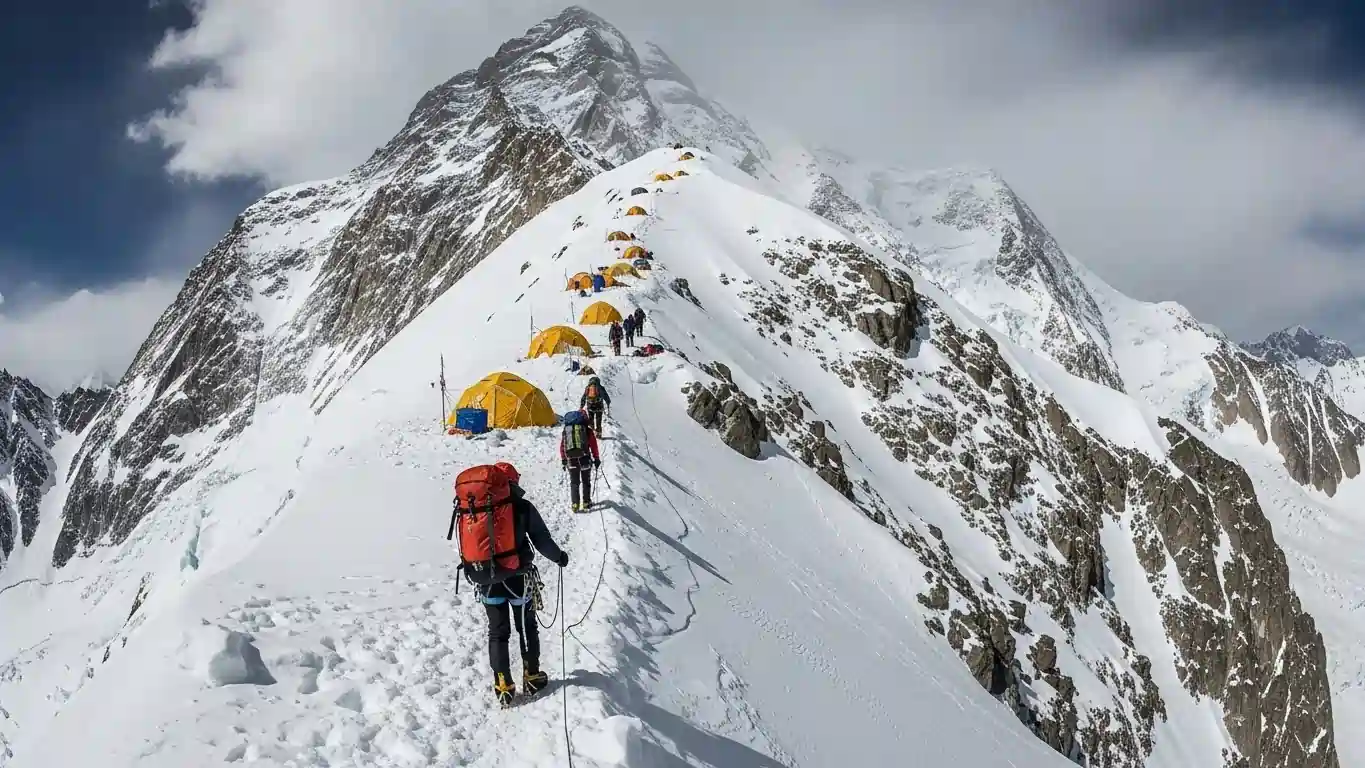
K2 is known as one of the most dangerous and technically demanding mountains in the world, earning a reputation that intimidates even experienced climbers. Extreme weather, steep and unstable slopes, high altitude, and limited rescue options create serious risks, making preparation, endurance, and expert guidance essential for anyone attempting the climb. Many climbers also struggle with the uncertainty of how long the expedition will take, which affects logistics, acclimatization, and overall planning.
In this blog, we discuss how long it takes to climb K2 and provide a complete guide for climbers. You will learn about the typical duration of a K2 expedition, factors that influence the climb, route options, the best climbing seasons, preparation tips, and safety considerations. This guide helps adventurers plan efficiently and understand the challenges of attempting one of the world’s most formidable peaks.
Overview of K2 Expedition
K2 is located in the Karakoram Range of Pakistan, forming part of the border between Pakistan and China. At 8,611 meters (28,251 feet), it is the second-highest mountain in the world, surpassed only by Mount Everest. Its remote location and rugged terrain make access challenging, requiring careful logistical planning just to reach the base camp.
A K2 expedition is renowned for its technical difficulty and extreme conditions. Climbers face steep ice and rock slopes, unpredictable weather, and high-altitude hazards that demand advanced mountaineering skills. The journey involves prolonged exposure to cold, avalanches, crevasses, and limited rescue options, making it one of the most challenging and dangerous climbs on Earth. Only experienced climbers with strong physical endurance, technical expertise, and proper support should attempt it.
How Long Does It Take to Climb K2?
The typical duration to climb K2 is around 6 to 8 weeks, from arrival at the base of the mountain to reaching the summit and returning safely. The long expedition period is necessary due to the extreme altitude, technical climbing sections, unpredictable weather, and the need for proper acclimatization. Climbers spend several weeks moving between base camp and higher camps, carrying loads, fixing ropes, and waiting for favorable weather windows. The remote location and challenging terrain also mean that logistics, including food, fuel, and oxygen supplies, must be carefully managed. Weather delays are common, and summit attempts are often postponed by storms or high winds. Overall, patience, endurance, and strategic planning are crucial for a successful K2 expedition.
Factors contributing to the duration:
- Gradual acclimatization through multiple rotations between base camp and higher camps.
- Technical climbing sections requiring rope fixing and route preparation.
- Waiting for stable weather and safe summit windows.
- Carrying and organizing supplies, including food, fuel, and oxygen.
- Physical recovery between high-altitude rotations to prevent exhaustion or altitude sickness.
- Remote location and challenging terrain slowing movement and logistics.
- Emergency contingency days in case of storms, injuries, or health issues.
Factors Determining the Duration of a K2 Climb
The duration of a K2 expedition depends on several factors, including weather, route complexity, climbers’ experience, efficiency of the support team, and logistical requirements. Each factor can significantly influence how long it takes to reach the summit and return safely. Planning, patience, and flexibility are essential to manage delays and ensure proper acclimatization for a successful climb.
Weather Conditions and Summit Windows
K2 is notorious for its harsh and unpredictable weather, which plays a major role in determining expedition duration. Climbers may face heavy snowfall, high winds, and sudden storms at any time, forcing them to wait days or even weeks at base camp or higher camps. The mountain offers only short summit windows, usually in July or August, when conditions are favorable. Timing the climb around these windows is critical, as attempting the summit during poor weather drastically increases risk and can delay the expedition significantly.
Route Selection and Technical Difficulty
The chosen climbing route impacts both safety and duration. Popular routes like the Abruzzi Spur involve steep ice and rock faces, crevasses, and mixed climbing sections that require careful navigation and rope fixing. More technical routes demand slower progress, repeated rotations for acclimatization, and time-consuming safety measures. Each additional technical challenge can add several days to the total expedition, especially if teams encounter difficult terrain or need to establish new camps.
Climbers’ Experience, Fitness, and Acclimatization Speed
Climbers’ physical fitness and previous high-altitude experience significantly affect how quickly they can ascend and recover. Experienced climbers can move efficiently between camps and tolerate higher altitudes, while beginners or less acclimatized climbers require extra rest days. Slow acclimatization increases time spent at intermediate camps, which is critical to prevent altitude sickness, frostbite, or exhaustion. Daily pace and ability to carry loads also influence the overall timeline.
Support Team Efficiency: Guides, Sherpas, and Porters
A competent support team accelerates progress and enhances safety. Guides and Sherpas carry heavy loads, fix ropes, set up higher camps, and monitor climbers for altitude sickness or fatigue. Efficient teams reduce delays in camp establishment, load transport, and technical preparations. Well-coordinated porters and guides can cut several days off the expedition, whereas inexperienced or understaffed teams may slow the climb and increase risk.
Permits, Travel, and Approach Trek to Base Camp
Reaching K2 requires international travel, obtaining necessary permits, and trekking through the remote Karakoram terrain to base camp. The approach trek can take 5–10 days depending on weather, trail conditions, and logistics. Delays in transportation, permit processing, or adverse local conditions can extend the overall expedition. Proper planning for these preliminary steps ensures climbers have adequate time to acclimatize and prepare for the summit push.
Route Options for K2
K2 offers several climbing routes, each with unique challenges, technical demands, and levels of risk. The most popular and frequently attempted routes include the Abruzzi Spur, Cesen/Basque Route, and Magic Line. Choosing the right route depends on a climber’s experience, technical skills, and tolerance for extreme conditions.
Abruzzi Spur
The Abruzzi Spur is the most commonly used route on K2 and starts from the southeast ridge. It involves steep rock and ice sections, crevasses, and exposed ridges, requiring advanced technical climbing skills. The route climbs approximately 8,611 meters, with multiple high camps established along the way, making the total expedition duration about 6–8 weeks. It is recommended for experienced climbers due to its technical difficulty and high exposure.
Cesen/Basque Route
The Cesen or Basque Route is slightly more direct than the Abruzzi Spur and follows the south-southeast ridge. It has fewer rock obstacles but includes challenging ice slopes and the dangerous Bottleneck section. The route requires strong ice climbing skills and careful navigation, taking roughly the same 6–8 weeks as the Abruzzi Spur. It is suitable for climbers with prior high-altitude experience and technical proficiency.
Magic Line
The Magic Line is an extremely difficult and rarely attempted route on K2’s south face. It features very steep rock and ice climbing, significant avalanche risk, and long, sustained technical sections. The expedition along this route is typically longer due to slower progress and additional safety measures, and it is only recommended for elite mountaineers with extensive high-altitude climbing experience.
Selecting the appropriate route is critical for safety and success, with more technical options reserved for highly skilled climbers and standard routes like the Abruzzi Spur preferred by most experienced expeditions.
Best Time to Climb K2
The best time to climb K2 is from late June to early August, which provides the most stable weather and the highest chance of a successful summit. During this period, temperatures are relatively moderate, and storms are less frequent, allowing climbers to plan rotations and summit attempts more reliably.
Weather Patterns and Summit Window Considerations
K2’s weather is highly unpredictable, with strong winds, heavy snowfall, and sudden storms common outside the optimal season. Climbers must wait for a brief summit window when conditions are favorable, often just a few days. Even during the recommended period, storms can delay summit pushes, requiring flexibility in planning and additional acclimatization days at higher camps.
Risks of Attempting Outside the Recommended Season
Attempting K2 outside late June to early August dramatically increases the risk of avalanches, icefall collapses, extreme cold, and high winds. Winter or early spring expeditions face prolonged exposure to harsh conditions and limited rescue options. Most climbers attempting the mountain outside the optimal window encounter delays, failed summit attempts, or serious accidents, making it highly unsafe for all but the most experienced and well-prepared alpinists.
Preparation Tips for a K2 Expedition
Preparing for a K2 climb requires rigorous physical, technical, and logistical preparation. The mountain’s extreme altitude, technical difficulty, and unpredictable weather demand climbers be in peak physical condition and fully equipped. Adequate planning for acclimatization, health precautions, and support from an experienced expedition company greatly increases the chances of a successful and safe summit.
Physical and Technical Training
Climbers must build endurance, strength, and cardiovascular fitness through high-altitude trekking, long-distance hikes, and strength training. Technical skills such as ice climbing, rock climbing, crevasse navigation, and rope handling are essential. Training should simulate conditions encountered on K2, including carrying heavy loads and climbing steep, icy terrain. Consistent preparation over months or years is required to handle the mountain’s physical demands.
Gear and Equipment Essentials
Proper gear is critical for safety and survival on K2. Essential equipment includes high-altitude clothing, insulated boots, crampons, ice axes, ropes, harnesses, helmets, tents, sleeping bags rated for extreme cold, and oxygen systems. Redundant equipment for emergencies, along with food and fuel supplies, ensures climbers are prepared for extended rotations and unexpected delays.
Acclimatization Strategy and Health Precautions
Gradual acclimatization is crucial to prevent altitude sickness. Climbers should plan multiple rotations between base camp and higher camps, with rest days at each stage. Monitoring health signs, maintaining hydration, and following dietary guidelines help sustain energy and reduce risks. Regular medical check-ups, vaccinations, and carrying a first-aid kit or medication for altitude-related illnesses are recommended.
Importance of Choosing an Experienced Expedition Company
Partnering with a professional and experienced expedition company ensures logistical support, safety, and expert guidance. Companies like Marvel Treks provide trained guides, Sherpa support, route planning, weather monitoring, and emergency evacuation options. Their expertise in high-altitude logistics and risk management significantly increases the likelihood of a safe and successful climb.
How Physically Demanding Is Climbing K2?
Climbing K2 is extremely physically demanding due to steep rock and ice slopes, high-altitude conditions, and prolonged exposure to extreme cold. Climbers need exceptional endurance, strength, and cardiovascular fitness, combined with advanced technical skills in ice and rock climbing. The climb requires carrying heavy loads, multiple rotations for acclimatization, and sustained effort for several weeks, making it one of the toughest mountaineering challenges in the world.
How Much Does a K2 Climb Cost?
The cost of a K2 expedition typically ranges from $30,000 to $60,000 or more per person, depending on the route, duration, level of support, and expedition company. Expenses include permits, travel, guides and Sherpas, high-altitude gear, food, oxygen, and insurance. Additional costs may arise from logistical challenges, emergency contingencies, or extended stays due to weather delays.
Which Is the Safest Route to the Summit?
The Abruzzi Spur is considered the safest and most commonly attempted route on K2. While still extremely challenging, it is well-established, with fixed ropes, multiple high camps, and better support options compared to less-traveled routes. Routes like the Cesen/Basque or Magic Line are technically more difficult and carry higher risks, suitable only for highly experienced climbers.
Conclusion
A typical K2 expedition takes 6 to 8 weeks, depending on factors such as weather, route choice, climbers’ experience and fitness, support team efficiency, and logistical arrangements. Each of these elements can significantly influence the overall duration and success of the climb.
Proper preparation, including physical and technical training, acclimatization planning, and selecting an experienced expedition company, is essential for safety and efficiency. Climbers must respect K2’s extreme difficulty, unpredictable weather, and technical challenges, as careful planning and risk management are critical to attempting the summit successfully and returning safely.
How long does it take to climb K2?
A K2 expedition usually takes 6–8 weeks. Delays from weather or acclimatization can extend this.
How physically demanding is K2?
K2 requires extreme endurance and technical climbing skills. It is one of the hardest high-altitude climbs.
Which route is safest for K2?
The Abruzzi Spur is the safest and most popular route. Other routes are riskier and more technical.
When is the best time to climb K2?
Late June to early August provides the most stable weather. Outside this period, risks increase significantly.
How much does a K2 expedition cost?
A K2 climb typically costs $30,000–$60,000 per person. This includes permits, guides, equipment, and oxygen.
What are the main risks of climbing K2?
Risks include avalanches, extreme cold, altitude sickness, and technical falls. Proper preparation reduces but does not remove these risks.
How should climbers prepare for K2?
Climbers need physical training, technical skills, acclimatization, and proper gear. Experienced expedition support improves safety.
Can beginners attempt K2?
No, K2 is only for highly experienced climbers. Beginners should gain experience on lower technical peaks first.
Inquire Now
Planning Everest, Base Camp, or any Himalayan trek? Get expert guidance, cost details, and availability instantly.
💬 Chat on WhatsApp📞 Chat on Viber