
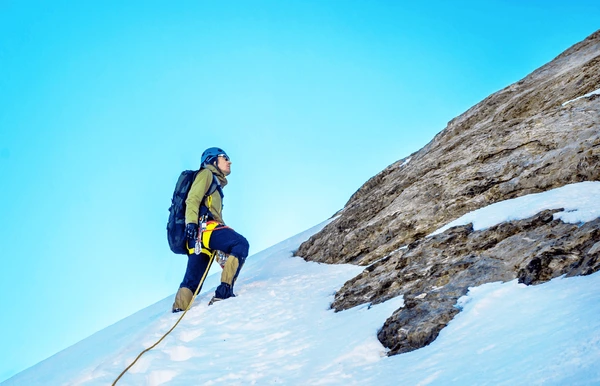
How Long Does It Take to Climb Everest? Complete Timeline
Many climbers underestimate Everest timeline before committing to this expedition. Confusion often comes from focusing only on summit day while ignoring weeks of waiting, acclimatization, weather holds, plus recovery periods. Long stays at base camp test patience and mental strength. Unpredictable weather delays add frustration. Physical fatigue builds long before final ascent begins.
In this blog, content explains how long it takes to climb Everest from arrival in Nepal to return after the summit attempt. Sections break down expedition phases, acclimatization cycles, summit window timing, plus descent duration, similar to timelines seen across the famous five expeditions in Nepal. The guide also covers risk factors that extend the schedule, preparation needs, and reasons Everest climbing demands far more time than most climbers expect.
Overview of Mount Everest Expedition
Mount Everest expedition follows structured high altitude climbing process rather than single continuous ascent. Climbers establish base camp, then complete multiple acclimatization rotations through higher camps. Final summit push occurs only after body adapts to extreme elevation. Descent follows immediately after summit attempt.
Everest is not fast climb because oxygen adjustment requires time and patience. Weather windows limit movement above high camps. Fixed rope setup, load carries, plus rest days stretch overall duration. Safety depends on gradual progress rather than speed. Human endurance limits make rushed ascent dangerous.
How Long Does It Take to Climb Mount Everest?
It takes about 60 to 75 days to climb Mount Everest from arrival in Nepal to return after the summit attempt. This timeline includes trekking to base camp, acclimatization rotations, waiting for weather windows, summit push, plus descent, depending on the chosen Everest climbing route. Actual climbing toward the summit represents a small fraction of the total duration. Most days pass at base camp or higher camps preparing the body for extreme altitude. Patience matters more than speed during this expedition.
Total Duration (6–9 Weeks Explained)
Total expedition length usually falls between six to nine weeks on Nepal south side. Initial phase includes arrival in Kathmandu, permit processing, plus logistics checks. Trek to Everest Base Camp takes eight to ten days with acclimatization stops. Weeks then pass completing rotations between base camp and higher camps to build altitude tolerance. Weather delays, rope fixing schedules, plus team coordination extend stay further. Narrow summit window determines final timing. Extra buffer days protect safety when conditions change. Teams often plan additional days to handle unexpected health issues.
Time Spent at Base Camp
Climbers spend around three to five weeks at Everest Base Camp across entire expedition. Early days focus on rest, medical checks, plus technical training. Base camp acts as recovery zone between high altitude rotations. Waiting periods occur due to weather, icefall conditions, plus route preparation. Body requires sleep, nutrition, plus hydration to recover from altitude stress. Longer stays help prevent exhaustion before summit phase. Psychological adjustment also happens during extended base camp stays.
Time Required for Acclimatization Rotations
Acclimatization rotations consume the largest portion of the Everest timeline. The first rotation usually reaches Camp 1 or Camp 2 before descending, similar to gradual altitude exposure used at advanced base camp stages on other high expeditions. The second rotation involves sleeping at Camp 2, then climbing toward Camp 3 on the Lhotse Face. Some climbers complete a third rotation depending on strength and strategy. Each rotation includes ascent days, rest nights, plus descent recovery. Gradual exposure reduces altitude sickness risk. Skipping rotations increases danger significantly. Recovery gaps between rotations restore strength.
Summit Push and Descent Timeline
Summit push from base camp up and back usually takes three to five days. Sequence moves climbers from base camp to Camp 2, Camp 3, then Camp 4. Summit attempt starts late night from South Col under stable weather. Descent follows immediately due to extreme exhaustion risk. Traffic, wind, or cold can extend timeline. Safe return always outweighs speed after summit success. Teams descend rapidly to lower camps for recovery.
Why Does Climbing Everest Take So Long?
Climbing Everest takes long because the body needs slow altitude adaptation, teams must wait for safe weather windows, plus climbers require recovery time between rotations. Route preparation also depends on fixed rope work and load carries to stock higher camps, following the structured process outlined in how to climb Everest guides. Weather holds can stop movement for many days. Fatigue management becomes necessary after each high camp exposure. Crowds create delays during the summit window, which further extend the schedule.
Slow Acclimatization Process
Acclimatization takes time because oxygen pressure drops sharply above base camp. Body responds by increasing breathing rate and producing more red blood cells. This adaptation requires repeated exposure through rotations, not single rapid ascent. Sleep at higher camps stresses recovery, so descent to base camp becomes necessary. Climb high sleep low pattern improves adaptation while reducing sickness risk. Shortcuts increase AMS risk and reduce summit success chance. Proper acclimatization also improves decision making under stress.
Waiting for Safe Weather Windows
Weather controls summit timing more than fitness. High winds, snowfall, or low visibility create unsafe climbing conditions above Camp 3. Summit window often lasts only few days when jet stream shifts away. Teams monitor forecasts and wait until stable wind speed and temperature appear. Delays happen even after full acclimatization due to storms. Safe window also depends on route conditions like snow stability. Missing window can end expedition without summit attempt.
Physical Recovery Between Rotations
Recovery becomes essential because rotations cause heavy fatigue and muscle breakdown. High altitude exposure reduces appetite, which slows energy replacement. Sleep quality drops at Camp 2 and Camp 3, which increases exhaustion. Base camp rest restores strength through nutrition, hydration, plus sleep. Minor illness such as cough or stomach upset also requires downtime. Without recovery, summit push carries higher accident risk. Strong recovery routine improves performance during final ascent.
Crowds and Route Traffic
Crowds slow progress during narrow summit window. Many teams attempt summit on same night to use best forecast. Bottlenecks occur at fixed rope sections such as Hillary Step area and South Summit ridge. Waiting in line increases cold exposure and oxygen use. Delays force climbers to turn around due to time cutoff rules. Traffic also increases risk of falls and congestion accidents. Smart timing strategy helps reduce crowd impact.
Risk Factors During Long Everest Climb
Long Everest climb carries multiple risk factors due to extreme altitude, extended duration, plus harsh environment. Oxygen shortage increases physical strain over weeks. Weather delays expose climbers to cold and wind for long periods. Fatigue builds gradually, reducing strength and focus. Illness or injury during expedition can end summit chances quickly.
Altitude Sickness and Oxygen Depletion
Altitude sickness remains most serious risk during Everest climb. Oxygen availability drops sharply above base camp, reducing blood saturation. Headache, nausea, dizziness, plus sleep disturbance appear early when ascent moves too fast. Severe forms such as HAPE or HACE threaten life without rapid descent. Supplemental oxygen supports summit push but does not replace acclimatization. Long exposure weakens body response even after adaptation. Continuous health monitoring becomes critical throughout expedition.
Weather Delays and Exposure Risk
Weather delays increase exposure to cold, wind, plus snow over many days. Storms trap climbers at base camp or higher camps without movement. Extended waiting increases frostbite risk due to repeated cold exposure. Wind chill lowers body temperature rapidly above Camp 3. Snowfall raises avalanche danger on Lhotse Face and South Col. Delayed summit window increases mental pressure. Safe decisions require patience despite schedule stress.
Fatigue and Mental Stress Over Time
Fatigue accumulates due to long duration, poor sleep, plus limited recovery. Muscle strength declines after repeated rotations. Appetite loss reduces calorie intake, slowing recovery. Mental stress grows during waiting periods and failed summit attempts. Isolation and monotony affect focus and morale. Decision quality drops under exhaustion. Strong mental discipline becomes as important as physical strength.
Illness and Injury During Expedition
Illness risk rises due to cold, hygiene limits, plus weakened immunity. Common issues include cough, stomach infection, plus dehydration. Minor injuries such as blisters or knee pain worsen over time. Falls or rope accidents cause serious injury at high camps. Medical support remains limited above base camp. Evacuation depends on weather and helicopter access. Early reporting prevents small problems from becoming critical.
How to Reduce Risk Factors During Everest Climb?
To reduce risk factors during Everest climb, climbers must follow strict acclimatization, plan rotations carefully, protect health daily, and make conservative decisions. Gradual ascent lowers altitude illness probability. Smart timing limits fatigue accumulation. Nutrition and hydration sustain recovery across weeks. Early descent decisions prevent emergencies.
Proper Acclimatization Schedule
Proper acclimatization schedule remains foundation of Everest safety. Body needs repeated exposure to higher camps followed by descent for recovery. Climb high sleep low pattern supports red blood cell production. Rest days at base camp stabilize breathing and heart rate. Skipping acclimatization increases HAPE and HACE risk sharply. Medical checks during rest days help detect warning signs early. Consistency matters more than speed throughout schedule.
Smart Rotation Planning
Rotation planning controls fatigue and altitude stress. First rotation introduces Khumbu Icefall crossing and Camp 1 or Camp 2 sleep. Second rotation builds tolerance through longer stays at Camp 2 plus climb toward Camp 3. Load carries must match individual strength to avoid exhaustion. Rest periods between rotations restore muscle function. Weather awareness guides safe rotation timing. Flexible plans improve success when conditions change.
Maintaining Health, Nutrition, and Hydration
Health maintenance protects performance during long expedition. High calorie intake offsets energy loss at altitude. Frequent hydration supports circulation and oxygen delivery. Balanced meals reduce muscle breakdown. Sleep routines improve recovery despite cold conditions. Hygiene practices limit infection risk. Daily health monitoring identifies decline before summit phase.
Knowing When to Rest or Descend
- Persistent headache despite medication signals need for descent.
- Nausea or vomiting indicates altitude stress.
- Shortness of breath at rest shows dangerous condition.
- Loss of coordination requires immediate action.
- Severe fatigue lowers decision accuracy.
- Weather deterioration increases exposure risk.
- Early descent preserves long term health.
Acclimatization Tips That Affect Everest Timeline
Acclimatization directly affects how long Everest expedition lasts. Body adaptation speed controls rotation length and rest needs. Proper altitude exposure reduces illness risk and prevents forced delays. Poor acclimatization often extends timeline due to recovery or descent. Smart acclimatization planning improves summit readiness without adding danger.
Climb High, Sleep Low Principle
Climb high sleep low principle supports safe altitude adaptation. Climbers ascend to higher elevation during day, then descend to lower camp for sleep. This method stimulates red blood cell production without prolonged oxygen deprivation. Sleeping lower improves recovery quality and appetite. Repeated application across rotations strengthens tolerance. Ignoring this principle increases headache and fatigue risk. Most successful expeditions follow this approach strictly.
Ideal Rotation Length
Ideal rotation length balances exposure and recovery. Short rotations limit adaptation, while long rotations increase exhaustion. Typical rotation lasts four to seven days including ascent, sleep nights, plus descent. First rotation stays shorter to introduce altitude stress gradually. Later rotations extend higher with added sleep nights. Rest gaps between rotations allow strength rebuild. Proper rotation length prevents schedule extension caused by illness.
Why Rushing the Schedule Is Dangerous?
Rushing schedule increases altitude sickness probability sharply. Rapid ascent overwhelms body adaptation mechanisms. Fatigue accumulates faster without recovery breaks. Decision making weakens under oxygen stress. Early summit attempt often ends with forced descent. Medical evacuation delays expedition more than slow planning. Patience protects both safety and timeline success.
Preparation Tips to Manage Long Everest Expeditions
Long Everest expeditions demand preparation beyond basic climbing skills. Extended duration places stress on body, mind, and logistics over many weeks. Poor preparation increases fatigue during waiting periods and rotations. Strong planning improves endurance, patience, and safety margin. Preparation quality directly affects timeline control and summit readiness.
Physical Training for Long Duration Climbing
Physical training must focus on endurance rather than short bursts of strength. Body needs ability to perform repeated long efforts under fatigue.
Key training focus areas include:
- Long distance hiking with gradual elevation gain.
- Stair climbing or hill repeats for leg endurance.
- Weighted pack training to simulate load carries.
- Core strength to support balance and posture.
- Cardiovascular conditioning for sustained oxygen use.
Training should begin several months before expedition. Consistent low intensity sessions build durability needed for weeks of climbing and recovery cycles.
Mental Preparation for Waiting Periods
Mental preparation becomes critical due to long waiting phases at base camp. Weather holds and route delays test patience and emotional control.
Strong mental strategies include:
- Accepting slow progress as part of expedition.
- Maintaining daily routine to reduce frustration.
- Setting short term goals instead of summit focus.
- Managing stress during repeated delays.
Mental resilience supports decision making under pressure. Calm mindset reduces impulsive actions that increase risk.
Gear and Oxygen Planning for Extended Stay
Gear planning must support long exposure to cold and limited comfort. Oxygen planning influences both safety and timeline.
Essential considerations include:
- High quality sleeping system for prolonged base camp stays
- Layered clothing for repeated weather shifts.
- Sufficient oxygen reserves for summit and contingency.
- Mask and regulator testing before rotations.
- Backup gear for failure at high camps.
Proper gear and oxygen planning reduce emergency delays and protect strength during final summit phase.
How an Experienced Expedition Company Reduces Time-Related Risks?
Marvel Treks reduces time related risks during Everest expeditions through structured planning, disciplined rotations, and constant safety monitoring. Professional coordination prevents unnecessary delays caused by poor timing or rushed decisions. Experienced leadership balances acclimatization needs with weather windows. Logistics control reduces wasted days at base camp. This approach protects health while keeping timeline efficient.
Importance of Structured Expedition Planning
Structured expedition planning controls entire Everest timeline from arrival to summit attempt. Clear schedules define acclimatization rotations, rest days, and carry phases. Weather monitoring guides movement decisions above base camp. Load planning prevents overexertion during rotations. Emergency protocols reduce response time during illness or injury. Communication systems support quick coordination between camps. Structured planning replaces guesswork with controlled progress.
How Marvel Treks Manages Time, Safety, and Rotations?
Marvel Treks applies proven expedition frameworks based on long term Himalayan experience. Rotation schedules follow conservative altitude gain limits to protect climber health. Daily health checks track oxygen response and recovery trends. Weather data guides precise summit window selection. Load distribution reduces fatigue during high camp movements. Oxygen logistics ensure supply stability during summit phase. Emergency response planning allows rapid descent or evacuation when required. This integrated approach lowers time related risk while improving summit readiness.
Conclusion
Climbing Mount Everest takes weeks, not days, because human body needs time to adapt to extreme altitude. Summit day represents only short phase within long expedition. Most time goes into acclimatization rotations, base camp recovery, plus waiting for safe weather windows. Rushing schedule increases illness risk and failure probability. Patience remains critical for success.
Proper planning shapes entire Everest timeline. Gradual ascent protects health and preserves strength for summit push. Smart rotations reduce fatigue accumulation across weeks. Nutrition, hydration, plus rest discipline support recovery between climbs. Experienced guidance adds structure, safety control, plus efficient timing. Professional expedition management transforms long Everest climb into controlled, achievable objective rather than dangerous race.
How many days does it take to reach Everest Base Camp?
Reaching Everest Base Camp usually takes eight to ten days from Lukla. This duration includes acclimatization stops to reduce altitude risk and protect health.
How long does the summit push take?
Summit push from Everest Base Camp up and back usually takes three to five days. This phase includes movement through higher camps, summit attempt, plus rapid descent.
Can Everest be climbed faster?
Yes, Everest can be climbed faster only by highly acclimatized elite climbers using special strategies. Faster attempts carry higher risk and remain unsuitable for standard expeditions.
Why do climbers wait weeks at Base Camp?
Climbers wait weeks at Base Camp for acclimatization, recovery, plus safe weather windows. Waiting also allows rope fixing, load carries, and health stabilization.
How long do climbers stay in the death zone?
Climbers usually stay less than one to two days in the death zone above eight thousand meters. Extended exposure increases life threatening risk rapidly.
Does weather affect Everest climbing duration?
Yes, weather strongly affects Everest climbing duration. Storms, wind, or snowfall can delay movement for many days or end summit chances.
Can strong climbers shorten the timeline?
Yes, strong climbers may shorten timeline slightly through efficient acclimatization. However, altitude adaptation limits how much time reduction remains safe.
How does guided support affect expedition length?
Guided support improves timeline efficiency through structured rotations and weather planning. Experienced teams reduce unnecessary delays while maintaining safety margins.
Inquire Now
Planning Everest, Base Camp, or any Himalayan trek? Get expert guidance, cost details, and availability instantly.
💬 Chat on WhatsApp