
How High Is Everest Advanced Base Camp : Complete Guide
High altitude questions trouble trekkers planning Everest journeys. Confusion grows around extreme elevation, physical strain, safety limits, plus difference between base camps. Many readers struggle to judge personal readiness, risk exposure, or realistic expectations before committing time, cost, energy toward such demanding Himalayan objective. Understanding altitude and terrain beforehand can prevent serious health issues and wasted effort.
In this blog, focus stays on how high is advanced base camp on Everest while explaining meaning of Advanced Base Camp, exact elevation, difficulty level, comparison with Everest Base Camp, preparation methods, common questions, plus final decision guidance. Content follows clear facts, simple structure, direct answers, helping readers evaluate whether Advanced Base Camp fits trekking goals safely. Practical tips and guidance ensure planning remains realistic, safe, and enjoyable.
What Is Advanced Base Camp on Everest?
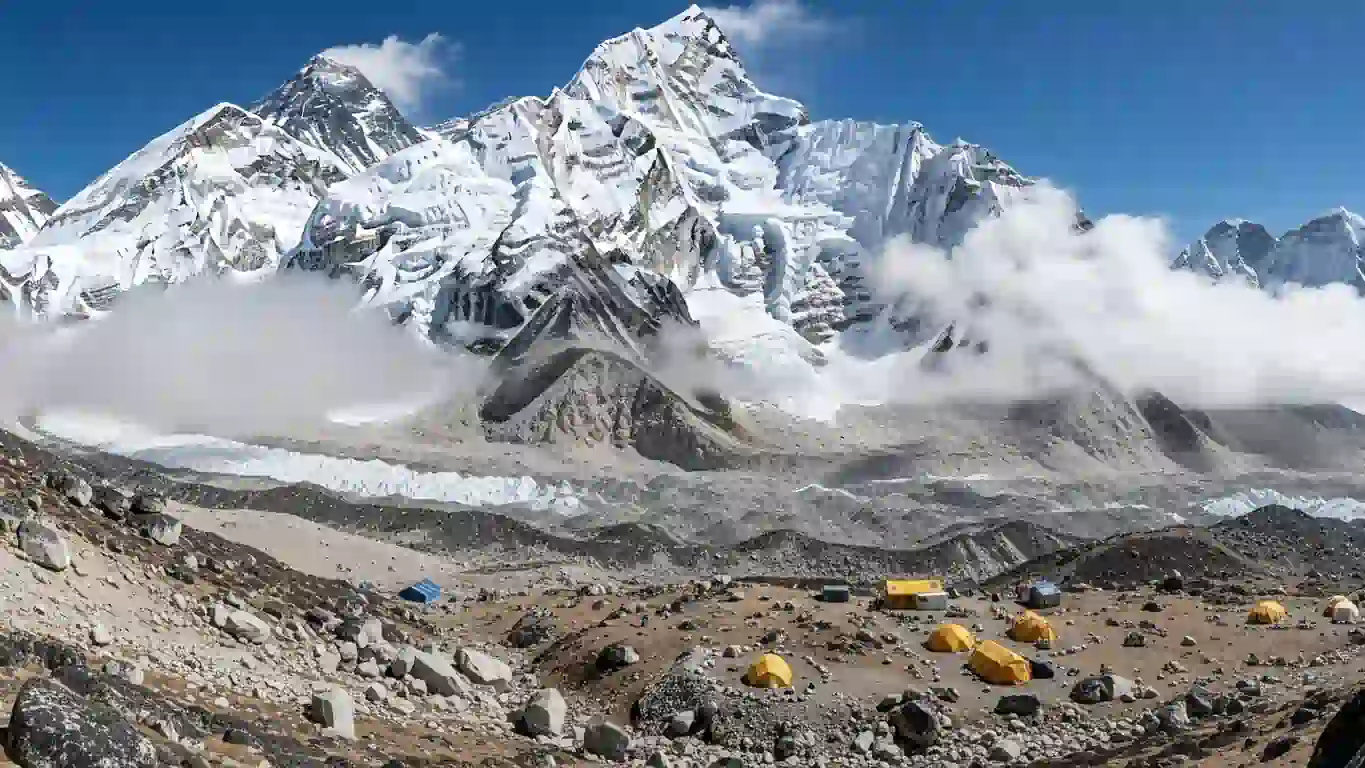
Everest Advanced Base Camp is a high-altitude camp on Everest’s northern side in Tibet. Climbers use it to rest, acclimatize, and prepare for summit attempts. Trekkers often visit ABC to experience extreme elevation without technical climbing. It sits above the standard Everest Base Camp and marks the start of serious high-altitude terrain.
How High Is Advanced Base Camp on Everest?
Advanced Base Camp on Everest is located at 6,400 meters (21,000 feet) above sea level. This elevation makes it one of the highest trekking-accessible points in the world. Trekkers face thin air, low oxygen levels, and extreme weather conditions. Proper acclimatization and preparation are essential to reach it safely. The altitude also affects physical performance, sleep quality, and overall trekking pace.
Comparison with Everest Base Camp (Nepal side)
Everest Base Camp (EBC) in Nepal lies at 5,364 meters (17,598 feet), making it significantly lower than Advanced Base Camp (ABC) at 6,400 meters. This 1,036-meter difference greatly affects trekking difficulty and physical demands. Oxygen levels drop as altitude rises, so trekkers at ABC feel fatigue faster, breathe more heavily, and risk altitude sickness sooner than at EBC. Trail conditions at ABC are harsher, with steeper sections, loose rocks, and less established paths. Support infrastructure like teahouses and emergency services is limited, requiring careful planning, reliable guides, and self-sufficiency. Weather patterns are also more extreme at ABC, with stronger winds, colder temperatures, and sudden storms compared to the Nepal side EBC trek.
Why Altitude Matters at This Height?
At 6,400 meters, the air contains nearly half the oxygen found at sea level, which stresses the heart and lungs. Trekkers can experience headaches, dizziness, nausea, and difficulty sleeping due to reduced oxygen intake. Even simple physical tasks feel exhausting, and poor acclimatization can lead to severe altitude sickness or high-altitude pulmonary/cerebral edema. The body requires rest days to adjust, and climbing too quickly increases risk of injury and illness. Cold exposure intensifies at this elevation, making frostbite, hypothermia, and wind chill serious concerns. Proper hydration, nutrition, and gradual ascent are critical to maintain energy, mental focus, and safety throughout the trek.
Is Advanced Base Camp Difficult to Reach?
Yes, Advanced Base Camp is difficult to reach for most trekkers. Its extreme altitude, harsh terrain, and remote location make the journey physically demanding. Trekkers face low oxygen levels, steep paths, and unpredictable weather. Proper acclimatization, fitness, and preparation are essential for a safe ascent. Without experience or guidance, reaching ABC carries high risks.
Physical Challenges Due to Extreme Altitude
The extreme altitude of Advanced Base Camp places enormous stress on the body. At 6,400 meters, oxygen levels are nearly half of those at sea level, making breathing laborious and causing rapid fatigue even during short walks. Trekkers often feel breathless carrying standard backpacks, and uphill sections intensify strain on leg muscles and joints. Reduced oxygen also slows recovery, increases heart rate, and can affect coordination. Proper endurance training, cardiovascular conditioning, and strength exercises before the trek are essential to cope with these physical demands on an everest expedition.
Risks of Altitude Sickness
Altitude sickness is a serious concern at ABC due to rapid elevation gain. Mild symptoms include headaches, nausea, dizziness, and shortness of breath, but severe forms can develop into life-threatening conditions such as high-altitude pulmonary edema (HAPE) or high-altitude cerebral edema (HACE). Even experienced trekkers can be affected if ascent is too fast. Prevention requires gradual acclimatization, adequate hydration, balanced nutrition, and careful monitoring of physical signs. Immediate descent is critical if severe symptoms appear, as delays can endanger life.
Related Article: https://marveltreks.com/is-expedition-everest-scary/
Weather, Terrain, and Remoteness Factors
ABC faces extreme weather, including sub-zero temperatures, strong winds, and sudden snowstorms. Trails are steep, rocky, and uneven, with icy or loose gravel sections that increase the risk of falls. Limited infrastructure means few shelters, sparse emergency services, and minimal resupply options. Trekkers must carry essential gear, emergency equipment, and sufficient supplies for unforeseen delays. Planning must account for sudden weather changes, slower progress, and the need for flexibility in itineraries.
Who Should Attempt Advanced Base Camp?
Advanced Base Camp is suitable for trekkers with prior high-altitude experience and strong physical fitness. Mental resilience and preparedness for isolation, extreme weather, and challenging terrain are critical. Beginners, those with health issues, or individuals lacking endurance should avoid ABC. Guided expeditions with professional support teams, proper acclimatization schedules, and medical readiness significantly increase safety and success chances. Careful preparation ensures a rewarding, safe, and memorable high-altitude trekking experience.
Everest Base Camp vs Advanced Base Camp
Everest Base Camp (EBC) in Nepal sits at 5,364 meters, while Advanced Base Camp (ABC) reaches 6,400 meters, making ABC significantly higher. Trekking routes differ: EBC offers well-established trails and facilities, whereas ABC involves remote paths with fewer shelters. Permit and logistics requirements vary by country, with Tibet needing special permits for ABC. Difficulty and risks increase at ABC due to altitude, harsh weather, and limited support.
| Feature | Everest Base Camp (EBC) | Advanced Base Camp (ABC) |
| Altitude | 5,364 meters (17,598 ft) | 6,400 meters (21,000 ft) |
| Route Access | Well-marked trails with teahouses | Remote, rugged paths with minimal shelters |
| Permits Required | Nepal trekking permit and TIMS card | Tibet travel and special trekking permits |
| Facilities | Numerous teahouses, medical points, and guides | Very limited facilities, self-sufficiency required |
| Difficulty Level | Moderate-high | High, physically demanding |
| Altitude Risk | Moderate | High, significant risk of altitude sickness |
| Best for | Beginner to intermediate trekkers | Experienced high-altitude trekkers |
How to Prepare for Advanced Base Camp Trek?
To prepare for Advanced Base Camp, trekkers must focus on physical conditioning, proper acclimatization, and careful planning of gear, logistics, and mental readiness. High-altitude trekking demands endurance, strength, and resilience. Gradual exposure to elevation, strategic rest days, and professional guidance improve safety and success. Preparation also includes learning about terrain, weather, and potential risks to reduce emergencies during the trek.
Related Article: https://marveltreks.com/how-to-prepare-for-everest-base-camp-trek/
Physical Fitness and Endurance Training
Trekkers must develop both cardiovascular endurance and muscular strength to cope with the extreme demands of ABC. Cardiovascular training should include long-distance running, cycling, stair climbing, and hiking with weighted backpacks to simulate load-bearing at altitude. Strength training for legs, core, and back improves balance and stability on steep, uneven terrain. Flexibility exercises help prevent injuries caused by sudden slips or falls. Training should be consistent for at least 3–6 months prior to the trek, gradually increasing intensity to mimic high-altitude exertion. Physical preparedness directly affects stamina, recovery speed, and ability to handle daily treks of 5–8 hours at low oxygen levels.
Acclimatization Strategy
Proper acclimatization is critical to prevent altitude sickness, which can escalate quickly at ABC’s 6,400 meters. Trekkers should plan rest days every 300–500 meters of elevation gain, and follow the “climb high, sleep low” principle. Shorter practice treks above 3,500 meters before ABC help the body adapt to lower oxygen levels. Monitoring physical symptoms such as headache, dizziness, nausea, or unusual fatigue is essential, with immediate descent if severe signs appear. Hydration, light meals, and adequate sleep further support acclimatization. Effective acclimatization reduces risks of HAPE, HACE, and other altitude-related complications.
Essential Gear and Clothing
Gear selection is critical for survival and comfort at ABC. Layered clothing including base layers, insulated jackets, windproof shells, and thermal accessories protect against hypothermia and frostbite. Trekking boots must be sturdy and broken-in to prevent blisters, while gloves, hats, and gaiters shield extremities from frost. Carrying high-calorie food, water purification tools, first-aid kits, and trekking poles ensures energy, safety, and stability. Oxygen supplies may be necessary for sensitive trekkers. All equipment should be tested in advance under similar conditions to avoid failure at high altitude.
Mental Preparation and Experience Level
ABC presents both physical and psychological challenges due to isolation, harsh weather, and continuous exertion. Previous high-altitude trekking experience helps build confidence, improves decision-making, and reduces panic during difficult sections. Mental training includes stress management, focus exercises, visualization techniques, and practicing patience during long, strenuous treks. Understanding personal limits and preparing for setbacks enhances safety and morale. Mental readiness allows trekkers to maintain endurance, follow acclimatization protocols, and handle emergencies calmly.
Importance of Guides and Support Team
Professional guides and support staff significantly increase safety and success rates at ABC. Guides provide route knowledge, altitude advice, and weather updates, reducing navigation errors and exposure to risks. Support teams manage food, lodging arrangements, medical emergencies, and equipment transport, allowing trekkers to conserve energy. Experienced operators can quickly respond to altitude sickness, sudden storms, or injuries. Hiring certified guides ensures proper acclimatization schedules, logistical efficiency, and emergency preparedness, making the trek safer and more enjoyable.
Can beginners trek to Advanced Base Camp?
No, beginners should not trek to Advanced Base Camp. The extreme altitude of 6,400 meters, combined with harsh terrain and limited facilities, makes it unsuitable for those without prior high-altitude experience. Rapid changes in weather and low oxygen levels increase the risk of altitude sickness. Only trekkers with strong physical fitness, prior acclimatization experience, and proper guidance should attempt ABC. Attempting it without preparation can be dangerous and potentially life-threatening.
How long does it take to reach Everest Advanced Base Camp?
Reaching Everest Advanced Base Camp typically takes 18 to 22 days, including acclimatization days. The duration depends on the chosen route, weather conditions, and individual fitness levels. Trekkers usually spend several days gradually ascending to higher camps to reduce altitude sickness risk. Remote terrain, unpredictable weather, and necessary rest days can extend the trek slightly. Proper planning ensures a safe and manageable pace throughout the journey.
Best season to visit Advanced Base Camp
The best season to visit Advanced Base Camp is during spring (late April to early June) and autumn (September to early October). These periods offer stable weather, clear skies, and moderate temperatures. Trekking outside these windows increases risks of heavy snow, storms, and extreme cold. Choosing the right season significantly improves safety and overall trekking experience.
Spring Season (Late April to Early June)
Spring provides clear skies, moderate temperatures, and relatively dry trails, making it ideal for trekking. Snow from winter begins to melt, reducing icy patches and improving trail accessibility. Flora starts to bloom at lower elevations, adding scenic beauty to the journey. Popularity is high during this season, so permits and accommodations should be arranged in advance.
Autumn Season (September to Early October)
Autumn offers stable weather after the monsoon, with crisp air and excellent visibility of Everest and surrounding peaks. Trails are generally dry, minimizing the risk of landslides or slippery paths. Cooler temperatures reduce the risk of overheating during long treks. This season is preferred for clear photography and safer high-altitude trekking conditions.
Conclusion
Advanced Base Camp on Everest offers trekkers a unique high-altitude experience, standing at 6,400 meters above sea level. Its extreme elevation, harsh terrain, and remote location make it one of the most challenging trekking destinations in the world. Compared with Everest Base Camp in Nepal, ABC requires greater physical endurance, careful acclimatization, and strong mental resilience. Understanding the altitude, risks, and preparation requirements is crucial before attempting this trek.
Successful completion of ABC depends on thorough planning, proper gear, physical conditioning, and professional guidance. Trekkers must respect altitude limits, follow acclimatization schedules, and monitor their health throughout the journey. While beginners should avoid ABC, experienced trekkers can enjoy breathtaking views, a sense of achievement, and a truly immersive high-altitude adventure. Preparation, patience, and safety awareness ensure a rewarding and memorable trek to Everest Advanced Base Camp.
How high is Everest Advanced Base Camp?
Everest Advanced Base Camp is at 6,400 meters or about 21,000 feet above sea level. It is one of the highest trekking-accessible camps in the world.
Is Advanced Base Camp higher than Everest Base Camp?
Yes. Advanced Base Camp is about 1,036 meters higher than Everest Base Camp on the Nepal side at 5,364 meters.
Is trekking to Advanced Base Camp dangerous?
It carries higher risk due to extreme altitude and isolation. Proper acclimatization and professional support significantly reduce the danger.
Can beginners go to Advanced Base Camp?
It is not recommended for beginners. Prior high-altitude trekking experience is strongly advised.
Do you need a climbing permit for Advanced Base Camp?
No climbing permit is required, but special Tibet travel and trekking permits are mandatory. These are arranged through authorized tour operators.
How long does it take to reach Advanced Base Camp?
The trek usually takes 18 to 22 days including acclimatization. The duration depends on the route and weather conditions.
What is the best time to visit Advanced Base Camp?
Late April to early June and September to early October are best. These periods offer more stable weather and safer conditions.
Is altitude sickness common at Advanced Base Camp?
Yes, altitude sickness is common at this elevation. Slow ascent, rest days, and medical supervision are essential.
Inquire Now
Planning Everest, Base Camp, or any Himalayan trek? Get expert guidance, cost details, and availability instantly.
💬 Chat on WhatsApp📞 Chat on Viber