
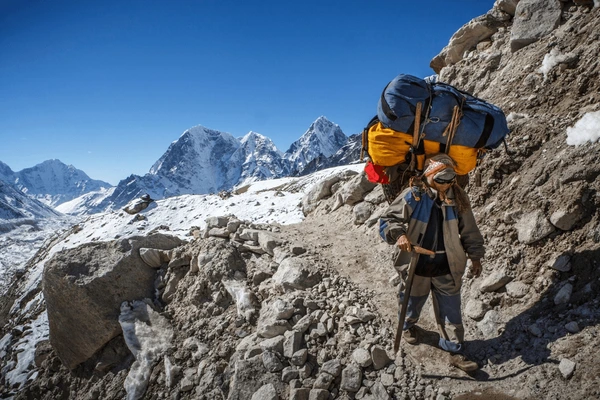
Everest Base Camp Trek Difficulty: Difficulty Level and How to Reduce It?
Many trekkers feel unsure before committing to this Himalayan journey. Confusion often comes from mixed opinions about endurance, altitude stress, cold weather, or daily walking hours. Fear grows when people imagine thin air, steep trails, and sleeping at high elevation with limited comfort.Everest Base Camp trek difficulty mainly comes from elevation gain rather than technical terrain. Trail paths remain well defined, yet oxygen levels drop sharply above three thousand meters.
This guide explains Everest Base Camp trek difficulty in simple terms. Content breaks down altitude impact, fitness demands, weather challenges, and daily distance factors. Practical steps show how trekkers reduce strain, manage energy, and improve safety through preparation, pacing, and smart planning.
About Everest Base Camp Trek
Everest Base Camp trek follows a classic Himalayan route leading toward Mount Everest south base camp at five thousand three hundred sixty four meters. Route begins with a flight to Lukla, then continues through Sherpa villages, suspension bridges, forests, and glacial valleys. Trail stays non technical, allowing strong walkers without climbing skills to complete journey.
This trek usually takes twelve to fourteen days including acclimatization stops. Daily walking ranges from five to eight hours depending on terrain and elevation gain. Experience offers close views of Everest, Lhotse, Nuptse, Ama Dablam, plus deep insight into Sherpa culture and mountain life.
How Difficult Is the Everest Base Camp Trek?
Everest Base Camp trek is moderate to challenging for most hikers due to altitude gain, long walking days, and cold mountain conditions. Path surfaces stay non technical, yet thin air slows movement and increases fatigue. Physical effort rises each day as elevation increases, similar to what trekkers experience on routes like the advanced base camp approach. Mental focus helps manage discomfort during colder nights and basic lodging. Preparation and pacing reduce overall strain.
Overall Difficulty Level Explained (Moderate to Challenging)
Difficulty level falls between moderate and challenging because oxygen drops sharply above three thousand meters. Body works harder with every step, even on gentle slopes. Daily hikes last several hours, which builds cumulative tiredness. Weather changes quickly, bringing cold winds and occasional snowfall. Acclimatization days lower risk when followed properly. Strong pacing strategy prevents energy loss during long ascents.
Is EBC Hard for First-Time Trekkers?
Everest Base Camp trek is achievable for first time trekkers who prepare well and respect altitude limits. Prior hiking experience helps, yet strict training remains unnecessary. Consistent walking pace, hydration focus, and rest days improve success chances. Mental patience matters as much as leg strength. Proper guidance further lowers difficulty for newcomers. Fitness discipline before arrival improves comfort during higher sections.
What Makes Everest Base Camp Trek Difficult?
Altitude exposure, daily distance, cold climate, uneven trail surfaces, and mental endurance make Everest Base Camp trek difficult. Oxygen reduction increases strain with each elevation gain. Long walking hours create cumulative tiredness over multiple days. Night temperatures drop sharply, affecting sleep quality. Stone steps and rocky paths stress joints. Slow pace requirement tests patience and focus. Weather uncertainty further adds pressure during higher sections.
Altitude Gain and Oxygen Level Drop
Altitude gain remains primary difficulty factor during this trek. Oxygen availability decreases significantly above three thousand meters, forcing heart and lungs to work harder. Simple walking feels exhausting despite gentle slopes. Headaches, appetite loss, and sleep disturbance appear without proper acclimatization. Gradual ascent with rest days allows body adjustment. Ignoring altitude signals increases serious health risk. Proper hydration supports oxygen efficiency inside bloodstream.
Long Walking Days and Daily Elevation Changes
Walking days stretch between five to eight hours across varied terrain. Continuous ascents followed by steep descents strain legs and knees. Energy loss builds daily without sufficient rest or nutrition. Pack weight adds further load on shoulders and back. Consistent pace management prevents early exhaustion. Short breaks help maintain stamina throughout route. Balanced meals sustain energy across long distances.
Cold Weather and Harsh Night Temperatures
Cold conditions intensify difficulty, especially during evenings and early mornings. Night temperatures often drop below freezing at higher villages. Thin walls and limited heating reduce sleep comfort. Cold exposure increases calorie demand and dehydration risk. Proper layering improves body heat retention. Quality sleeping gear supports recovery after long hikes. Warm hydration reduces nighttime chill effects.
Trail Terrain and Stone Staircases
Trail surface alternates between dirt paths, loose rocks, and stone staircases. Long stair sections around Namche and Tengboche challenge breathing rhythm. Uneven footing increases joint stress and balance demand. Wet or icy stones raise slip risk. Trekking poles provide stability support. Strong footwear protects ankles across rocky sections. Foot placement awareness lowers fall risk.
Mental Fatigue and Slow Pace Requirement
Mental strain grows as progress slows with altitude. Slow pace feels frustrating for trekkers expecting faster movement. Repetitive walking patterns test focus and patience. Isolation and basic lodging affect morale. Positive mindset improves endurance under strain. Group support helps manage emotional fatigue. Clear daily goals maintain motivation.
Physical Difficulty of EBC Trek
Physical effort shapes overall challenge during this journey. Continuous movement at high elevation stresses muscles and breathing capacity. Repeated climbs combined with long descents increase joint load. Carried gear adds strain across shoulders and spine. Recovery quality affects strength during following walking days. Body conditioning before arrival lowers physical strain.
Fitness and Endurance Demands
Fitness requirement centers on sustained endurance rather than speed. Body must handle five to eight hours of steady movement daily under reduced oxygen supply. Cardiovascular capacity supports controlled breathing during uphill stretches. Leg strength helps maintain rhythm across prolonged ascents. Core stability improves posture while crossing uneven ground. Pre trek conditioning through long walks builds fatigue tolerance. Stair climbing practice prepares legs for repeated elevation gain.
Impact on Knees, Legs, and Back
Knees absorb repeated shock during downhill sections and stone staircases. Thigh muscles work continuously to control descent speed. Calves tighten due to frequent uphill pushing. Back discomfort appears from forward lean and pack pressure. Poor posture increases spinal stress over time. Trekking poles transfer load away from joints. Stretching routines reduce stiffness after each day.
Pack Weight and Daily Recovery
Pack weight influences fatigue level more than distance alone. Extra load raises heart rate during climbs. Shoulder straps cause soreness without proper adjustment. Limited nighttime warmth slows muscle repair. Hydration supports tissue recovery after long effort. Balanced meals restore energy reserves. Light packing improves comfort and shortens recovery time.
Altitude Difficulty and Risk Factors
Altitude creates serious challenge during this trek. Oxygen pressure drops steadily with elevation gain. Body adaptation determines safety and comfort. Poor acclimatization increases health risk. Awareness of symptoms prevents emergency situations. Proper planning reduces altitude related danger.
Altitude Sickness (AMS) Risk
Altitude sickness risk rises above three thousand meters. Reduced oxygen limits blood saturation, causing physical stress. Common symptoms include headache, nausea, dizziness, and appetite loss. Sleep disturbance worsens fatigue during walking hours. Ignoring early signs increases chance of severe complications. Slow ascent lowers AMS probability. Hydration supports circulation at altitude.
Why Acclimatization Is Critical?
Acclimatization allows body to adjust gradually to lower oxygen levels. Scheduled rest days improve red blood cell production. Skipping acclimatization increases strain on heart and lungs. Proper ascent profile reduces breathing difficulty during climbs. Short acclimatization hikes help adaptation process. Consistent pacing supports oxygen efficiency. Rest discipline protects long term health.
Signs That Difficulty Is Becoming Dangerous
Danger signs include severe headache, persistent vomiting, and loss of coordination. Shortness of breath during rest indicates serious condition. Confusion or unusual fatigue signals urgent risk. Rapid descent becomes necessary once symptoms escalate. Medical attention prevents life threatening outcomes. Early reporting improves response success. Group awareness strengthens safety control.
Is Everest Base Camp Trek Harder Than Other Treks in Nepal?
Yes, Everest Base Camp trek is harder than many popular treks in Nepal mainly due to higher altitude, longer duration, and cumulative fatigue. Oxygen reduction affects walking speed and recovery. Cold nights increase physical stress. Extended days add endurance demand. Mental patience becomes essential. Weather variability further intensifies effort level.
EBC vs Annapurna Base Camp
Everest Base Camp trek feels harder than Annapurna Base Camp trek because elevation rises much higher. Annapurna Base Camp reaches around four thousand one hundred meters, while EBC climbs above five thousand three hundred meters. Oxygen level difference increases breathing difficulty on EBC route. Walking days remain longer in Khumbu region. Colder temperatures add strain near Everest area. Acclimatization importance rises more sharply on EBC trail. Recovery periods feel shorter at higher camps.
EBC vs Langtang Valley Trek
Everest Base Camp trek also presents greater challenge compared to Langtang Valley trek. Langtang route peaks below five thousand meters, allowing easier oxygen adaptation. Shorter itinerary reduces cumulative fatigue. Trail traffic stays lighter with warmer night conditions. EBC requires stronger endurance due to longer duration. Altitude exposure remains main separating factor. Mental resilience demand stays higher on EBC route.
Why Altitude Makes EBC Feel Harder?
Altitude makes EBC feel harder because oxygen availability drops sharply beyond four thousand meters. Reduced oxygen slows walking pace even on gentle slopes. Body recovery weakens overnight at higher camps. Appetite loss lowers daily energy intake. Cold air increases breathing demand during movement. Combined effects magnify effort level during final approach. Small exertion feels strenuous at high elevation.
How to Reduce Everest Base Camp Trek Difficulty?
To reduce Everest Base Camp trek difficulty, trekkers must prepare body, manage pace, carry proper gear, and follow strict recovery habits. Training builds stamina for long uphill days. A slow rhythm protects lungs during thin air sections, following proven preparation tips for EBC trek that reduce altitude stress. Correct layers prevent cold stress at night. Food and water keep energy stable. Sleep discipline improves next day strength.
Proper Fitness Training Before the Trek
Reduce Everest Base Camp trek difficulty through fitness training that builds endurance and leg strength. Train with long walks three to five times each week. Add uphill hiking, stair climbing, or incline treadmill sessions for climbing strength. Include weighted daypack practice to copy trail load. Build core strength to protect back during long days. Add mobility work for ankles, hips, plus knees to reduce joint pain. Start training at least six to eight weeks before departure for better adaptation.
Slow Pacing and Rest-Day Planning
Lower trek strain through slow pacing plus planned acclimatization stops. Walk with short steps and steady breathing on climbs. Keep heart rate controlled instead of chasing faster trekkers. Use rest days at Namche Bazaar and Dingboche, then do acclimatization hikes during daylight. Follow climb high sleep low habit to support oxygen adaptation. Stop early when headache or nausea appears, then inform guide. Maintain consistent start time each morning to avoid late arrival fatigue.
Correct Gear and Clothing Choices
Cut discomfort by using gear that protects warmth, feet, and joints. Choose broken in boots with ankle support plus solid grip. Wear moisture wicking base layers, insulating mid layers, plus windproof outer shell. Pack warm hat, neck gaiter, plus gloves for cold mornings. Carry trekking poles to reduce knee impact on descents. Use quality sleeping bag rated for sub zero nights at higher villages. Keep pack weight low by removing unused items.
Hydration, Nutrition, and Sleep Discipline
Reduce fatigue by keeping water intake, food timing, plus sleep routine consistent. Drink small amounts often, then add electrolytes during long climbs. Eat frequent high carb meals to support energy at altitude. Add protein during dinner for muscle repair. Avoid alcohol, then limit caffeine late afternoon to protect sleep. Keep sleeping setup warm using dry socks plus liner gloves. Report poor sleep, then adjust layers or room choice for better rest.
Trek With an Experienced Trekking Company
Marvel Treks reduces Everest Base Camp trek difficulty through structured planning, trained guides, and controlled pacing. Professional support lowers health risk during altitude gain. Logistics management removes daily decision stress. Route knowledge improves safety during weather changes. Emergency readiness adds protection at higher villages. Guided support improves success rate and overall comfort.
Why Professional Support Lowers Difficulty?
- Guides control walking pace to match altitude conditions
- Acclimatization schedules follow proven ascent profiles
- Health checks detect early altitude related symptoms
- Route management avoids unnecessary elevation strain
- Logistics handling reduces physical and mental load
- Emergency response plans improve safety margin
- Local knowledge improves daily decision quality
How Marvel Treks Helps Reduce Difficulty?
Marvel Treks applies altitude focused trekking protocols to lower physical and mental strain. Experienced guides monitor oxygen response, walking rhythm, and recovery signs each day. Fixed acclimatization stops at Namche Bazaar and Dingboche support safer elevation gain. Support staff manage meals, lodging coordination, and daily timing to prevent fatigue buildup. Emergency oxygen, communication devices, and evacuation planning increase safety readiness. Small group structure allows pace adjustment based on individual condition. This approach reduces Everest Base Camp trek difficulty while improving confidence and completion comfort.
Who Should Avoid Everest Base Camp Trek?
People with serious health risks should avoid Everest Base Camp trek due to altitude stress and physical demand. Individuals with unstable medical conditions face higher danger during oxygen drop. Poor fitness increases injury and exhaustion risk. Limited mobility creates difficulty on long walking days. Inability to follow slow pace raises altitude sickness chance. Medical clearance remains essential before planning.
Medical Conditions That Increase Risk
Heart disease increases danger because reduced oxygen strains cardiovascular function. Chronic lung conditions such as asthma or COPD limit breathing efficiency at altitude. Uncontrolled high blood pressure raises risk of stroke or heart failure. Severe anemia reduces oxygen transport capacity in blood. History of altitude sickness increases recurrence probability. Diabetes without strict control complicates energy balance and wound healing. Sleep apnea worsens oxygen deprivation during nights. Recent surgery or ongoing medication requiring monitoring adds further risk.
Fitness and Age Considerations
Low endurance level increases fatigue during long uphill sections. Weak leg strength raises knee and ankle injury probability on descents. Poor balance affects safety on rocky trails and stone staircases. Very young children struggle with altitude adaptation and cold exposure. Older adults with active lifestyle often succeed, yet sedentary seniors face higher risk. Recovery speed slows with age, increasing cumulative exhaustion. Regular training before trek improves suitability across age groups.
Is Everest Base Camp Trek Worth the Difficulty?
Yes, Everest Base Camp trek is worth the difficulty for trekkers prepared for physical effort and altitude stress. Reward value outweighs discomfort for most participants. Experience offers rare mountain access and personal growth. Challenge strengthens mental resilience. Long term memories justify short term strain.
Rewards vs Physical Challenge
Physical challenge tests endurance through long walking days, cold nights, and thin air. Rewards include close views of Everest, Lhotse, Nuptse, plus Khumbu glaciers. Cultural exposure within Sherpa villages adds meaning beyond scenery. Achievement comes from adapting to altitude without technical climbing. Natural beauty balances effort across daily sections. Every hardship connects directly to gained experience.
Sense of Achievement
Reaching base camp delivers strong personal accomplishment. Completion proves physical discipline and mental patience. Each elevation gain builds confidence through controlled effort. Overcoming discomfort strengthens self belief. Shared success with trekking group increases satisfaction. Memory value remains long after physical fatigue fades.
Conclusion
Everest Base Camp trek difficulty stays within moderate to challenging range for most trekkers. Altitude gain creates primary strain, while long walking days, cold nights, plus uneven trails add steady pressure on body and mind. Oxygen drop slows pace even on gentle slopes, which increases fatigue across successive days. Physical discomfort often comes from knees, legs, back, plus reduced sleep quality at higher villages. These factors explain why many people perceive this trek as hard despite non technical paths.
Correct clothing, footwear, plus light packing reduce physical stress. Hydration, balanced meals, plus sleep discipline support daily recovery. Guided support from experienced trekking companies further lowers risk through pace control, health monitoring, plus logistics handling. Smart planning transforms challenge into achievable adventure with lasting reward.
Is Everest Base Camp trek very difficult?
Yes, Everest Base Camp trek is moderate to challenging due to altitude, long walking days, plus cold conditions. Proper preparation keeps difficulty manageable.
Can beginners complete EBC trek?
Yes, beginners can complete EBC trek with basic fitness, slow pacing, plus acclimatization. Prior trekking experience helps but remains unnecessary.
Which part of EBC trek is hardest?
High altitude sections above Dingboche feel hardest because oxygen levels drop sharply. Final approach toward base camp demands strongest endurance.
How many hours do you walk each day?
Most days involve five to eight hours of walking. Duration depends on elevation gain plus trail condition.
How cold does it get during the trek?
Night temperatures fall below freezing at higher villages. Daytime conditions remain cold with wind exposure.
Does altitude make EBC dangerous?
Yes, altitude increases risk if acclimatization gets ignored. Slow ascent reduces danger significantly.
How fit should you be for EBC?
Good walking endurance plus leg strength remain essential. Ability to hike several hours daily matters most.
Is EBC harder than Annapurna Base Camp?
Yes, EBC is harder due to higher altitude plus longer duration. Oxygen reduction increases effort level.
Inquire Now
Planning Everest, Base Camp, or any Himalayan trek? Get expert guidance, cost details, and availability instantly.
💬 Chat on WhatsApp