
Cost of K2 Expedition: Average Cost and Determining Factors
Many climbers dream of conquering K2, yet hesitate when confronted with unpredictable expenses and complex logistics. Expedition fees often surprise even seasoned adventurers, leaving them unsure where to start. Selecting a company or route without clear cost understanding can result in unexpected delays or financial strain. Understanding the full scope of expenses beforehand can save both time and stress.
In this blog, we break down How Much Does K2 Expedition Cost? You’ll discover typical expense ranges—which for the 2026 season generally sit between $45,000 and $100,000+, along with the specific factors that drive these prices, such as elite 1:1 Sherpa ratios and the technical “lifeline” of supplemental oxygen. We’ll also highlight practical tips to plan efficiently and make informed choices before setting off on the climb. By the end, you’ll have a clear roadmap to prepare financially and logistically for K2 Mountain, ensuring you have the “oxygen bank” and tactical support needed to navigate the Savage Mountain safely.
Brief Overview of the K2 Expedition
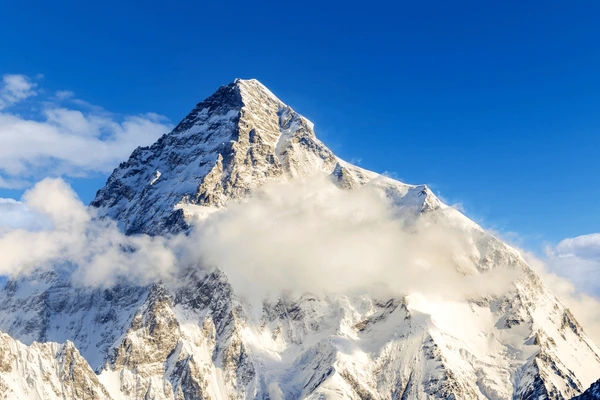
K2 mountain, located in the Karakoram range on the Pakistan-China border, stands at 8,611 meters, making it the world’s second-highest mountain. Often called the “Savage Mountain,” K2 is notorious for steep inclines, unstable weather, and technical climbing challenges. Unlike Everest, which sees more commercial expeditions and established routes, K2 demands advanced mountaineering skills, careful planning, and resilience against extreme conditions.
Expeditions usually begin with trekking to base camp, which itself can take several days through rugged terrain. Climbers spend weeks acclimatizing at various camps along the route, gradually preparing for higher altitudes. Each stage requires careful coordination of supplies, high-quality gear, and support from experienced guides and Sherpas. Success on K2 depends not only on physical fitness but also on meticulous risk management and strategic decision-making in unpredictable conditions. Teams must be prepared for sudden weather changes, avalanches, and technical climbing sections that demand expertise with ropes, ice axes, and crampons, a set of skills essential for anyone attempting the best mountains to climb in asia.
How Much Does K2 Expedition Cost?
K2 expedition usually costs between $35,000 and $60,000 per climber, depending on the level of support, duration, and route chosen. This estimate includes permits, guides, equipment, and logistics but can rise significantly for premium services or last-minute arrangements. Weather delays, evacuation insurance, and specialized gear also add to the total. Planning ahead and selecting a reliable operator can help manage costs effectively.
🏔 Start Your K2 Expedition Journey
Factors That Determine K2 Expedition Cost
Several elements influence the overall cost of a K2 expedition, from mandatory government fees to the quality of guides, logistics, and gear. Each factor can significantly increase or reduce expenses depending on choices made before and during the climb. Understanding these elements helps climbers plan realistic budgets and avoid unexpected costs.
Government Permits and Climbing Fees
Climbing K2 requires permits issued by the Pakistan government. Permit fees vary by season and team size, generally ranging from $6,000 to $12,000 per climber. These fees grant legal access to the mountain and cover environmental and safety regulations enforced by authorities. Failure to obtain proper permits can lead to fines, denied access, or expedition cancellation. Early application is recommended to secure preferred dates and avoid last-minute price hikes.
Visa and Insurance
Travel visas for Pakistan are mandatory and can cost $100–$150 depending on nationality and processing type. High-altitude insurance is also crucial, covering medical emergencies, evacuation, and accidental death. Insurance premiums fluctuate based on age, health, and coverage limits. Comprehensive coverage is non-negotiable due to K2’s extreme risks. Planning ahead for visas and insurance prevents delays that could affect expedition schedules.
Expedition Operator and Logistics
Operators handle camp setup, route planning, and supply transportation. Costs depend on the reputation of the company, number of support staff, and level of service. Well-established operators typically charge higher fees but reduce risks through professional planning and reliable equipment delivery. Logistics include base camp management, food supply, and coordination of climbing schedules. Choosing a reliable operator ensures smooth operations and avoids costly mistakes.
Guide, Sherpa, and High Altitude Porter Support
Experienced guides and Sherpas provide technical support, carry loads, and assist with safety measures on dangerous sections. Hiring these professionals costs $10,000–$20,000 depending on team size and expertise. High-altitude porters, responsible for carrying supplies between camps, add another layer of expense but are vital for a successful climb. Properly trained staff increases success chances and minimizes accidents during the expedition.
Oxygen Use and Climbing Equipment
Although less commonly used on K2 than Everest, supplemental oxygen may be necessary for some climbers. Renting or purchasing oxygen systems can cost $3,000–$5,000. Technical climbing equipment, including tents, ropes, harnesses, crampons, and insulated clothing, can total $5,000–$8,000 per climber. Equipment quality directly affects safety and comfort. Investing in reliable gear reduces risks and ensures climbers are prepared for extreme conditions.
Rescue and Evacuation Coverage
Medical evacuation and emergency rescue services are critical for extreme altitudes. Coverage can cost $2,000–$5,000 per climber, depending on altitude limits and distance from base camp. Helicopter evacuation, high-altitude medical support, and contingency plans are included. Skipping this coverage exposes climbers to life-threatening financial and safety risks. Having robust emergency planning provides peace of mind throughout the expedition.
Travel, Food, and Accommodation
Flights to Pakistan, overland travel to the Karakoram, and stay at base or high camps influence costs. Depending on the season and itinerary, these expenses can range from $3,000–$6,000. Food supplies, fuel for cooking, and tents also form part of this cost. Planning these elements efficiently helps manage budget without compromising nutrition or comfort. Proper preparation prevents last-minute expenses and logistical issues.
Duration and Route of the Expedition
K2 expeditions typically last 6–8 weeks, including trekking to base camp, acclimatization, and ascent. Longer expeditions increase costs for food, guide salaries, equipment wear, and permit extensions. Route choice, such as the Abruzzi Spur versus other technical routes, impacts difficulty, support needs, and overall expense. Detailed planning ensures both safety and cost efficiency. Understanding the route and timeline allows climbers to optimize resources and reduce unnecessary spending while answering the critical logistical question: how many days does it takes to climb k2?
Let’s Plan Your Next Himalayan Adventure
Have questions about trekking, expeditions, or travel planning? Our expert team is here to help you design a safe and unforgettable journey in the Himalayas.
Hidden Costs on K2 Expedition
K2 expeditions involve several hidden costs that often catch climbers off guard. These can include last-minute gear replacements, extended base camp stays due to weather, or extra porter fees. Unexpected medical needs, helicopter evacuations, and supplemental oxygen also add to the total expense. Awareness of these potential costs allows climbers to plan a more accurate budget and avoid financial surprises during the climb.
Common Hidden Costs:
- Additional high-altitude gear not included in the package.
- Weather-related delays extending base camp or camp-to-camp stays.
- Extra food, fuel, or cooking supplies during prolonged expeditions.
- Emergency medical treatment or evacuation fees.
- Supplemental oxygen or technical climbing aids.
- Tips or bonuses for guides, Sherpas, and porters.
- Travel delays or permit extension fees due to unforeseen circumstances.
What is Average Cost of a K2 Expedition?
The average cost of K2 expedition is approximately $45,000 to $50,000 per climber. This estimate includes permits, guide and Sherpa support, high-altitude equipment, travel, and basic insurance. Costs can fluctuate based on expedition operator, route, and additional services such as supplemental oxygen or extended logistics. Planning in advance and selecting reputable providers helps manage expenses while ensuring safety and efficiency.
How to Get Value for Money on a K2 Expedition?
To get value for money on a K2 expedition, focus on selecting a trusted operator, planning carefully, and optimizing services rather than cutting costs blindly. Consider what is included in the package, compare group versus private climbs, and prepare physically to reduce risks. Avoid hidden fees by understanding the full scope of logistics, equipment, and insurance requirements. Smart preparation ensures safety while maximizing every dollar spent.
Choosing a Reliable Expedition Company
Selecting a reputable operator is the first step toward value. Marvel Treks, recognized as the best expedition company in Nepal, offers experienced guides, complete logistical support, and high safety standards. Their transparent pricing covers permits, camp setup, equipment transport, and Sherpa assistance. Choosing Marvel Treks reduces unexpected costs and ensures professional management of every expedition stage. Working with a reliable company minimizes risk while providing consistent support throughout the climb.
Comparing Inclusions Instead of Just Price
Low-cost packages may exclude critical services like high-altitude porters, emergency evacuation, or proper equipment. Compare what each operator includes, guides, food, transport, insurance, and base camp facilities, rather than focusing solely on the total price. Full inclusion often provides better safety, comfort, and efficiency, ultimately offering more value per dollar spent. Understanding inclusions prevents surprise expenses mid-expedition.
Group Expeditions vs Private Climbs
Group expeditions usually cost less per climber, sharing guides, porters, and logistics. Private climbs offer personalized support, flexible schedules, and faster decision-making but at higher prices. Evaluate your skill level, budget, and risk tolerance when choosing between the two. Group climbs maximize cost efficiency, while private climbs can provide faster response to emergencies and a more controlled ascent.
Avoiding Hidden and Extra Costs
Unexpected expenses often arise from last-minute equipment purchases, unplanned evacuations, or permit delays. Confirm all fees in advance, including base camp supplies, travel, and insurance. Clear communication with the operator prevents overlooked costs. Anticipating potential expenses allows climbers to budget accurately and avoid financial stress during the expedition.
Preparing Physically to Reduce Risk and Expense
Physical fitness directly impacts success and reduces reliance on extra support, which can be costly. Rigorous training improves endurance, acclimatization, and safety, decreasing the likelihood of delays or emergency evacuations. Well-prepared climbers can carry personal loads efficiently and require fewer supplementary services. Investing in training before the climb lowers overall costs and enhances the expedition experience.
Tips to Reduce Unnecessary Costs on a K2 Expedition
Reducing unnecessary costs on a K2 expedition requires careful planning, early bookings, and prioritizing essential services. Choosing the right operator, preparing physically, and selecting shared resources when possible can save significant money. Awareness of potential extra expenses and negotiating clear terms in advance helps prevent surprises. Efficient planning ensures climbers spend wisely without compromising safety or quality.
Book Early and Plan Ahead
Reserving permits, flights, and operator services well in advance often secures lower rates and guarantees availability during peak climbing seasons. Early planning allows better coordination of guides, porters, and logistics, avoiding costly last-minute changes. Booking early also provides time to compare multiple operators and packages, ensuring climbers get the best value for their investment.
Choose Shared Services When Possible
Joining group expeditions or sharing porters and support staff reduces individual costs significantly. Group arrangements lower fees for guides, transport, and accommodation at base camp or high camps. Sharing logistical resources also minimizes waste, ensures more efficient use of supplies, and allows climbers to benefit from collective experience and safety support.
Prioritize Essential Gear and Equipment
Focus on purchasing or renting only high-quality gear that is essential for safety and performance, such as climbing harnesses, crampons, and insulated clothing. Avoid buying unnecessary or redundant items that add extra weight and cost. Renting some equipment or sharing among group members can also reduce expenses while ensuring climbers remain fully prepared for extreme conditions.
Prepare Physically to Minimize Support Needs
Rigorous training before the expedition reduces dependence on additional guides, porters, or supplemental oxygen, which can be expensive. Strong fitness improves acclimatization, efficiency during climbs, and reduces the likelihood of emergencies. Well-prepared climbers can carry their own loads, complete stages faster, and avoid delays, directly lowering the overall expedition cost.
Conclusion
Planning a K2 expedition requires more than ambition; understanding the costs and factors involved is essential for success. From government permits and insurance to guides, equipment, and logistics, every element contributes to the overall budget, which typically ranges from $45,000 to $100,000+ for the 2026 season. Proper preparation, careful selection of the best expedition and trekking company in Nepal, Marvel Treks, and awareness of hidden expenses like last-minute gear or extended base camp stays help climbers manage funds effectively while maintaining safety.
By focusing on value rather than simply reducing costs, climbers can ensure a safer, more efficient, and enjoyable expedition. Early planning, physical training, and smart decisions on shared services, equipment, and support not only control expenses but also increase the chances of a successful summit. A well-planned approach transforms a K2 climb from a financial gamble into a rewarding adventure.
How much does a K2 permit cost?
K2 climbing permits generally range from $6,000 to $12,000 per climber, depending on season, team size, and route. These fees are mandatory and cover government access, environmental regulations, and basic support services.
Is K2 more expensive than Everest?
Yes, K2 expeditions usually cost more due to higher logistical challenges, fewer support services, and extreme technical difficulty. Everest sees more commercial traffic, which can lower costs compared to K2’s remote and demanding environment.
Can I climb K2 without a guide?
Technically possible, but not recommended. Experienced guides provide navigation, safety management, and support for high-altitude conditions. Attempting K2 without professional assistance significantly increases risk.
Are rescue costs included in the expedition fee?
Most standard packages do not automatically include rescue or helicopter evacuation costs. These services usually require additional insurance or special arrangements with the operator.
What hidden costs should I expect?
Hidden costs can include last-minute gear purchases, extended base camp stays, supplemental oxygen, tips for guides or porters, and emergency evacuations. Planning and clear communication with your operator helps minimize these expenses.
How early should I book a K2 expedition?
Booking at least 6–12 months in advance is recommended. Early reservations secure permits, flights, guides, and equipment, and often reduce overall costs.
Does weather affect overall expedition cost?
Yes, adverse weather can extend the climb, increasing food, accommodation, guide fees, and insurance expenses. Delays are common, so budget for weather-related contingencies.
Is a K2 expedition worth the cost?
For experienced climbers, the challenge, achievement, and adventure justify the expense. Proper planning and a reputable operator make the climb safer, maximizing the value of every dollar spent.

Ready for your next Himalayan adventure?
Plan Your Next Big Adventure with Us
Explore Our AdventuresJoin our expert-guided journeys across Nepal and beyond, from classic trails to epic summits.