
Packing for Trekking in Nepal: Complete Guide 2026
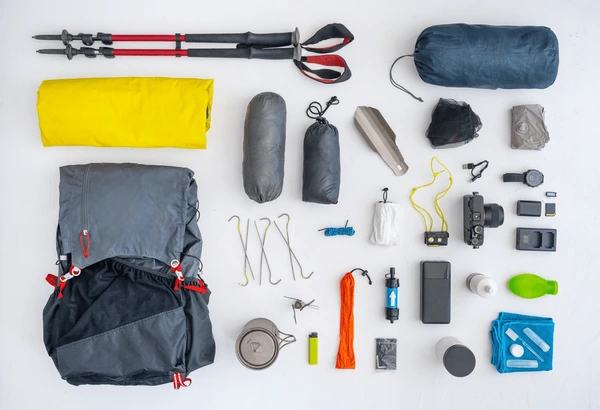
Many trekkers struggle with packing decisions before Nepal journeys. Some carry too much weight, while others miss critical items needed at altitude. Trekking conditions change quickly due to elevation gain, weather shifts, and remote trail access. Overpacking increases fatigue, yet underpacking risks cold exposure and safety issues. Confusion grows because advice often stays generic.
In this guide, content explains what to pack for trekking in Nepal with clear, practical direction. Sections adjust packing by altitude, season, and trek duration. Guidance focuses on clothing, gear, essentials, and preparation mistakes to avoid. This checklist helps trekkers stay light, warm, and prepared throughout Nepal trekking routes.
Overview of Trekking in Nepal
Trekking in Nepal covers diverse regions including Everest, Annapurna, Langtang, Manaslu, and remote Himalayan valleys. Terrain changes from forest trails and stone steps to glacial paths and high passes. Most popular routes use teahouse trekking, where lodges provide meals and beds. Camping trekking supports remote or restricted areas with full logistical support. Smart packing matters because altitude, weather, and limited resupply affect comfort and safety. Carrying unnecessary weight increases fatigue, while missing essentials creates risk in cold and remote conditions.
What to Pack for Trekking in Nepal?
You can pack light but essential items that balance warmth, weight, and safety during Nepal treks. Focus on layered clothing, reliable footwear, basic sleeping gear, and personal safety items. Packing should match altitude, season, and trek length to avoid fatigue and exposure. Smart choices reduce strain during long walking days. Proper packing also improves comfort and recovery on trail.
Clothing and Layering Essentials
Clothing system for trekking in Nepal must handle wide temperature shifts within same day. Morning starts cold, daytime warms during climbs, then temperatures drop fast after sunset. Layering allows adjustment without stopping movement. Fabric choice affects sweat control and heat retention. Seasonal change determines insulation level required.
- Moisture wicking base layers for upper and lower body.
- Thermal base layer for cold mornings and nights.
- Insulating mid layer such as fleece or light down jacket.
- Heavy down jacket for high altitude or winter treks.
- Windproof and waterproof outer shell jacket.
- Trekking pants with quick dry material.
- Extra dry clothing reserved only for sleeping.
Footwear and Walking Gear
Footwear quality decides comfort and injury risk on Nepal trails. Uneven terrain, stone steps, and long descents stress feet and knees. Proper socks prevent blisters and heat loss. Trekking poles reduce joint impact on steep sections. Gear must remain tested before arrival.
- Waterproof trekking boots with ankle support.
- Broken in boots used during training walks.
- Trekking socks made from wool or synthetic blend.
- Spare sock pairs for multi day use.
- Sock liners to reduce friction.
- Adjustable trekking poles for balance and knee relief.
- Gaiters for snow or dusty trails when required.
Backpack and Sleeping Items
Backpack and sleeping gear affect daily energy use and recovery quality. Carrying excess weight increases fatigue quickly at altitude. Sleeping comfort supports next day performance. Teahouse conditions vary by region and season. Gear choice should focus on warmth and portability.
- Daypack size between twenty five and thirty liters.
- Comfortable shoulder straps with supportive hip belt.
- Rain cover to protect contents.
- Sleeping bag rated minus ten to minus fifteen degrees Celsius.
- Compression sack to reduce packing volume.
- Sleeping bag liner for extra warmth and hygiene.
- Lightweight pillow or stuff sack for neck support.
Personal Gear and Accessories
Personal gear protects body from sun exposure, dehydration, and low visibility. Small items often make largest comfort difference. Safety accessories help during early starts and poor weather. Water safety remains critical at altitude. Accessories should remain lightweight and reliable.
- UV protected sunglasses for snow glare.
- Sunscreen with high SPF rating.
- Lip balm with sun protection.
- Headlamp with spare batteries.
- Reusable water bottles or hydration bladder.
- Water purification tablets or filter.
- Basic toiletry and personal hygiene items.
Best Time to Trek in Nepal and How Packing Changes
Best time to trek in Nepal depends on weather stability, temperature, and trail condition. Spring and autumn offer clear skies and moderate temperatures. Winter brings cold and snow at higher elevation. Monsoon adds rain and humidity on lower trails. Packing must adjust to each season to maintain safety and comfort.
Related Article: https://marveltreks.com/how-to-prepare-for-everest-base-camp-trek/
Spring and Autumn Packing Needs
Spring and autumn trekking requires balanced layering due to moderate daytime warmth and cold mornings. Weather remains stable with low precipitation. Layer control helps manage body temperature during climbs and rest periods. Wind exposure increases at higher passes. Proper sun protection remains essential.
- Lightweight moisture wicking base layers.
- Insulating mid layer for early mornings.
- Windproof outer shell for ridges.
- Light down jacket for evenings.
- Trekking pants with quick dry fabric.
- Sun hat and sunglasses.
- Gloves for cold mornings.
Winter and Monsoon Packing Adjustments
Winter and monsoon seasons require extra protection against cold or moisture. Snow and rain increase exposure risk. Insulation and waterproofing become priority. Trail conditions demand better grip and dryness. Packing errors increase safety risk.
- Heavy down jacket for winter cold.
- Thermal base layers for extended warmth.
- Waterproof jacket and pants for monsoon.
- Extra socks to manage moisture.
- Gaiters for snow or mud.
- Waterproof backpack cover.
- Quick dry towels and clothing.
Things You Must Know Before Packing
Packing decisions must consider weight limits, porter support, and trail facilities. Overpacking increases fatigue and joint strain at altitude. Laundry access remains limited on most routes. Gear availability in Nepal affects what you carry from home. Planning these factors prevents unnecessary load and expense.
Weight Management and Pack Limits
Weight management protects energy levels during long walking days. Recommended load stays low to reduce strain on knees and back. Porter support allows lighter personal carry. Exceeding limits increases injury risk. Smart selection matters more than quantity.
- Personal daypack weight should stay between five to eight kilograms.
- Porter load limits usually range from fifteen to twenty kilograms.
- Shared gear can reduce individual carry weight.
- Remove non essential clothing and duplicate items.
- Use lightweight versions of core gear.
- Distribute weight evenly inside pack.
Renting vs Buying Trekking Gear
Renting or buying gear depends on cost, quality, and future use plans. Nepal offers wide rental access in trekking hubs. Buying suits frequent trekkers seeking long term reliability. Rental saves money for one time trips. Quality inspection remains necessary.
- Renting reduces upfront cost for occasional trekkers.
- Buying offers better fit and long term durability.
- High altitude boots usually better purchased than rented.
- Down jackets and sleeping bags commonly rented.
- Inspect zippers, insulation, and wear before renting.
- Rental availability highest in Kathmandu and Pokhara.
How a Trekking Agency Helps With Packing?
Marvel Treks helps trekkers reduce packing mistakes through experience based guidance and on trail support. Professional agencies understand altitude needs, seasonal weather, and route specific risks. Packing advice focuses on safety, weight control, and comfort. Proper guidance prevents overpacking and missing critical items. Porter planning reduces physical strain. Backup systems protect trekkers during unexpected situations.
Why Trek With Experienced Companies Like Marvel Treks?
Marvel Treks provides structured packing support based on trek route, season, and altitude profile. Pre trek gear checklists ensure all essential items remain covered without unnecessary weight. Porter and staff arrangements allow trekkers to carry only day essentials, reducing fatigue. Experienced teams advise on renting versus buying gear in Nepal to control cost. Emergency backup planning includes spare gear access, medical kits, and communication readiness. This support lowers risk and improves trekking comfort across Nepal routes.
Conclusion
Smart packing plays critical role in successful trekking experience across Nepal. Changing terrain, altitude gain, and unpredictable weather demand careful item selection. Carrying too much weight increases fatigue and injury risk, while missing essentials exposes trekkers to cold, dehydration, or discomfort. Balanced packing focused on warmth, light weight, and safety improves daily performance. Seasonal awareness ensures correct clothing and gear choices. Understanding trail facilities, porter support, and gear availability prevents unnecessary load and expense.
Proper preparation transforms trek from struggle into enjoyable journey. Planning packing list in advance reduces stress before arrival. Guidance from experienced trekking agencies adds clarity and risk control. Professional support helps trekkers pack correctly, manage weight, and prepare for emergencies. Smart packing combined with expert advice improves comfort, safety, and confidence.
What is the most important item to pack for trekking in Nepal?
Layered clothing remains most important due to changing temperatures. Proper footwear also protects safety and comfort.
How heavy should my backpack be for Nepal trekking?
Backpack weight should stay between five and eight kilograms. Lighter loads reduce fatigue and joint strain.
Do I need a sleeping bag for teahouse treks?
Yes, a sleeping bag remains recommended even for teahouse treks. Lodges often provide blankets but warmth varies.
What clothes are best for high altitude trekking?
Moisture wicking base layers, insulation, and windproof shell work best. Layering allows temperature control.
Does packing differ for Everest or Annapurna treks?
Yes, Everest treks require warmer layers due to higher altitude. Annapurna routes need lighter insulation.
What items do people often forget to pack?
Many forget headlamps, spare batteries, and water purification. Lip balm and sunscreen also get missed.
How does a trekking company help with packing?
Trekking companies provide gear checklists and porter support. Guidance reduces packing errors and risk.
When should I finalize my packing list?
Finalize packing list at least one week before departure. Early preparation allows gear testing and adjustments.

Ready for your next Himalayan adventure?
Plan Your Next Big Adventure with Us
Explore Our AdventuresJoin our expert-guided journeys across Nepal and beyond, from classic trails to epic summits.