
How to Climb Mount Everest? Complete Guide For 2026
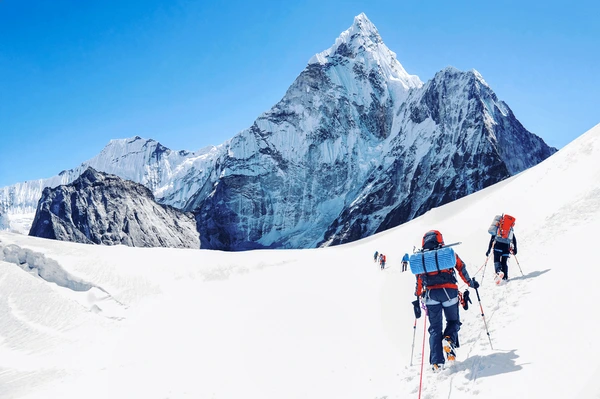
Many people dream about climbing Mount Everest but feel overwhelmed by risk, cost, and uncertainty. Fear grows around altitude danger, weather exposure, physical limits, and stories of failure. Confusion often appears when choosing routes, understanding oxygen use, or deciding whether personal fitness meets Everest demands. Without clear guidance, the goal feels distant and unsafe.
In this guide, readers learn how to climb Mount Everest through simple, step-by-step explanations that connect Everest with other famous expeditions in Nepal. This article covers route choices, difficulty level, training needs, acclimatization approach, oxygen planning, and guided expedition support. Each section removes doubt and replaces fear with structured knowledge. The goal is to help climbers plan safely, realistically, and with confidence.
About Mount Everest Expedition
Mount Everest expedition is a high-altitude climbing journey that involves extreme elevation, harsh weather, and long-term acclimatization. Climbers operate above eight thousand meters where oxygen drops sharply and physical limits appear fast. Expedition success depends on route choice, training quality, and guided support. Location and face selection influence risk, weather exposure, and rescue access. Understanding these basics helps climbers plan realistically.
Height and Geographic Location
Mount Everest rises to 8,848.86 meters, making it the highest peak on Earth. The mountain sits on the border of Nepal and Tibet within the Himalayan range. Extreme altitude reduces oxygen to about one third of sea-level levels near the summit. This height slows movement, weakens strength, and increases medical risk. Geographic position exposes Everest to strong jet stream winds during much of the year.
South vs North Faces
South face lies in Nepal and follows the South Col route through Khumbu Icefall. This side offers stronger Sherpa presence, established camps, and helicopter rescue access at lower elevations. North face lies in Tibet and follows the North Col route with colder wind and longer exposed sections. Rescue becomes harder on the north side due to terrain and altitude. Route choice shapes safety, comfort, and success rate.
Why Everest Attracts Climbers Worldwide?
Everest attracts climbers because reaching the highest point on Earth holds strong personal meaning. The climb represents physical endurance, mental strength, and disciplined preparation. Global recognition and historical legacy add motivation for many mountaineers. Modern logistics make access possible for trained climbers. Everest remains a symbol of ultimate high-altitude challenge.
How to Climb Mount Everest? (Core Breakdown)
To climb Mount Everest you follow a structured process that includes route selection, guided support, long-term training, staged acclimatization, and a controlled summit attempt. Each step reduces risk linked to altitude, weather, and fatigue. Skipping any stage increases danger significantly. Everest demands patience, discipline, and respect for limits. Success depends more on planning quality than raw strength. A step-by-step approach creates safer outcomes.
Step 1: Choose Route (South Col or North Col)
Route choice determines exposure type, logistics, and rescue options, making everest climbing route a critical planning factor. The South Col route from Nepal includes Khumbu Icefall, Western Cwm, Lhotse Face, then the summit ridge, offering established camps and stronger Sherpa systems. Helicopter access exists at lower elevations, improving emergency response. The North Col route from Tibet avoids the Icefall but adds long wind exposure, technical rock steps, colder nights, plus limited evacuation. Permit rules, weather patterns, and personal tolerance guide final selection. Most guided climbers select the South Col due to higher success rates and deeper support.
Step 2: Join an Expedition Company
Everest requires licensed operators to secure permits, manage camps, and coordinate Sherpa teams. Strong companies provide rope fixing, ladder placement, oxygen logistics, food supply, plus medical oversight. Weather forecasting and summit window planning reduce exposure risk. Emergency protocols include descent plans, backup oxygen, and communication systems. Company quality directly influences safety margin and decision clarity during pressure moments.
Step 3: Complete Pre-Expedition Training
Training spans endurance, strength, technical movement, and altitude readiness. Climbers perform long hikes with weighted packs, stair sessions, and back-to-back training days. Technical preparation covers fixed-line ascent, controlled descent, crampon technique, and ice-tool handling. Prior summits above six or seven thousand meters improve altitude response. Mental preparation builds patience for slow progress and multi-week schedules.
Step 4: Travel to Base Camp and Start Acclimatization
Arrival at Base Camp begins medical screening and adaptation. Early days emphasize rest, hydration, short walks, and equipment checks. Climbers rehearse rope systems and ladder movement near camp. Base Camp life stabilizes sleep, appetite, and routine before rotations. Careful monitoring identifies early altitude symptoms before higher exposure.
Step 5: Follow Rotation Schedule to Higher Camps
Rotations progress through Camps One, Two, and Three to condition lungs and muscles. Climbers climb higher during daytime, then descend to sleep lower when possible. Time spent at Camp Two builds strength for long days in thin air. Camp Three introduces steep ice and oxygen use practice. Each cycle improves efficiency and reduces summit-day shock.
Step 6: Summit Push Strategy
Summit push depends on a narrow weather window with low wind and stable temperature. Departure from Camp Four occurs late night to reach summit near sunrise. Oxygen flow rates, step rhythm, and turnaround time govern safety. Sherpas manage ropes, pace, and decision points along the ridge. Immediate descent after summit reduces exhaustion and storm exposure.
How Difficult Is Mount Everest?
Mount Everest is extremely difficult because death-zone altitude, dangerous terrain, harsh weather, and long exposure push human limits, answering the question is everest expedition difficult through real conditions rather than theory. Climbers face low oxygen that weakens strength and slows thinking. Key sections demand technical skill under stress and cold. Wind and storms can end summit attempts within minutes. Physical strain and mental pressure build across weeks, not just summit day. Difficulty rises further when teams rush acclimatization or use weak support.
Altitude Challenges (Death Zone)
Death zone begins above 8,000 meters where bodies cannot recover properly. Oxygen levels drop sharply, causing slow movement, confusion, and severe fatigue. Sleep quality falls, appetite drops, and dehydration risk rises due to dry air and heavy breathing. Altitude sickness can escalate into life-threatening conditions without quick descent. Oxygen use helps, yet oxygen does not remove risk entirely. Time management becomes critical because longer exposure increases danger.
Icefall and Steep Sections
Khumbu Icefall demands fast but careful movement across ladders, crevasses, and unstable ice blocks. Glacier motion changes paths daily, increasing unpredictability. Lhotse Face requires crampon precision on hard blue ice while clipped to fixed ropes. Summit ridge adds narrow paths, exposure, and balance challenges when fatigue peaks. These sections punish mistakes because cold fingers and low oxygen reduce coordination. Technical skill must remain steady even when fear rises.
Weather and Wind Exposure
Everest weather shifts quickly, bringing whiteouts, snowfall, and sudden wind surges. Jet stream wind can reach dangerous speed, forcing teams to retreat. Cold temperatures increase frostbite risk and drain energy rapidly. Poor visibility reduces navigation ability, increasing separation risk within teams. Weather windows stay short, creating pressure to climb during limited safe periods. Accurate forecasting and flexible planning become essential.
Physical and Mental Pressure
Everest demands weeks of effort, creating accumulated fatigue and stress. Repeated rotations strain joints, lungs, and immune system. Mental pressure rises due to fear, crowd traffic, and summit-window urgency. Decision quality declines when climbers become exhausted or oxygen-deprived. Strong mindset supports calm pacing and safe turnaround choices. Discipline and patience often decide success more than strength.
Things You Should Know Before Climbing Everest
Climbing Everest requires far more than motivation or fitness, especially beyond the advanced base camp stage where margins narrow quickly. Experience, time, cost, oxygen planning, and health readiness shape safety and success. Many climbers underestimate how long preparation and expedition phases last. Financial planning matters as much as physical training. Understanding these factors prevents dangerous assumptions before committing.
Required Experience Level
Everest requires solid mountaineering background, not basic trekking experience. Climbers should complete multiple expeditions above six thousand meters to understand oxygen stress, cold exposure, and long summit days. Familiarity with fixed ropes, ladder crossings, crampon front-pointing, and controlled descents is essential. Prior time in storms, whiteouts, and high wind improves decision quality. Experience teaches pacing, turnaround discipline, and teamwork under pressure. Without this background, risk rises sharply above high camps.
Time Commitment (6–9 Weeks)
Everest expeditions last six to nine weeks due to gradual acclimatization and weather dependency. Weeks include Base Camp adaptation, multiple rotations to higher camps, rest periods, and summit-window waiting. Storms or jet-stream shifts can delay attempts for days. Rushing schedules increases altitude illness and exhaustion. Descent and recovery also require time after summit day. Full commitment protects health and improves outcomes.
Cost Factors
Costs include climbing permit, Sherpa wages, fixed-rope fees, oxygen systems, food, tents, transport, insurance, and staff support. Training climbs, gear purchases, and travel add significant expense before arrival. Lower prices often mean reduced oxygen, fewer Sherpas, weaker safety systems, or limited rescue planning. Transparent pricing shows where money supports safety. Budget choices directly affect margins in the death zone.
Oxygen Use and Risks
Supplemental oxygen supports movement and judgment above eight thousand meters. Systems include cylinders, regulators, masks, plus spares at camps. Incorrect flow rates waste supply or fail to support exertion. Equipment failure, icing, or leaks create immediate danger. Training with oxygen before summit day improves efficiency. Backup cylinders and clear turnaround rules reduce catastrophic risk.
Health and Safety Requirements
Medical screening evaluates heart, lungs, prior injuries, and altitude history. Ongoing checks track oxygen saturation, sleep quality, hydration, and appetite. Rescue insurance and evacuation plans remain mandatory. Hygiene protocols reduce illness during long Base Camp stays. Honest symptom reporting enables early descent decisions. Health discipline saves lives at extreme altitude.
Mount Everest Route Information
Mount Everest route information explains how climbers move from Base Camp to the summit through defined high-altitude sections. Each section presents different risks, terrain, and effort levels. Route knowledge helps climbers plan pacing, oxygen use, and rotation strategy. Understanding key sections improves safety and decision quality. Most guided climbers follow the Nepal side route due to logistics and support.
South Col Route (Nepal): Overview, Difficulty, Key Sections
South Col route remains the most established and frequently climbed path to Everest’s summit. This route balances technical difficulty with strong logistical support, making it suitable for guided expeditions. Climbers face progressive altitude exposure, repeated rotations, and long summit-day effort. Fixed ropes, Sherpa leadership, and defined camps reduce uncertainty. Despite support, danger remains high due to terrain and altitude.
Khumbu Icefall
Khumbu Icefall represents the most unstable part of the entire route. Massive ice blocks shift constantly, opening new crevasses and collapsing old paths overnight. Aluminum ladders span deep gaps, requiring balance and calm movement while clipped to safety lines. Sherpas reset routes daily to manage glacier movement. Climbers cross before sunrise to limit exposure to heat-triggered collapse. Mental control proves critical during repeated crossings.
Western Cwm
Western Cwm sits between Nuptse and Lhotse walls, creating a sun trap with intense reflected heat. Snow glare increases dehydration and eye strain during long walks. Although slope remains moderate, altitude slows progress significantly. Crevasses exist beneath snow bridges, demanding careful rope travel. Heat exhaustion becomes a common issue here despite cold surroundings.
Lhotse Face
Lhotse Face climbs at steep angles on hard ice, often exceeding forty degrees. Fixed ropes assist ascent, but climbers must manage precise foot placement and efficient clipping. Wind scours ice surfaces, creating slick conditions. Fatigue builds quickly because resting spots remain limited. Errors here carry serious fall risk due to exposure and ice hardness.
Camp III / Camp IV
Camp Three sits directly on Lhotse Face, forcing climbers to sleep on steep ice platforms. Oxygen use often begins during nights here to support recovery. Camp Four lies at South Col, exposed to jet-stream winds and severe cold. This camp marks entry into the death zone, where bodies cannot recover fully. Time spent here must remain short to limit deterioration.
Summit Ridge
Summit ridge combines narrow snow paths, rock steps, and extreme exposure on both sides. Climbers manage exhaustion, oxygen flow, and balance simultaneously. Wind speed can spike suddenly, forcing retreat decisions. Rope traffic increases congestion during busy summit windows. Turnaround discipline becomes vital to ensure daylight descent and survival.
North Col Route (Tibet): Overview, Difficulty, Key Sections
North Col route approaches Everest from Tibet and avoids Khumbu Icefall, yet difficulty rises due to wind, exposure, and limited rescue options. Climbers face colder conditions, longer traverses, and higher camp placements that increase altitude stress. Technical sections demand steady movement under harsh weather. Logistics feel stricter because access and evacuation remain constrained. This route suits experienced climbers comfortable with exposure and cold.
Wind exposure
Wind remains constant across ridges and camps, draining heat and energy quickly. Gusts reduce balance and slow progress on open slopes. Prolonged wind increases frostbite risk and oxygen consumption. Weather windows stay shorter due to jet-stream influence. Accurate timing becomes critical for safety.
Rock steps
Rock steps require mixed climbing where crampons meet stone under thin air. Hand placements feel clumsy due to gloves and cold fingers. Rope transitions demand precision while clipped to fixed lines. Exposure below increases consequence of slips. Practice on mixed terrain improves efficiency here.
Higher camps
North side camps sit higher earlier, increasing altitude load sooner in the climb. Sleep quality drops faster due to thinner air. Recovery remains limited without helicopter access. Emergency response relies on ground teams and descent. Camp management and pacing discipline become essential for success.
Preparation Tips for Everest Climbers
Preparing for Everest requires structured fitness work, long-term endurance building, technical skill practice, and strong mental control. Each element supports safety at extreme altitude where mistakes carry serious consequences. Preparation begins months before arrival and continues throughout the expedition. Balanced training reduces fatigue, injury risk, and poor decisions. Focused preparation improves summit success and safe descent.
Fitness Requirements
Everest climbers need high cardiovascular endurance to function in low-oxygen conditions. Ability to move steadily for ten to twelve hours matters more than speed. Strong lungs support controlled breathing above seven thousand meters. Joint resilience protects knees and ankles during repeated ascents and descents. Bodyweight management improves efficiency at altitude. Consistent aerobic conditioning forms the foundation for all other training.
Strength + Endurance Training
Strength training targets legs, hips, and core to handle steep ice slopes and heavy boots. Squats, lunges, step-ups, and loaded carries prepare muscles for sustained climbing. Endurance work includes long hikes, stair climbing, and back-to-back training days to mimic expedition fatigue. Pack-weight training improves posture and balance. Recovery training prevents overuse injuries during long preparation phases. Combined strength and endurance allow steady output under exhaustion.
Technical Skills Needed (Crampons, Fixed Lines, Ice Tools)
Climbers must master crampon techniques for front-pointing and edging on hard ice. Fixed-line travel requires smooth clipping, unclipping, and efficient movement while wearing gloves. Ice-tool handling supports balance on steep sections and icy traverses. Rope discipline prevents falls during exposure-heavy terrain. Practicing these skills under fatigue improves real-world performance. Technical confidence reduces hesitation during high-risk sections.
Mental Conditioning
Mental conditioning prepares climbers for fear, cold, isolation, and long waiting periods. Patience becomes critical during acclimatization and weather delays. Stress control supports better judgment when oxygen drops. Visualization helps manage summit-day pressure and fatigue. Acceptance of turnaround decisions protects life over ego. Strong mindset often determines success more than physical strength.
Acclimatization Tips for Everest
Everest acclimatization protects climbers from altitude illness and performance collapse. Gradual exposure allows lungs and blood to adapt to low oxygen. Proper pacing, rest, and fueling support recovery between climbs. Discipline during acclimatization often decides summit success and safe descent.
Rotation Strategy Explained
Rotation strategy involves repeated movement between Base Camp and higher camps to condition the body. Climbers ascend to a higher camp during the day, spend limited time there, then descend to recover. Each rotation increases sleeping altitude gradually, strengthening oxygen efficiency. Time at Camp Two builds endurance for long days in thin air. Later rotations introduce Camp Three to practice oxygen use and steep ice movement. Skipping rotations increases serious health risk.
Climb High, Sleep Low Principle
This principle means hiking higher during the day while returning to a lower altitude to sleep. Daytime exposure stimulates red blood cell production without stressing recovery overnight. Sleeping lower improves rest quality and appetite. Repeating this pattern reduces headache and dizziness risk. Consistent use prepares climbers for higher sleeping camps. This method forms the core of safe altitude adaptation.
Hydration, Nutrition, and Recovery Rules
Hydration supports circulation and oxygen delivery at altitude. Climbers drink frequently, even without thirst, to counter dry air and heavy breathing. Nutrition focuses on carbohydrates for energy and protein for recovery. Warm meals improve digestion in cold conditions. Sleep routines, light stretching, and rest days aid muscle repair. Ignoring recovery increases fatigue and decision errors.
How to Recognize AMS Symptoms?
To recognize AMS symptoms, climbers watch for persistent headache, nausea, dizziness, loss of appetite, and poor sleep. Fatigue that worsens with rest signals trouble. Shortness of breath during rest or confusion indicates serious risk. Symptoms that do not improve after rest require descent. Early recognition and honest reporting prevent life-threatening escalation.
Packing List for Everest Expedition
Everest packing focuses on warmth, safety, oxygen support, and daily living at extreme altitude. Gear choice affects survival, comfort, and efficiency during long exposure. Every item must perform in cold, wind, and low oxygen. Redundancy matters for critical systems. Weight control remains important to reduce fatigue.
Clothing Layers
Clothing system uses layered protection to manage sweat, cold, and wind. Base layers wick moisture and keep skin dry during climbs. Mid layers provide insulation during breaks and cold mornings. Outer shells block wind and snow during storms. Down suit or heavy insulated jacket protects during death-zone exposure. Gloves, mittens, balaclava, and face mask prevent frostbite on exposed skin. Multiple sock layers maintain foot warmth and reduce blister risk.
Climbing Gear
Climbing gear supports safe movement on ice, snow, and mixed terrain. Double or triple boots protect feet from extreme cold. Crampons provide traction on hard ice and steep slopes. Ice axe or ice tools aid balance and control. Harness, carabiners, ascenders, and descenders enable fixed-line travel. Helmet protects against falling ice or rock. Rope familiarity improves efficiency and safety.
Oxygen and Safety Gear
Oxygen system includes cylinders, regulators, and masks designed for high flow rates. Backup oxygen remains essential in case of failure. Regulators must function in freezing conditions without icing. Masks should fit securely to prevent leakage. Radios enable communication between climbers, Sherpas, and Base Camp. First-aid kit covers altitude medication, pain relief, and emergency supplies. Headlamp with spare batteries supports night climbing.
Base Camp Essentials
Base Camp living requires comfort and recovery support. Sleeping bag rated for extreme cold improves rest quality. Sleeping pad insulates against frozen ground. Personal tent space stores gear and provides shelter. Camp clothing allows warmth without climbing layers. Toiletry items, wet wipes, and hygiene supplies reduce illness risk. Sun protection guards against strong UV exposure.
Personal Items and Electronics
Personal items include passport copies, insurance documents, and permits. Power banks keep devices running during long power gaps. Camera or phone records progress but must handle cold. GPS watch tracks altitude and movement. Sunglasses with high UV rating protect eyes from glare. Earplugs improve sleep during busy camp periods. Minimal luxury items support morale without adding excess weight.
Guided Expedition vs Solo Climbing
Everest climbing requires coordinated logistics, safety systems, and legal permits that make solo attempts unrealistic. Extreme altitude, weather risk, and emergency response demand team support. Guided expeditions provide structure, protection, and decision control during dangerous phases. Solo climbing increases exposure without safety margins. Most successful summits occur under guided systems.
Why Solo Climbing Everest Is Practically Impossible?
Solo climbing faces permit restrictions, route management limits, and safety barriers. Fixed ropes, ladders, and camps require team coordination. Oxygen logistics cannot function alone at high camps. Rescue becomes impossible without support during emergencies. Weather judgment alone increases risk of fatal decisions. Regulations also restrict independent climbs.
Benefits of Guided Expeditions
Guided expeditions manage permits, camps, and daily schedules. Sherpa teams fix ropes, place ladders, and guide movement through dangerous sections. Oxygen planning supports performance in the death zone. Medical checks monitor health during acclimatization. Weather forecasting improves summit timing. Group support increases safety and morale.
What Sherpas Do During the Climb?
Sherpas fix ropes, establish camps, and carry loads to higher elevations. They guide climbers through Icefall, steep faces, and summit ridge. Sherpas monitor pace, oxygen flow, and weather conditions. Emergency response often depends on Sherpa action. Their experience reduces risk during critical moments. Sherpas play a central role in every successful ascent.
Which Company to Choose for Everest Expedition?
You can choose Marvel Treks as an Everest expedition company because structured safety systems, experienced Sherpa leadership, and reliable logistics determine survival and success. Operator choice affects oxygen reliability, route timing, and emergency response. Strong planning reduces exposure during dangerous sections. Transparent operations improve trust and decision clarity. A dependable company protects climbers when conditions turn harsh.
Key Qualities of a Reliable Operator
Sherpa experience: Experienced Sherpas understand Icefall timing, steep ice technique, and summit-day pacing. Proven leadership improves movement efficiency and reduces mistakes under low oxygen.
Safety systems: Layered safety includes health monitoring, fixed-line management, clear turnaround rules, and contingency plans. Strong systems prevent rushed decisions during pressure moments.
Oxygen quality: High-flow oxygen, reliable regulators, proper mask fit, and backups remain essential above eight thousand meters. Consistent supply protects judgment and endurance.
Weather forecasting: Accurate forecasts guide rotations and summit windows. Timely decisions reduce wind exposure and storm risk.
Rescue readiness: Prepared evacuation plans, spare oxygen, radios, and trained response teams shorten reaction time during emergencies. Readiness saves lives.
Why Marvel Treks Is a Strong Choice for Everest?
Marvel Treks is a strong choice for Everest because teams deliver experienced Sherpa support, dependable oxygen systems, and disciplined acclimatization plans. Leadership emphasizes early risk control, steady pacing, and clear communication. Logistics cover permits, camps, weather analysis, and emergency readiness without gaps. Transparent planning aligns safety priorities with climber goals. Consistent execution improves confidence and summit outcomes.
Conclusion
Mount Everest presents extreme difficulty through altitude, exposure, weather volatility, and long-duration effort. Route choice shapes risk profile, while proper training, acclimatization, and equipment planning determine safety margins. Icefall movement, steep faces, wind zones, and death-zone exposure require disciplined preparation and sound judgment.
Guided support plays a critical role by managing logistics, oxygen systems, route safety, and emergency response. Smart planning reduces avoidable risk and supports clear decision-making under pressure. Climbers should commit only after building strong physical fitness, technical skill, and mental readiness. Careful preparation transforms Everest from a dangerous idea into a structured, achievable expedition.
How long does it take to climb Everest?
Climbing Everest usually takes six to nine weeks from arrival to departure. This time includes acclimatization rotations, rest days, and waiting for safe weather windows.
How much does climbing Everest cost?
Climbing Everest typically costs between USD 35,000 and USD 80,000 depending on operator, support level, and oxygen supply. Higher costs usually reflect stronger safety systems and Sherpa support.
Can beginners climb Everest?
Beginners cannot climb Everest safely without prior high-altitude mountaineering experience. Climbers need experience on six thousand or seven thousand meter peaks before attempting Everest.
Do climbers need oxygen on Everest?
Yes, most climbers use supplemental oxygen above eight thousand meters. Oxygen improves strength and judgment but does not remove risk.
Which Everest route is safest?
The South Col route from Nepal is considered the safest due to stronger logistics and rescue access. Sherpa support and established camps improve safety margins.
What age is required to climb Everest?
Nepal regulations require climbers to be at least sixteen years old. Upper age limits depend on fitness, health, and expedition company policies.
How dangerous is the Khumbu Icefall?
Khumbu Icefall is one of the most dangerous sections due to moving ice and falling seracs. Early crossings and Sherpa route management reduce risk.
How fit do you need to be for Everest?
Climbers need elite endurance and strong cardiovascular capacity. Ability to move for long hours under low oxygen is essential.
What is summit day like?
Summit day involves a long overnight climb from Camp Four with oxygen support. Climbers face extreme cold, exhaustion, and strict turnaround times.
What happens if someone gets sick on Everest?
If sickness appears, descent becomes the primary response. Guides and Sherpas manage evacuation and medical support based on severity.

Ready for your next Himalayan adventure?
Plan Your Next Big Adventure with Us
Explore Our AdventuresJoin our expert-guided journeys across Nepal and beyond, from classic trails to epic summits.