
How To Prepare for Everest Base Camp Trek? Complete Guide 2026
Many trekkers feel anxious before planning Everest Base Camp because altitude gain, fitness demands, packing choices, and changing weather create confusion. Cold nights, breathing difficulty, long walking days, and fear of altitude sickness often stop people from starting preparation on time. Unclear training plans and mixed gear advice increase doubt. Without clear direction, even motivated trekkers struggle to feel ready.
In this blog, readers learn how to prepare for Everest Base Camp trek through simple, practical steps. This guide explains training timelines, fitness focus, packing essentials, permit basics, acclimatization strategy, and safety awareness. Each section removes confusion and replaces guesswork with clear action. Readers finish with confidence, structure, and a realistic plan for a safe trek.
What Makes Everest Base Camp Trek Challenging?
Everest Base Camp trek is challenging because altitude rises steadily, walking days remain long, and weather shifts quickly across varied terrain. Oxygen drops with each village, slowing pace and increasing fatigue, especially for trekkers progressing toward the advanced base camp zone. Daily distances demand endurance rather than speed. Cold nights test recovery and sleep quality. These factors combine to stress body and mindset throughout the route.
Long Trekking Days and Endurance Requirements
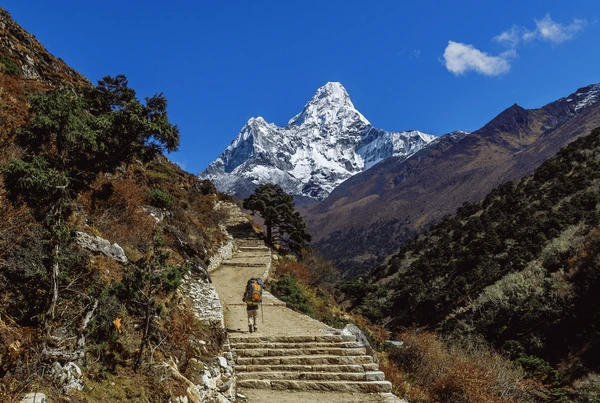
Walking days often stretch beyond six hours as altitude slows movement and rest breaks increase. Continuous ascents and descents place steady pressure on knees, calves, and lower back. Stone staircases around Namche and Dingboche demand leg strength and rhythm control. Suspension bridges require balance while carrying packs across long spans. Repeated daily effort compounds fatigue, making recovery quality critical each night. Endurance training before arrival helps trekkers maintain pace without exhaustion.
Weather, Cold Nights, and Terrain Variety
- Weather changes fast between valleys and high passes.
- Cold nights reduce sleep quality and slow recovery.
- Wind exposure increases heat loss during open sections.
- Sun intensity rises with altitude, increasing dehydration risk.
- Trails shift from forest paths to rocky moraine.
- Snow appears near higher villages during shoulder seasons.
- Terrain variety demands stable footing and careful pacing.
How Fit Do You Need To Be for Everest Base Camp?
You need moderate to strong fitness for Everest Base Camp trek, with focus on endurance rather than speed. Trekking involves long walking days, steady climbs, and repeated descents at rising altitude. Cardiovascular capacity matters more than gym strength because oxygen drops gradually. Joint strength supports knees and ankles on stone steps and uneven trails. Consistent preparation helps trekkers walk comfortably for many days without exhaustion.
Required Strength and Stamina Levels
Trekkers need leg strength to handle continuous ascents, descents, and stone staircases. Core stability supports balance while crossing bridges and rocky paths. Stamina allows steady movement for six to eight hours without frequent fatigue stops. Lung capacity helps manage slower breathing as altitude increases. Upper body strength plays a minor role but helps with pole use and pack control. Consistent conditioning improves recovery between trekking days.
Suggested Training Timeline (8–12 Weeks)
An eight to twelve week training period builds endurance and confidence before departure. Early weeks focus on walking, hiking, or light running to improve cardiovascular base. Middle weeks add stair climbing, hill walks, and longer hikes with light packs. Final weeks include weighted-pack walks and back-to-back training days. This timeline prepares muscles, lungs, and joints for sustained effort. Gradual load increase prevents injury and burnout.
Common Fitness Mistakes Trekkers Make
Many trekkers train only cardio and ignore leg strength needed for descents. Some focus on speed instead of long-duration walking. Skipping stair training leaves knees unprepared for stone steps. Overtraining without rest causes fatigue before travel. Underestimating altitude impact leads to poor pacing once trekking begins. Balanced training avoids these common errors.
Training Plan for Everest Base Camp (Step-by-Step)
A clear training plan prepares trekkers for long days, rising altitude, and repeated climbs. Focus stays on endurance, joint strength, pacing habits, plus mental control. Consistent practice builds confidence before arrival. Training should progress gradually to avoid injury. This step-by-step approach supports safe, steady trekking.
Cardiovascular Training (Hiking, Running, Stair Work)
- Hiking builds route-specific endurance for uneven trails.
- Running improves heart efficiency for sustained effort.
- Stair work strengthens legs for stone steps.
- Incline walking mimics uphill village climbs.
- Long sessions train slow, steady pace control.
- Back-to-back days prepare for multi-day trekking.
- Recovery walks reduce fatigue accumulation.
Strength Training (Legs, Core, Back)
- Squats build thigh strength for climbs.
- Lunges support balance during descents.
- Calf raises protect ankles on steep paths.
- Core work stabilizes posture with packs.
- Back training supports load carrying.
- Step-ups simulate trail movement patterns.
- Mobility drills reduce joint strain.
Altitude Preparation and Slow Pacing Practice
- Slow walking trains breathing rhythm.
- Nasal breathing improves oxygen use.
- Rest-step technique conserves energy.
- Controlled breaks prevent rapid fatigue.
- Hydration habits support altitude adjustment.
- Awareness of symptoms improves safety.
- Patience training reduces overexertion.
Mental Conditioning for Long Days at High Altitude
- Visualization prepares mind for fatigue.
- Routine building improves daily focus.
- Acceptance of slow pace reduces stress.
- Breath control calms anxiety.
- Goal setting maintains motivation.
- Discomfort tolerance strengthens resolve.
- Consistent mindset supports steady progress.
What Skills Do You Need for Everest Base Camp?
You need pacing control, breathing awareness, hydration discipline, cold management, plus altitude sickness knowledge for Everest Base Camp trek. These skills protect energy, reduce fatigue, and lower altitude risk. Walking skill matters more than speed because oxygen drops daily. Weather handling keeps the body warm and functional during long days. Awareness of physical signals supports safe decisions. Skill preparation turns difficulty into manageable effort.
Pacing and Breathing Techniques
Pacing skill allows trekkers to move steadily without exhausting energy reserves too early. Slow, short steps help maintain balance and reduce heart strain on uphill sections. Coordinated breathing supports oxygen intake when air thins with altitude gain. Techniques such as rest-step and pressure breathing improve control during long climbs. Avoiding sudden bursts of speed prevents rapid fatigue and dizziness. Consistent pacing across hours protects stamina for the following days. Good breathing rhythm also improves sleep quality at higher villages.
Hydration and Nutrition Awareness
Hydration awareness keeps blood circulation effective and reduces altitude-related headaches. Trekkers should drink small amounts often rather than waiting for thirst signals. Warm fluids support digestion and comfort in cold environments. Nutrition planning focuses on carbohydrate-rich meals that provide sustained energy. Frequent light snacks prevent energy crashes during long walking stretches. Balanced intake aids muscle recovery after demanding days. Proper fueling helps the body adapt to reduced oxygen levels.
Managing Cold, Wind, and Changing Trail Conditions
Cold management skill protects extremities during early starts and shaded trails. Layer adjustment prevents sweat buildup that later causes chilling. Wind awareness becomes critical on exposed ridges where heat loss accelerates quickly. Trail conditions vary from forest soil to stone steps and loose moraine. Careful foot placement reduces slip risk on uneven or icy surfaces. Adaptability helps trekkers respond to sudden weather shifts. Smart clothing control improves comfort and endurance.
What Gear Do You Need for Everest Base Camp?
You need warm layers, reliable footwear, core trekking equipment, plus a few useful extras for Everest Base Camp trek. Gear choice affects comfort, safety, and energy use during long days in cold air. Proper clothing prevents heat loss and controls sweat during climbs. Strong boots protect ankles on stone steps and rocky moraine. Correct essentials reduce stress during early starts, cold nights, and changing weather.
Clothing Layers (Base, Mid, Outer)
Base layers manage sweat and keep skin dry during uphill effort. Choose moisture-wicking tops and bottoms that dry fast and feel comfortable for long wear. Mid layers provide warmth during breaks and cold mornings, so fleece or light insulated jackets work well. Outer layers block wind and light snow, so waterproof shell jacket and shell pants protect against sudden weather shifts. A down jacket becomes important for evenings in teahouses and early morning starts. Warm hat, neck buff, plus insulated gloves protect exposed skin from wind chill. Layer control matters, so trekkers remove mid layers during climbs to avoid sweat buildup and add layers during breaks to prevent rapid cooling.
Footwear and Accessories (Boots, Socks, Poles)
Trekking boots need ankle support, firm soles, and good grip for stone steps and uneven trails. Boots should feel comfortable before the trek, so break-in hikes help prevent blisters. Wool socks reduce friction and retain warmth, while liner socks help manage sweat and rubbing. Gaiters help keep dust, snow, and small stones out of boots during higher sections. Trekking poles reduce knee strain on descents and improve balance on rocky paths and bridges. Foot care items such as blister tape, anti-chafe balm, plus nail clippers prevent small issues from becoming trek-ending problems. Good footwear setup protects joints and keeps daily walking consistent.
Essential Gear (Backpack, Sleeping Bag, Headlamp)
A comfortable daypack carries water, layers, snacks, and personal items without shoulder pain. Backpack fit matters, so padded hip belt and adjustable straps help distribute load. Sleeping bag rated for cold nights improves sleep quality, especially during colder months in higher villages. A sleeping bag liner adds warmth and helps maintain hygiene in teahouses. Headlamp supports early starts, night bathroom trips, and low-light packing. Water system options include bottles or hydration bladders, but insulation helps prevent freezing at higher elevations. Basic health items include first-aid kit, blister care, pain relief, plus personal medicines for stomach issues or colds.
Optional but Useful Gear (Microspikes, Power Banks)
Microspikes help on icy steps or snow patches during colder months or early mornings. Power banks keep phones, cameras, and GPS devices running because charging costs rise and power becomes limited in higher villages. Lightweight thermos helps carry warm drinks, improving hydration in cold wind. Sunglasses with strong UV protection protect eyes from snow glare and high-altitude sun. Sunscreen and lip balm prevent burns and cracked skin from dry air. Earplugs improve sleep in teahouses where walls remain thin. These extras improve comfort and reduce daily friction without adding major weight.
How To Acclimatize Safely on the Everest Base Camp Route?
To acclimatize safely on Everest Base Camp route trekkers follow gradual ascent, planned rest days, slow walking pace, and strong hydration habits. Altitude rises steadily, so lungs need time to adjust before sleeping higher. Proper acclimatization lowers risk of headache, nausea, and fatigue. Rest days protect energy and improve oxygen use. Safe acclimatization depends on discipline rather than speed.
Ideal Acclimatization Schedule (Namche, Dingboche)
Namche Bazaar serves as the first major acclimatization stop because altitude jumps sharply after Lukla. Trekkers stay two nights here to allow lungs to adapt. Acclimatization hikes toward Everest View Hotel or nearby ridges help the body adjust without sleeping higher. Dingboche becomes the second key stop due to rising elevation beyond four thousand meters. Trekkers spend extra nights here to stabilize breathing and recovery. Short hikes toward Nagarjun Hill or nearby slopes strengthen adaptation. Skipping these stops increases risk of altitude sickness later.
“Climb High, Sleep Low” Routine
This routine involves hiking to higher points during the day and returning to lower altitude for sleep. Day hikes stimulate red blood cell production without stressing the body overnight. Sleeping lower allows better recovery and deeper rest. This method prepares lungs for higher sleeping elevations ahead. Practicing this pattern improves stamina and reduces headache risk. Consistency across acclimatization days improves safety.
Hydration and Slow Pace Strategy
Hydration supports blood circulation and oxygen delivery at altitude. Trekkers should drink water frequently throughout the day, even without thirst. Slow walking pace keeps breathing controlled and prevents sudden fatigue. Short steps and steady rhythm conserve energy during long climbs. Rushing increases headache and dizziness risk. Warm drinks support digestion and comfort in cold conditions. Combined hydration and pacing protect health throughout the trek.
What Should You Eat During the Everest Base Camp Trek?
To eat well during Everest Base Camp trek, trekkers choose high-energy meals, drink enough fluids, and avoid foods that upset digestion at altitude. Food supports stamina for long walking days and helps recovery during cold nights. Appetite often drops higher up, so simple, warm meals work best. Hydration becomes as important as meals because dry air increases fluid loss. Smart eating choices reduce fatigue and stomach problems.
High-Energy Foods for Trekking Days
High-energy foods should provide steady carbohydrates, moderate protein, plus some healthy fats for long-lasting fuel. Dal bhat works well because rice, lentils, and vegetables provide strong energy and easy digestion. Porridge, oats, chapati, potatoes, and noodles support morning strength before climbs. Eggs, soups, and simple curries add protein that supports muscle recovery after long days. Snacks such as nuts, trail mix, chocolate, energy bars, dried fruit, and biscuits help maintain energy between meals. Warm meals often feel easier to eat at altitude, especially during cold mornings. Portion control matters, so trekkers eat smaller amounts more often rather than forcing large meals. Consistent fueling prevents energy crashes during long ascents.
Hydration Needs at Altitude
Hydration needs increase because dry air, wind, and higher breathing rate cause faster fluid loss. Trekkers should drink regularly throughout the day, using small sips often rather than waiting for thirst. Warm water, ginger tea, lemon tea, and soup help maintain fluid intake during cold conditions. Electrolyte salts support balance when sweating increases during climbs. Urine color provides a simple check, with pale yellow showing better hydration. Limiting alcohol helps because alcohol worsens dehydration and sleep quality. Clean water practice matters, so trekkers use treated water or safe refills to avoid stomach illness.
Foods to Avoid During Trek
Foods to avoid include heavy fried items that slow digestion and increase nausea risk at altitude. Raw salads often carry hygiene risk, especially in higher villages with limited water supply. Too much spicy food can irritate the stomach and worsen reflux during hard climbs. Excess dairy may cause bloating for those sensitive to lactose. Large meat portions can feel hard to digest at high elevation, especially late in the day. Alcohol reduces sleep quality and increases dehydration, raising altitude stress. Junk snacks with low nutrition can replace better calories and reduce recovery. Safer choices keep digestion stable and support steady trekking.
When Is the Best Time to Trek Everest Base Camp?
Best time to trek Everest Base Camp is during stable weather months when temperature, visibility, and trail conditions remain favorable. Seasonal choice affects comfort, crowd level, and safety. Clear skies improve mountain views and reduce weather delays. Cold and snowfall increase difficulty outside main seasons. Choosing the right window improves overall trekking experience.
Spring Season (March–May)
Spring offers stable weather, moderate temperatures, and clear mountain views. Daytime warmth supports comfortable walking during long hours. Rhododendron forests bloom at lower elevations, adding visual appeal. Snow remains limited on most trails, reducing slip risk. Crowds increase because climbing expeditions also operate during this period. Visibility stays strong, making spring a popular choice.
Autumn Season (September–November)
Autumn provides crisp air, dry trails, and excellent visibility after monsoon clears dust. Daytime temperatures remain cool but manageable for long walks. Nights become colder at higher villages, requiring warm sleeping gear. Trail conditions stay stable with minimal rain. Crowd levels peak during October due to ideal weather. Autumn suits trekkers seeking clear views and steady conditions.
Off-Season Trekking Considerations
Winter trekking brings colder temperatures, snow-covered trails, and fewer trekkers. Monsoon season causes rain, cloud cover, and leech presence at lower elevations. Flight delays increase during off-season months. Lodge availability may reduce due to low traffic. Off-season suits experienced trekkers seeking solitude and flexibility. Proper preparation becomes essential due to harsher conditions.
How Much Does It Cost to Prepare for Everest Base Camp?
Cost to prepare for Everest Base Camp depends on gear quality, support choice, travel logistics, and permit fees. Expenses vary widely based on comfort level and service type. Some costs remain one-time purchases, while others depend on trip duration. Budget planning helps trekkers avoid last-minute spending stress. Understanding cost categories supports smarter preparation.
Gear Costs
Gear cost varies based on whether trekkers buy new equipment or use existing items. Boots, jackets, sleeping bags, and backpacks form major expenses. Quality cold-weather gear lasts multiple treks, making investment worthwhile. Renting gear in Kathmandu reduces upfront cost for short-term needs. Accessories such as poles, gloves, and headlamps add smaller expenses. Gear budget usually ranges from moderate to high depending on quality choice.
Guide and Porter Costs
Guide and porter costs depend on trek duration and service level. Guides provide route knowledge, safety monitoring, and acclimatization support. Porters carry heavy loads, reducing physical strain on trekkers. Hiring both improves comfort and safety during long days. Shared porter options lower individual expense. These costs form a key part of preparation budget.
Permits, Flights, and Accommodation Costs
Permits include national park and local region fees required for the route. Flights to Lukla add significant cost due to limited aircraft access. Teahouse accommodation remains affordable but rises at higher villages. Meal costs increase with altitude due to transport difficulty. Combined logistics create a predictable expense category that trekkers must plan for early.
Do You Need a Guide for Everest Base Camp?
Yes, you need a guide for Everest Base Camp trek because Nepal government rules now restrict solo trekking in high-altitude regions. Licensed guides ensure route safety, altitude monitoring, and emergency response. Guided trekking reduces risk related to weather changes and health issues. A guide also manages permits, logistics, and daily pacing. This requirement improves overall safety for trekkers.
Safety Advantages of Guided Treks
Guided treks provide continuous health checks during altitude gain. Guides recognize early signs of altitude sickness and act quickly. Emergency decisions become faster because guides know descent routes and evacuation procedures. Group coordination improves safety during bad weather or trail disruptions. Professional oversight reduces panic and poor judgment.
Route Knowledge and Altitude Support
Guides understand trail conditions, village distances, and elevation changes. Proper pacing prevents exhaustion and altitude stress. Guides plan acclimatization days at correct locations. Local knowledge helps avoid risky shortcuts or unstable paths. Altitude support improves confidence and steady progress.
Why Marvel Treks Is a Reliable Choice?
Marvel Treks provides licensed guides with deep Everest region experience. Their teams focus on safe pacing, acclimatization planning, and daily health monitoring. Strong logistics support ensures smooth permits, flights, and accommodations. Clear communication keeps trekkers informed and confident. Marvel Treks delivers safe, structured, and reliable Everest Base Camp experiences.
Common Mistakes People Make Before EBC Trek
Many trekkers face problems on Everest Base Camp trek due to poor preparation decisions made before arrival. Small mistakes often grow into serious challenges once altitude rises. Fitness gaps, gear errors, and rushed schedules increase risk and discomfort. Awareness of common mistakes helps trekkers avoid preventable issues. Careful planning improves safety and overall experience.
Poor Fitness Preparation
Some trekkers underestimate daily walking hours and elevation gain. Lack of endurance training leads to early fatigue and slow recovery. Weak leg strength causes knee pain during long descents. Limited cardio preparation increases breathing difficulty at altitude. Proper training before departure prevents these issues. Consistent practice builds confidence and stamina for long trekking days.
Wrong Gear Choices
Incorrect footwear causes blisters, foot pain, and balance problems on rocky trails. Light jackets fail to protect against cold wind at higher villages. Heavy packs increase strain and reduce walking efficiency. Untested gear creates discomfort during long days. Correct gear selection improves comfort and safety. Early gear testing helps avoid last-minute problems.
Rushing Acclimatization
Skipping rest days increases risk of altitude sickness. Fast ascents prevent lungs from adapting to lower oxygen levels. Ignoring early symptoms leads to serious health issues. Rushed itineraries reduce recovery time between climbs. Proper acclimatization protects health and supports steady progress. Patience during ascent improves success and safety.
Conclusion
Preparing for Everest Base Camp requires steady fitness training, proper acclimatization, and clear understanding of altitude challenges. Strong endurance, pacing control, and hydration habits help trekkers manage long days and rising elevation. Correct gear protects against cold, wind, and changing trail conditions, improving comfort and recovery.
Smart preparation reduces risk and builds confidence throughout the trek. Guided support adds safety through route knowledge, altitude monitoring, and structured planning. Trekkers who train well, pack correctly, and follow experienced guides gain a safer and more rewarding Everest Base Camp experience.
How long should you train for Everest Base Camp?
Most trekkers should train for eight to twelve weeks to build endurance and leg strength. Consistent walking and stair training prepare the body for long trekking days.
Is Everest Base Camp trek suitable for beginners?
Yes, beginners can complete EBC with proper training and acclimatization. Fitness preparation and guided support remain essential.
What fitness level is required for EBC?
Moderate fitness with strong endurance works well for EBC. Ability to walk six to eight hours daily matters more than speed.
How cold does EBC get?
Night temperatures at Base Camp often drop below minus ten degrees Celsius. Wind chill can make conditions feel colder.
How do you prevent altitude sickness?
Slow ascent, proper acclimatization days, hydration, and steady pacing reduce altitude sickness risk. Ignoring symptoms increases danger.
What is the best month for EBC preparation?
March and April suit spring treks, while October suits autumn planning. These months offer stable weather and clear trails.
Can children trek to Everest Base Camp?
Children with strong fitness and prior trekking experience can reach EBC under supervision. Altitude tolerance varies, so careful monitoring is required.
Do you need trekking experience before EBC?
Previous trekking experience helps but is not mandatory. Proper training and guidance compensate for limited experience.
How heavy should your backpack be?
Daypack weight should stay under ten kilograms. Lighter loads reduce fatigue and joint strain.

Ready for your next Himalayan adventure?
Plan Your Next Big Adventure with Us
Explore Our AdventuresJoin our expert-guided journeys across Nepal and beyond, from classic trails to epic summits.