
Everest Advanced Base Camp: Height, Route, Difficulty, and Complete Guide
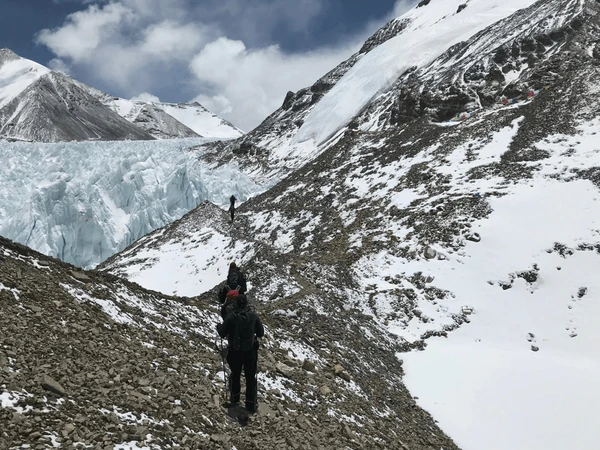
Many trekkers feel drawn toward Everest Advanced Base Camp because altitude, mystery, and challenge create strong curiosity. Climbers hear stories about thin air, freezing winds, and harsh terrain near North Col, which builds both excitement and fear. This route stands out as the highest non-technical trek on Everest’s north side, so people want clear guidance before committing. Curiosity grows as trekkers wonder whether their fitness, experience, or altitude tolerance can handle such extreme elevation.
In this blog readers gain simple explanations about Everest Advanced Base Camp, covering height, route layout, difficulty level, preparation steps, and differences from classic Everest Base Camp Trek. This guide also shows how trekkers move from Tibet toward ABC, what risks appear at six thousand meters, and how to prepare for stronger wind and lower oxygen. Readers finish with practical insight and clear direction for safe, informed planning.
What Is Everest Advanced Base Camp?
Everest Advanced Base Camp is a high-altitude staging point on the north side of Mount Everest used by climbers and high-altitude trekkers for acclimatization and approach toward North Col. This camp sits far above regular base camp, giving access to the upper glacier without technical climbing. Trekkers reach this point through a long approach from Tibet, passing rough terrain and steep sections. ABC offers a closer view of Everest’s north face, making it a major goal for high-altitude enthusiasts. Its height and cold environment demand strong preparation and previous altitude exposure.
Purpose of Advanced Base Camp centers on giving climbers a stable altitude point for acclimatization before moving toward North Col and higher camps. This camp stores gear, oxygen, and supplies while offering shelter for recovery during rotation cycles. Summit teams rest here to rebuild strength before entering extreme altitude. Trekkers also gain a unique chance to reach over six thousand meters without technical climbing, making ABC a major high-altitude goal while helping readers compare experiences with sections like the Khumbu Icefall.
Why Climbers Use ABC on the North Side?
- To adjust breathing patterns before climbing toward North Col.
- To reduce altitude shock during movements above six thousand meters.
- To store gear, oxygen, and supplies for upper camps.
- To monitor weather and plan safe ascent windows.
- To practice rope work and pacing strategies for higher sections.
- To shorten approach distance to steep north-face terrain.
- To maintain stronger physical condition before entering harsher zones.
How High Is Everest Advanced Base Camp?
Everest Advanced Base Camp sits at an altitude of 6,400 meters, where oxygen drops sharply and movement becomes slow. This height pushes the body into severe altitude stress, making each step feel heavier than lower treks. Trekkers experience colder winds, stronger fatigue, and slower recovery due to thin air. Such elevation requires careful acclimatization, steady pacing, and prior high-altitude exposure. ABC’s height makes it one of the highest trekking destinations reachable without technical climbing.
Exact Elevation (Approx. 6,400 m / 21,000 ft)
Everest ABC sits around 6,400 meters or roughly 21,000 feet above sea level. Oxygen levels drop to less than half of what people breathe at sea level, increasing strain on lungs and heart. Sleep becomes lighter, appetite decreases, and hydration demands rise. This elevation marks the boundary between trekking difficulty and true mountaineering pressure. Reaching ABC safely requires strong conditioning and clear pacing strategy, especially for those studying what climbing Everest involves at higher altitude.
Altitude Challenges at This Height
Altitude at six thousand meters brings slower breathing, reduced strength, and higher risk of altitude sickness. Climbers struggle with headaches, dizziness, and fatigue if acclimatization falls behind schedule. Cold air dries lungs and increases coughing, making hydration essential. Simple tasks take longer because the body needs extra time to adjust. Wind exposure worsens energy drain and forces climbers to maintain steady layering. Clear monitoring of symptoms becomes critical for safe progress.
Where Is Everest Advanced Base Camp Located?
Everest Advanced Base Camp is located on the Tibet side of Everest along the north route that leads toward North Col. This camp sits far above the standard base camp used by trekkers on the Nepal side. ABC lies on a long, rising glacier that stretches toward the steep walls of Everest’s northern face. Its position creates colder winds, harsher nights, and stronger altitude pressure than lower camps. This location plays a key role in shaping how climbers prepare for higher movements and helps compare ABC with challenges seen in the top 5 expedition in Nepal.
Position on the Tibet (North) Side
Everest ABC stands on the north slope inside Tibet at the end of a glacier route that begins near Rongbuk Base Camp. Climbers follow a gradual rise from Base Camp to Interim Camp before reaching ABC. The region remains dry, sharp, and wind-exposed due to plateau conditions. Views from this section reveal Everest’s full north face and the entrance toward steep ice fields. The remote setting limits rescue speed and demands strong acclimatization.
Link Between ABC and North Col Route
ABC connects directly to the path leading toward North Col, making it the main staging point for climbers moving above six thousand meters. Ropes and ladders begin beyond ABC as terrain shifts from trekking ground to steep ice. This camp stores oxygen, gear, and supplies needed for higher elevation. Climbers rest here before pushing toward North Col to test altitude response. ABC also acts as the launch point for rotation cycles that prepare teams for summit attempts.
How to Reach Everest Advanced Base Camp from Everest Base Camp?
You cannot directly reach Everest Advanced Base Camp from Everest Base Camp without technical climbing and proper expedition support. Everest Advanced Base Camp lies on the Tibet (north) side, while Everest Base Camp in Nepal is on the south side, separated by the summit of Mount Everest. To reach Advanced Base Camp, climbers must travel to Tibet and follow the North Col route with permits, guides, and mountaineering experience. This journey involves glacier travel, high-altitude camps, and technical sections, making it accessible only as part of a full Everest expedition.
Route From Lhasa to Base Camp
Travel starts in Lhasa, where trekkers spend days adjusting to Tibetan altitude. A highway route leads from Lhasa through Gyantse and Shigatse, passing plateaus and mountain passes above five thousand meters. The drive continues to Rongbuk, one of the world’s highest monasteries, located near the north-side Everest Base Camp. This route offers a gradual altitude rise, preparing trekkers for the higher push toward ABC. Road conditions remain stable, but cold winds and thin air challenge newcomers.
Trekking Sections From Base Camp to Interim Camp to ABC
From Base Camp, trekkers follow a rocky path along a wide glacier that stretches toward Interim Camp. This first section offers moderate slope but high altitude makes breathing slow. From Interim Camp the trail steepens, moving across loose moraine, ice patches, and exposed ridges. Final approach to ABC climbs sharply toward a long glacier shelf where tents sit on firm ice. Strong pacing, hydration, and rest breaks become essential during each stage. These segments test endurance far more than technical skill.
Permits and Regulations for Tibet Side Access
Entry to Everest’s north side requires travel permits issued by Chinese authorities, along with special Everest region approvals. Independent travel remains prohibited, so trekkers must join registered operators with authorized guides. Border checks verify permit status before granting passage into restricted regions. Environmental rules require trekkers to follow waste guidelines and respect controlled access zones. Strict regulations protect both climbers and the delicate high-altitude environment.
What Is the Difficulty Level of Everest Advanced Base Camp Trek?
Difficulty level of Everest Advanced Base Camp trek is very high because altitude rises above six thousand meters, where oxygen drops sharply and fatigue increases fast. The trail itself remains non-technical, yet the elevation makes each step slower and heavier. Trekkers face strong wind, freezing temperatures, and long travel days that strain stamina. Proper acclimatization becomes essential because mistakes at this height can escalate quickly. This trek suits experienced high-altitude trekkers rather than beginners and often raises questions such as is Everest climbing dangerous.
Physical Demand
Everest ABC demands strong endurance because trekkers move for long hours at extreme height. Even moderate slopes feel steep due to thin air, forcing slow and steady pacing. Carrying weight becomes harder because muscles tire faster above five thousand meters. Recovery takes longer, so rest days must be built into the schedule. Trekkers need months of preparation to handle strain without losing balance or energy.
Cold, Wind, and High-Altitude Stress
Cold air increases breathing difficulty, dries lungs, and reduces heat retention. Strong wind along the north approach pushes trekkers off balance and drains energy quickly. High altitude causes headaches, nausea, dizziness, and reduced appetite if acclimatization falls behind. Temperature drops sharply at night, freezing water and gear. Trekkers must watch symptoms closely to avoid dangerous altitude reactions.
Non-Technical but Extreme Elevation Challenge
The trek does not require rope skills or ice climbing, yet elevation makes it far more demanding than regular high-altitude treks. Oxygen levels drop to almost half of sea-level pressure at ABC, slowing movement and thinking. Simple tasks such as packing gear or tightening boots take extra time. High elevation also increases dehydration risk and weakens sleep quality. Trekkers must rely on disciplined pacing, hydration, and layering to move safely.
How to Prepare for Everest Advanced Base Camp?
To prepare for Everest Advanced Base Camp, trekkers build strong endurance, practice altitude habits, gather reliable cold-weather gear, and train their mindset for slow movement at extreme height. Fitness shapes how well the body handles long days above five thousand meters. Acclimatization practice helps lungs adjust before reaching ABC’s thin air. Correct gear protects trekkers from harsh wind and freezing nights. Mental readiness supports steady pacing when fatigue rises near six thousand meters.
Fitness Training Requirements
Trekkers strengthen legs through uphill hikes, stair climbs, and long-distance walking with added weight. Endurance training improves breathing control for slow movement at altitude. Core sessions stabilize balance on rocky glacier paths. Regular cardio builds lung capacity for sustained effort in thin air. Flexibility drills reduce muscle strain during multi-hour climbs. Consistent training over months prepares the body for ABC’s demanding terrain.
Altitude Conditioning Tips
Altitude conditioning starts with prior treks above four thousand meters to understand personal response to low oxygen. Trekkers learn slow pacing, deep breathing, and steady hydration to protect lungs and circulation. “Climb high, sleep low” routines prepare the body for longer stays above five thousand meters. Rest days become essential for adapting safely. Monitoring symptoms such as headaches, dizziness, or nausea helps prevent serious altitude issues. Early exposure builds confidence before entering ABC’s extreme environment.
Gear Needed for North-Side Conditions
North side requires insulated boots, warm base layers, down jackets, and windproof shells to block harsh gusts. Gloves, mittens, and face protection shield skin from freezing wind. Sunglasses and sunscreen protect eyes and face from strong UV at high elevation. Sleeping systems with sub-zero ratings keep trekkers warm during long, cold nights. Trekking poles, gaiters, and sturdy packs improve balance on uneven glacier terrain. Reliable gear ensures comfort, safety, and efficiency throughout the journey.
Mental Readiness for Harsh Environment
Trekkers prepare mentally by accepting slow pace, thin air, and limited comfort at extreme height. Mental focus helps maintain calm during long days when energy fades. Awareness of changing weather and altitude symptoms supports better decision-making. Positive mindset reduces stress when conditions feel overwhelming. Practicing patience, discipline, and controlled breathing builds resilience for ABC’s demanding environment. Mental strength becomes as important as physical readiness for a safe trek.
Everest Base Camp vs Advanced Base Camp
Everest Base Camp and Everest Advanced Base Camp differ sharply in height, difficulty, and required experience. Regular Base Camp sits far lower and allows trekkers to move comfortably without extreme altitude strain. Advanced Base Camp rises into a zone where oxygen drops fast, weather toughens, and fatigue builds quickly. These differences shape who should attempt each route. Trekkers choose based on fitness level, altitude history, and desired challenge.
Key Differences in Height
Everest Base Camp on the Nepal side sits around 5,364 meters, while Advanced Base Camp on the Tibet side reaches roughly 6,400 meters. ABC’s height creates heavier breathing, slower recovery, and stronger altitude stress. Regular EBC allows steady movement without extreme oxygen loss. ABC demands prior high-altitude exposure because the jump between camps is steep. Height difference alone makes ABC a far more serious goal.
Trekking Difficulty Comparison
EBC offers a moderate high-altitude trek with steady trails, teahouse support, and predictable pacing. ABC requires movement on glacier terrain where wind, cold, and thin air slow progress. EBC lets beginners with good fitness reach the camp safely. ABC asks for stronger conditioning, patience, and disciplined pacing. Fatigue builds quickly near ABC due to low oxygen, making each hour more demanding than lower camps.
Which Experience Suits Which Trekker?
EBC suits trekkers seeking a challenging but accessible Himalayan journey with cultural stops and steady trails. ABC suits experienced high-altitude trekkers who handled elevations above five thousand meters before. EBC works well for first-time Himalayan travelers. ABC appeals to climbers or serious trekkers aiming to test performance near mountaineering altitude. Fitness, preparation, and comfort with thin air determine which trek fits each person.
Is Everest Advanced Base Camp Safe?
Yes, Everest Advanced Base Camp can be safe when trekkers follow guided support, maintain slow pacing, and manage altitude correctly. ABC sits at extreme height, so risk increases for those without prior high-altitude experience. Cold wind, thin air, and long travel days demand strong preparation. Guided teams reduce danger through structured acclimatization and steady monitoring. Safety depends on discipline and awareness rather than technical skill.
How Long Does It Take to Reach Everest Advanced Base Camp?
Everest Advanced Base Camp usually takes ten to fifteen days to reach depending on acclimatization, weather, and pacing. Travel begins with a drive across Tibet, followed by gradual altitude gain toward Base Camp. Trekkers then move through glacier terrain toward Interim Camp before the final push to ABC. Slow movement protects the body from altitude stress. Total time varies, but controlled pacing ensures safer progress.
Travel Timeline
Travel starts with several days driving from Lhasa to Everest Base Camp, allowing the body to adjust before trekking. Base Camp to Interim Camp usually takes one long day at steady pace. Interim Camp to ABC often requires another demanding day on rising glacier terrain. Weather, wind, and altitude influence movement speed across each segment. Most teams follow a fixed schedule to avoid rushing at extreme height.
Acclimatization Days Required
Trekkers spend extra days at Base Camp to let lungs adjust before climbing higher. Interim Camp often serves as another acclimatization stop, helping the body handle the jump toward ABC. Rest days reduce headache, fatigue, and breathing stress caused by sudden altitude gain. Acclimatization also improves sleep quality before entering harsher zones. These extra days form a key part of safe movement toward ABC.
Which Company Offers Advanced Base Camp Trek?
Marvel Treks offers Advanced Base Camp trek with expert support across the Tibet side. The company manages altitude planning, route safety, and strict logistics to ensure a safer journey in harsh high-altitude conditions. Trekkers benefit from structured acclimatization, clear communication, and proper gear handling throughout the expedition. With experienced guidance, the trek becomes more controlled, comfortable, and successful even in extreme environments.
Key Qualities of a Reliable Operator
- Uses guides who understand north-side altitude pressure, pacing strategy, and emergency response.
- Plans structured acclimatization days that protect trekkers from altitude shock.
- Provides strong camp management with warm tents, safe water, and reliable meals.
- Tracks weather, wind speed, and route conditions before moving higher.
- Maintains clear communication for health checks and decision-making.
- Handles Tibet permits, regulations, and travel arrangements without confusion.
- Supplies correct gear guidance for extreme cold and glacier terrain.
Why Marvel Treks Is a Strong Choice?
Marvel Treks offers steady north-side guidance, strong acclimatization schedules, and reliable support for trekkers moving toward ABC. Their experienced teams, recognized as the best expedition company in Nepal, understand pacing, hydration, and altitude control required at six thousand meters. Camp setups stay organized, warm, and safe during harsh nights, improving recovery and comfort. Weather tracking, health monitoring, and route assessment reduce unnecessary risk. Trekkers gain structured planning, dependable leadership, and proven high-altitude care throughout the journey.
Conclusion
Everest Advanced Base Camp stands as one of the highest trekking destinations in the world, reaching roughly 6,400 meters where oxygen drops sharply and movement slows. Its height, cold wind, and glacier terrain create a demanding journey, yet the experience offers rare views of Everest’s north face and a close approach to North Col. Difficulty rises with altitude pressure, long days, and harsh conditions, making ABC a challenge suited for trekkers with strong preparation.
Proper training, altitude experience, and disciplined pacing help trekkers handle this extreme environment safely. Trusted guidance ensures controlled acclimatization, steady decision-making, and secure progress across each stage of the route. Safe movement at this height requires awareness, patience, and respect for high-altitude limits. With the right support, trekkers reach ABC with confidence and a deeper understanding of Himalayan terrain.
Is Everest Advanced Base Camp harder than regular Everest Base Camp?
Yes, Everest ABC is much harder because altitude reaches around 6,400 meters, far above the south-side Base Camp. Trekkers face colder nights, thinner air, and longer acclimatization needs.
Do you need climbing skill to reach Everest Advanced Base Camp?
No technical climbing is needed, but strong fitness and high-altitude experience are important. The trek remains demanding due to steep sections and harsh weather.
How long does it take to reach Everest Advanced Base Camp?
Trekkers usually spend ten to fifteen days reaching ABC depending on acclimatization stops. Travel begins in Tibet and follows Base Camp to Interim Camp before reaching ABC.
Can beginners attempt Everest Advanced Base Camp?
Beginners without altitude experience should avoid ABC because elevation stress becomes severe. Basic high-altitude trekking background makes the journey safer.
Can trekkers sleep at Everest Advanced Base Camp?
Yes, sleeping at ABC is possible because expedition teams use it as a staging camp. Still, nights feel extremely cold, and oxygen levels remain very low.
How cold does Everest Advanced Base Camp get?
Temperatures can fall below minus twenty degrees Celsius, especially during night hours. Wind chill makes the environment feel far colder, requiring strong gear.
Do you need special permits for Everest ABC?
Yes, the Tibet side requires Chinese travel approval plus Everest region permits. Trekkers must join a registered operator because independent travel is not allowed.
Is Everest Advanced Base Camp safe with guided teams?
Guided teams improve safety through controlled pacing, correct acclimatization, and steady route management. Conditions remain extreme, but structured support lowers risk.

Ready for your next Himalayan adventure?
Plan Your Next Big Adventure with Us
Explore Our AdventuresJoin our expert-guided journeys across Nepal and beyond, from classic trails to epic summits.