
Khumbu Icefall : How To Cross Safely?
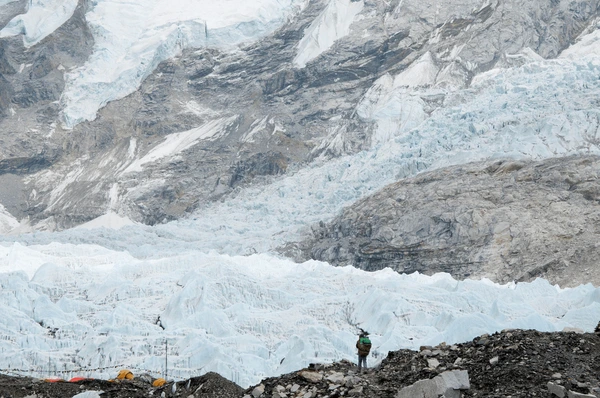
Many climbers fear Khumbu Icefall because stories about falling blocks, collapsing ladders, and deep crevasses create strong anxiety. Curiosity grows as climbers imagine shifting terrain, early-morning rush, or sudden movement under their feet. This section holds a powerful reputation as Everest’s most feared obstacle due to constant glacier motion and unpredictable hazards. Such fear often forms before climbers even reach Base Camp, making clear guidance important for confidence and safety.
In this blog readers gain simple answers about danger level, location, crossing time, and safety methods. Readers also learn how Sherpa teams guide movement, why timing matters, and how smart preparation lowers risk. This guide aims to explain Khumbu Icefall without exaggeration, helping climbers replace fear with informed awareness and practical understanding.
What Is Khumbu Icefall?
Khumbu Icefall is a fast-moving glacier section near Everest Base Camp that shifts, cracks, and reshapes every day. Climbers encounter deep crevasses, unstable blocks, and steep ice walls that require focus and controlled movement. Constant motion creates fresh hazards, so teams depend on fixed ropes, ladders, and expert Sherpa guidance. This zone becomes a major challenge because its structure changes without warning, raising risk during each crossing and influencing the overall safety level of Everest expedition.
Formation and Movement of the Icefall
Khumbu Icefall forms when glacier ice flows downhill from Everest’s upper basin toward lower valleys. Gravity pushes ice through narrow channels, forcing blocks to break, tilt, or stretch under pressure. This motion creates crevasses, towers, and ridges that shift even while climbers move across them. Warmer sunlight increases surface melting, causing faster ice movement during daytime hours. Climbers cross early because colder conditions slow movement and reduce sudden collapses.
Why Does It Looks Different from Other Glacier Sections?
Khumbu Icefall looks different because heavy glacier pressure creates extreme shapes not seen on stable ice fields. Crevasses open wide, towers lean at sharp angles, and blocks stack unpredictably. Surface patterns reveal stress lines, showing how ice folds under constant motion. Other glaciers move slowly, while Khumbu Icefall shifts meters per day, forming new paths regularly. This rapid change gives the Icefall its jagged, chaotic, and dramatic appearance.
Where Is Khumbu Icefall Located?
Khumbu Icefall is located above Everest Base Camp on the Nepal side, sitting at the entry point of the South Col route. Climbers step into this section shortly after leaving camp because the glacier drops sharply toward lower valleys. This position makes Khumbu Icefall the first major obstacle during climbing Everest. Its location forces every South Col team to face moving ice, deep cracks, and steep climbs before reaching safer ground.
Position Between Everest Base Camp and Western Cwm
Khumbu Icefall rises directly above Base Camp and leads into Western Cwm, a broad valley of snow and sun-exposed slopes. Climbers leave Base Camp in darkness to reach Icefall ladders while the glacier remains colder and less active. This path climbs through crevasses, ice towers, and fixed ropes before easing into the open stretch of Western Cwm. Movement through this area marks progress toward Camp One and later Camp Two. Crossing this section places climbers on the main route toward higher camps.
Why All South Col Climbers Must Cross It?
- Khumbu Icefall forms the only passage linking Everest Base Camp to higher camps on the South Col route.
- No alternate terrain allows safe movement toward Lhotse Face, Camp Three, or the summit ridge.
- Rope teams and ladder setups guide climbers through shifting ice to reach Western Cwm.
- Acclimatization cycles require repeated crossings during rotations.
- Mastery of this zone becomes necessary for progress toward summit goals.
Why Is Khumbu Icefall Dangerous?
Khumbu Icefall is dangerous because glacier motion, collapsing blocks, shifting ladders, and deep cracks create unpredictable hazards. Climbers face moving terrain that changes shape within hours, forcing quick decisions under pressure. Sunlight increases ice movement, raising risk during later parts of the day. These factors make this section one of the most feared parts of Everest’s South Col route.
Crevasses and Ice Towers
Crevasses cut deep through the glacier, creating gaps that require ladders or careful rope use. Some cracks widen without warning, making earlier paths unsafe within a short time. Ice towers stand above climbers and tilt as glacier pressure shifts below. These towers collapse randomly, sending chunks into crossing zones. Climbers rely on Sherpa guidance to move efficiently through these hazards.
Constant Glacier Movement
Khumbu Icefall moves several feet per day because gravity pushes ice through a narrow valley. This motion stretches, breaks, and shifts blocks even while teams climb. Stable-looking paths can shift quickly, creating fresh hazards. Ladders may reposition due to movement, requiring constant adjustment by Sherpa teams. This nonstop motion makes planning difficult and demands early crossings before acceleration increases.
Falling Seracs and Unstable Blocks
Seracs stand as massive frozen pillars that break under stress from shifting ice. These blocks fall without warning and strike lower paths with huge force. Climbers must move quickly under serac zones to reduce exposure risk. Unstable ridges lean and crack due to internal pressure within the glacier. These shapes create unpredictable walls that change overnight.
Heat, Time Pressure, and Early-Morning Crossings
Heat speeds glacier movement, so climbers cross before sunrise when ice stays firm. Early hours reduce risk but create time pressure because teams must clear the area before sunlight warms the surface. Rising heat softens ladders, weakens anchor points, and increases collapse chances. Climbers push steady pace to avoid crossing during mid-morning shifts. This balance between speed and safety makes timing crucial.
How Long Does It Take to Cross the Khumbu Icefall?
Khumbu Icefall crossing time varies because terrain shifts, weather conditions change, and climber pace differs each day. Most climbers need several hours to move from Base Camp to Western Cwm during safe early-morning periods. Faster groups move steadily through ladders and rope lines, while slower groups pause often for balance and recovery. Crossing time is important because longer exposure increases risk as sunlight warms the glacier, a factor often discussed when comparing Everest with the 5 popular expedition in Nepal.
Average Crossing Time for Climbers
Most teams spend four to seven hours moving through the Icefall depending on fitness, load weight, and experience. Sherpas often move faster because they know the terrain and hold strong pacing skills. Climbers adjust speed to maintain balance on ladders and fixed ropes. Early progress remains crucial because longer delays increase exposure to shifting ice. Average time shortens with practice during multiple rotations.
Factors That Slow or Speed the Crossing
Fitness: Stronger climbers move steadily across steep sections without frequent stops. Limited fitness slows breathing, reduces balance, and forces longer rests. Better conditioning cuts exposure time.
Traffic: Crowded paths create delays at ladders, anchors, or narrow passages. Slow groups block progress for faster climbers behind them. Clear routes allow smoother movement.
Weather: Cold mornings support firmer ice and faster progress. Wind, snow, or rising heat reduce visibility, increase fatigue, or soften surfaces. Poor weather forces slower, cautious steps.
Rope setup: Fresh ropes and stable ladders speed movement because climbers trust each anchor. Damaged lines or loose ladders require adjustments by Sherpa teams, creating delays. Good setup improves timing and confidence.
How Many People Have Died on Khumbu Icefall?
More than forty people have died on Khumbu Icefall since major Everest expeditions began. Estimates place total deaths around forty-seven to forty-eight from 1953 to 2023. Most casualties were Sherpas moving early for rope fixing, ladder work, or load carrying while glacier movement remained high. These numbers show how dangerous this section becomes even with skilled teams and modern support.
Major Incidents and Historical Data
Khumbu Icefall saw several tragic events, including the 2014 serac collapse that killed sixteen Sherpas in a single morning. This stands as one of Everest’s deadliest accidents. In 2023 another collapse killed three Sherpas during rope-fixing duties. Smaller incidents occurred across earlier decades when rope systems remained less advanced than today. These events formed much of Everest’s risk history and shaped modern safety practices.
Why Fatality Numbers Change Over Time?
Fatality numbers shift because glacier movement speeds vary each year. Warm seasons cause faster ice flow, increasing collapse risk. Climbing traffic also changes exposure because more climbers create slower movement through narrow paths. Improved forecasting, better ladders, and stronger Sherpa training reduce some danger but cannot fully remove unpredictable ice shifts. Updated route choices each season also influence safety levels.
What Modern Safety Methods Reduced Risk?
Modern teams reduce risk with early-morning crossings when colder air slows glacier movement. Sherpas use stronger ladders, more secure anchor points, and improved fixed ropes. Weather tracking, satellite communication, and drone scouting help identify dangerous seracs before major rotations begin. Training for climbers and Sherpas builds faster movement and better balance on uncertain ground. These methods lower exposure time and improve survival odds while crossing the Icefall.
How Climbers Reduce Risk in the Icefall?
Climbers reduce risk in Khumbu Icefall by moving early, trusting skilled Sherpa teams, using correct rope technique, plus choosing reliable expedition companies. Each step lowers exposure to shifting ice and falling seracs. Safe movement depends on timing, discipline, and steady guidance. Strong planning protects climbers during repeated crossings.
1. Early Crossings Before Sunrise
Climbers cross before sunrise because colder hours slow glacier movement. Harder ice creates firmer ladders, stronger anchor points, and fewer sudden shifts. Early progress reduces exposure as sunlight melts surface layers and speeds block movement. Faster movement during this window keeps climbers safer during steep climbs and ladder crossings.
2. Following Sherpa Guidance
Sherpas guide climbers through safe paths because they understand fresh cracks, weak bridges, and unstable blocks. Their experience identifies spots that require faster movement or cautious steps. Sherpas control pace to limit fatigue and maintain balance on uneven ground. Trusting their direction lowers risk during uncertain sections. Their leadership provides confidence throughout the Icefall.
3. Using Fixed Ladders and Ropes Correctly
Correct ladder and rope technique keeps climbers steady across crevasses and vertical sections. Climbers clip properly to fixed lines to prevent falls during slips or sudden ice shifts. Balanced steps, controlled breathing, and steady rhythm make crossings smoother. Regular practice helps climbers stay calm on narrow ladders and unstable surfaces. Good technique lowers mistakes that cause accidents.
4. Expedition With Trusted Company (Marvel Treks)
Climbers reduce risk by joining trusted companies that manage safety systems with precision. Marvel Treks uses trained Sherpa teams, secure ladders, strong ropes, and reliable oxygen support. Their crews monitor weather, inspect ice conditions, and adjust routes before each rotation. Clear planning protects climbers from unnecessary exposure inside the Icefall. Strong leadership from Marvel Treks creates safer, faster, and more controlled crossings.
Conclusion
Khumbu Icefall carries danger because glacier movement, deep crevasses, unstable blocks, plus falling seracs create unpredictable conditions. Climbers face shifting terrain, time pressure, and cold exposure during every crossing. Skilled preparation reduces these risks by improving balance, strength, and technique. Strong guidance, early timing, and correct equipment help climbers move safely through this demanding section.
Safe climbing practice begins with respecting the Icefall’s constant motion. Climbers who follow Sherpa direction, train for technical steps, and choose trusted expedition teams gain better control and confidence. Respect for this area shapes smarter decisions and leads to safer progress toward higher camps.
What is the Khumbu Icefall and why is it the deadliest part of Everest?
Khumbu Icefall is a fast-moving glacier above Everest Base Camp that shifts, cracks, and collapses without warning. It becomes deadly because crevasses, seracs, and unstable blocks move constantly, creating hazards even for skilled climbers.
How deep is the Khumbu Icefall crevasse?
Crevasses in Khumbu Icefall can reach depths of fifty to one hundred feet or more depending on glacier pressure. These cracks form unpredictable gaps that require ladders or rope systems for safe crossing.
How long does it take to cross the Khumbu Icefall?
Most climbers need four to seven hours to cross this section during early-morning periods when ice movement slows. Time varies based on fitness, traffic, weather, and rope setup.
Which route is hardest on Everest?
The South Col route’s Khumbu Icefall is considered the hardest section for constant glacier movement and serac danger. The North Col route holds steep, wind-exposed traverses, but Icefall movement makes South Col crossings more unpredictable.
How to avoid the Khumbu cough?
Climbers avoid Khumbu cough by covering the mouth with a buff, hydrating often, and pacing breathing during cold or dusty sections. Slow, controlled airflow reduces throat irritation caused by dry, thin air.
How to cross Khumbu Icefall?
Climbers cross Khumbu Icefall by following Sherpa guidance, clipping into fixed ropes, and moving early before sunlight heats the glacier. Balanced steps, calm breathing, and steady rhythm across ladders improve safety.
What is the safest time to cross the Khumbu Icefall?
The safest time is before sunrise when ice remains firm and movement slows. Cold conditions reduce collapses, giving climbers a narrower but safer window.
Do climbers cross the Khumbu Icefall more than once during Everest expedition rotations?
Yes, climbers cross this section multiple times during acclimatization cycles as they move between Base Camp and higher camps. Each rotation prepares the body for thin air before the final summit push.
Can beginners safely cross the Khumbu Icefall with proper guidance?
Beginners with strong training and high-altitude experience can cross safely under Sherpa supervision. Skill, fitness, calm movement, and disciplined rope use remain essential for reducing risk.

Ready for your next Himalayan adventure?
Plan Your Next Big Adventure with Us
Explore Our AdventuresJoin our expert-guided journeys across Nepal and beyond, from classic trails to epic summits.