
What Are Top 5 Expedition in Nepal?
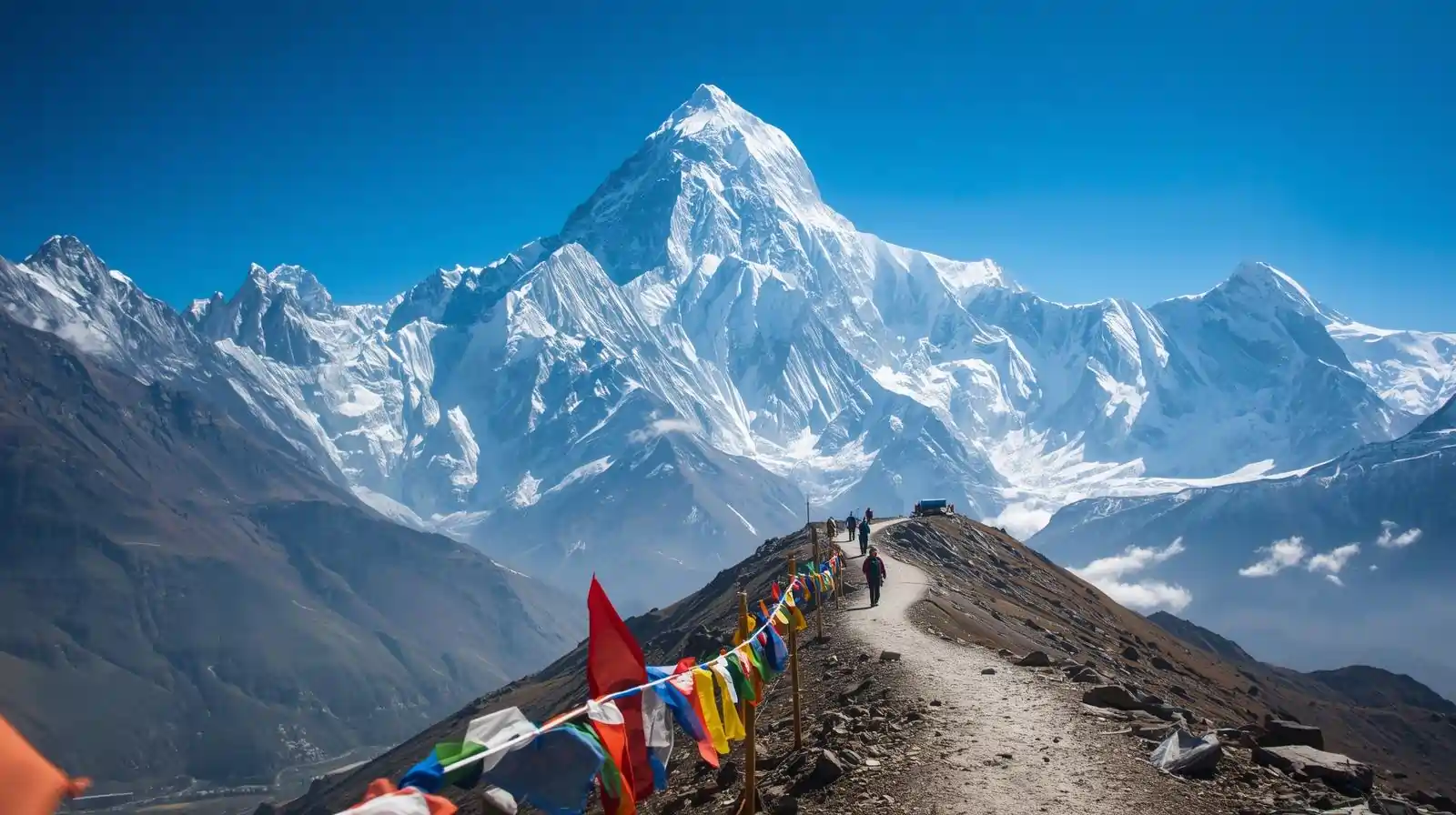
Many climbers dream about standing on a summit yet struggle to find clear guidance. Confusion about peak options, safety planning, cost, best time, and required skill often blocks that dream. Some fear failure due to altitude or lack of knowledge. Others waste time searching unreliable sources. This page solves those problems by giving simple direction, so aspiring climbers feel prepared rather than overwhelmed.
In this blog, readers gain a direct overview of expedition in Nepal, along with insight on popular peaks, skills needed, timing, cost factors, and preparation steps. This page highlights top Himalayan climbs for 2026 while breaking down what each offers. Expect clarity, practical value, and information that supports smart decision making for your next high-altitude journey.
What is an Expedition?
Expedition is a planned climb on high peaks that demands strength, skill, and support. Climbers face altitude pressure, cold, and long routes, so groups rely on Sherpa guides, permits, base camps, and proper acclimatization. Purpose centers on reaching a summit while staying safe through training and teamwork. Successful expeditions blend discipline, preparation, and guided strategy to reach goals without risking lives.
Trekking vs Expedition : What Makes Expeditions Different?
Trekking follows marked trails and needs fitness but minimal technical skill, while expedition climbing adds rope systems and steep terrain. Expeditions use fixed lines on ice or rock, demand crampon work, and involve summit push plans rather than simple walking days. Risk level rises due to crevasses, altitude, and changing weather, so planning covers gear, oxygen strategies, Sherpa teams, and safety protocols. This depth of preparation makes expeditions far more complex than standard trekking routes.
Top 5 Expedition in Nepal
Nepal hosts iconic summits that test skill, patience, and endurance. Each peak offers unique terrain, culture, and challenge. These five climbs guide beginners, intermediate climbers, and elite mountaineers toward higher goals. Here is a brief breakdown before selecting your route.
1. Everest Expedition (8,848.86 m)
Everest sits at the top of many bucket lists because climbers see it as the ultimate test of human resolve. Many choose the climbing Everest journey through Nepal’s South Col route, which passes the Khumbu Icefall, Western Cwm, Lhotse Face, South Summit, then the final ridge, while Tibet’s North Ridge route crosses steep exposed sections and higher wind zones.
Expedition length reaches nearly two months due to acclimatization cycles, weather waiting, and summit rotation planning. Climbers must hold prior high-altitude experience, glacier travel ability, and solid rope skills because failure to manage these risks leads to fatigue or retreat. Highlights include standing above cloud layers, connecting with elite Sherpa guides, and experiencing life at Base Camp, which feels like a temporary mountain city. Summit success continues to rise because guiding knowledge grows, oxygen systems improve, yet its death zone altitude makes Everest a serious challenge.
2. Manaslu Expedition (8,163 m)
Manaslu attracts climbers who want to enter the eight-thousand meter circle without the pressure level found on Everest. This peak trains climbers in endurance, high camp movement, and ice travel under controlled guidance, making the manaslu expedition a strong step toward higher Himalayan goals.
Route features involve snow slopes, moderate crests, and segments where Sherpa teams fix lines to keep progression safe. Manaslu helps climbers understand rotation systems because the mountain allows multiple camp moves before summit push. Many Everest aspirants use Manaslu to test body response to altitude, refine gear use, and build confidence on oxygen-free sections.
3. Ama Dablam Expedition (6,812 m)
Ama Dablam rises sharply above the Khumbu region, offering stunning views and technical terrain rarely found on peaks below seven thousand meters. Climbers here practice rock climbing moves, mixed climbing, and exposed ridge crossings, making it an iconic objective. Knife-edge sections near the summit require balance, rope handling, and mental focus, which benefits those aiming at tougher peaks in the future. Intermediate mountaineers enjoy this summit because it upgrades their skill set while providing a dramatic Himalayan experience close to Everest valley. Camps sit near steep zones, so climbers learn anchor placements, jumaring, abseiling, and teamwork in tight spots, making the expedition of ama dablam a valuable progression toward more advanced climbs.
4. Baruntse Expedition (7,129 m)
Baruntse lies in a secluded valley accessed through the Makalu area or through Hongu Valley, making approach much longer than commercial routes near Everest. Its location gives it fewer crowds but demands tougher logistics, careful camp builds, and glacier crossings.
Peak design includes long snow ridges, steep ice faces, and crests where rope systems run continuously, so users refine fixed-line climbing and movement rhythm. Baruntse suits climbers who hold experience and want to transition toward eight-thousand meter peaks because conditions mimic tougher mountains without overcrowding. Summiting Baruntse builds confidence, resilience, and respect for remote climbing environments, making the baruntse expedition a strong progression choice for developing mountaineers.
5. Himlung Expedition (7,126 m)
Himlung stands northwest of Annapurna region and offers a calm expedition setting with gradual slopes. Many teams find it suitable for first-time expedition climbers because camps rise slowly, allowing better adjustment. Sherpa teams set fixed lines where needed, but terrain stays manageable for those building foundational skills.
Climbers gain high-altitude experience, refine camp routine discipline, and test gear performance. Summit success rates remain high because weather windows stay favorable, route angle stays modest, and safety oversight by guides remains strong. This peak acts as a stepping stone for climbers looking to graduate toward Baruntse, Ama Dablam, or Manaslu, making the himlung expedition an ideal entry point for higher Himalayan goals.
Why Nepal is the Best Destination for High-Altitude Expeditions?
Nepal is best destination for high-altitude expeditions because climbers gain access to major Himalayan peaks, skilled support, and established climbing culture. Climbers also benefit from stable spring and autumn seasons that offer reliable summit windows. International teams return each year because Nepal combines challenge, beauty, and proven success routes.
- Eight out of fourteen eight-thousand meter peaks sit inside Nepal’s borders, offering unmatched objectives.
- Sherpa communities hold deep climbing knowledge, guiding teams safely through steep terrain.
- Base camp setups, flight routes, and porter systems make logistics more approachable for foreign climbers.
- Long Himalayan history shapes training, teamwork, and respect for mountain life.
- Local guides refine rescue response, oxygen systems, and rope fixing standards.
- Expedition culture influences global mountaineering, with Nepal serving as training ground for elite teams.
- Climbers feel inspired by diverse landscapes, sacred mountain stories, and successful summit records.
When is the Best Time for Expedition in Nepal?
Best time for expedition in Nepal is spring and autumn because weather stays clearer, snow stability improves, and summit windows remain more predictable. Climbers favor these months due to safer climbing conditions and higher success rates. These seasons also offer better acclimatization outcomes which improves overall performance.
Spring Season (March–May)
Spring brings rising temperatures, longer daylight, and gradual snow melt that makes rope fixing easier. Teams start acclimatization rotations early and build momentum toward late April or May summit pushes. Base camps remain lively during this period, with stable weather patterns supporting training, rest, and movement between camps. Flowering valleys and calm winds enhance morale, making spring a strong favorite for Everest, Manaslu, and Himlung.
Autumn Season (September–November)
Autumn follows the monsoon, so skies clear and temperatures drop, creating crisp air and strong views. Climbers appreciate less wind compared to winter and cooler but manageable conditions. Autumn attracts expeditions heading for Ama Dablam, Baruntse, and Manaslu due to calm nights and reliable high camp stability. Lower humidity and fewer crowding factors also improve experience, making this period ideal for technically demanding summits.
What Permits Are Required for Expeditions in Nepal?
The permits required for expeditions in Nepal are climbing permits, liaison officer approvals, insurance documents, and waste management deposits. Ministry fees apply to each peak, and higher summits carry higher rates. Teams receive liaison officers who monitor safety, logistics, and coordination between climbers and authorities. Insurance coverage protects climbers, guides, and support staff in case of accidents or evacuation needs. Garbage deposits ensure waste removal from mountains, promoting cleaner expedition environments and responsible climbing practice.
How to Prepare for Expedition in Nepal?
To prepare for expedition in Nepal you need to build strength, learn climbing skills, train for altitude, and sharpen mental focus. Climbers who train early reduce injury risks and perform better under pressure. Preparation also improves confidence, teamwork, and safety during summit pushes. Good planning turns challenges into manageable steps rather than stressful surprises.
Physical Fitness Training Plan
Training should include cardiovascular work such as hiking, running, or cycling to improve endurance. Strength training targets legs, core, and upper body because climbers carry loads across steep ground. Altitude conditioning through multi-day hikes or simulated elevation builds tolerance for thin air. Climbers who follow structured routines handle long summit days with less fatigue.
Technical Skills Required
Expeditions require knowledge of crampon movement on ice, rope handling, and fixed line progression. Team members learn crevasse rescue technique and ice climbing basics to respond fast when terrain turns complex. Practicing these skills before arrival saves time and prevents mishaps on glacier routes. Training sessions at climbing gyms or mountain schools help refine technique and decision making.
Mental Readiness and Decision Skills
Mental readiness matters because fatigue, cold, and fear test patience. Climbers need focus, calm thinking, and willingness to turn back when danger rises. Decision skills help groups pace movement, conserve energy, and react wisely during storms or altitude illness. Teams that maintain positive mindset stay resilient through setbacks and reach camps safely.
Essential Gear Checklist for Expedition in Nepal
- High-altitude boots keep feet warm and stable on ice, preventing frostbite during long summit days.
- Climbing harness supports safe movement during rope crossings, glacier travel, and crevasse rescue.
- Jumar enables upward travel on fixed lines while saving energy on steep sections.
- Sleeping system including insulated bag and mat protects climbers from freezing nights at camp.
- Oxygen setup serves Everest and other extreme peaks where altitude pressure becomes dangerous.
- Radio or communication device connects climbers with base camp for updates, rescue alerts, and route coordination.
- Layered clothing, helmets, gloves, and sunglasses complete safety requirements for changing weather zones.
What Is Cost of Expedition in Nepal : What Affects Pricing?
The cost of expedition in Nepal is around fifteen thousand to forty-five thousand US dollars depending on peak choice, services, and support level. Higher summits with complex risks demand more logistics, advanced equipment, and experienced Sherpa teams. Pricing rises when climbers request oxygen, premium gear, or extra safety layers. Budget decisions should focus on value, safety, and reliability rather than lowest rate.
Permit Fees
Permit fees depend on peak height and season. Everest carries the highest cost, while six-thousand meter peaks require smaller fees. These payments support regulation, rescue setup, and environmental oversight. Government pricing influences overall expedition investment.
Sherpa Team Support
Sherpa guides take lead roles on mountains through rope fixing, camp builds, and summit support. Experienced Sherpas increase success rates but also increase pricing. Their fees include insurance, equipment, bonuses, and wages. Teams with skilled Sherpas often provide safer and more efficient experiences.
Logistics and Insurance
Transport, food, tents, cooks, and medical care form the backbone of expedition logistics. Insurance for climbers and crew covers evacuation, rescue, and accidents. These elements protect life, so cutting costs here risks failure or danger. Better logistical planning improves comfort, strength recovery, and morale.
Oxygen and Base Camp Services
Oxygen systems, regulators, and cylinders raise costs because they require supply chains and trained oversight. Base Camp services such as power, communication, and medical tents also shape pricing. Teams aiming for smoother expedition life pay more for comfort systems. Smart investment here increases safety and summit potential.
Which is the Best Expedition Company in Nepal?
The best expedition company in Nepal is Marvel Treks. Marvel Treks offers value for money through transparent pricing, efficient logistics, and professional Sherpa leadership. Their teams emphasize safety by using fixed-ropes, high-quality gear, experienced guides, and thorough acclimatization schedules. They provide reliable insurance, emergency evacuation plans, and secure base-camp systems. Clients receive well-organized support from start to summit, which builds trust and improves success chances.
Marvel Treks also pays attention to detail such as clean campsites, waste management, and respectful treatment of local environments. They maintain clear communication with climbers before and during climbs, updating about weather, route, and health conditions. Their track record shows consistent summit attempts with minimal safety incidents. For climbers seeking a dependable, well-managed expedition with high safety standards, Marvel Treks stands out as a top choice.
Expedition in Nepal offers thrill, challenge, and pride for climbers who want to push beyond limits. Each peak teaches lessons about discipline, teamwork, and nature’s power, while routes provide life-changing views and personal growth. With clear planning, proper training, and reliable guidance, climbers reduce fear and increase success chances.
Nepal remains the best ground for high-altitude climbing because of strong Sherpa support, diverse peaks, and proven expedition heritage. Right information and trusted operators help climbers make smart choices, stay safe, and enjoy every step of the journey.
Ready for your Himalayan climb? Contact Marvel Treks and move closer to your summit dream through expert guidance and safe planning. Reach out today and start preparing for the adventure of a lifetime.
What is an expedition in Nepal?
An expedition in Nepal refers to high-altitude mountain climbing that involves technical ascents, fixed ropes, permits, Sherpa support, acclimatization phases, and a summit attempt on peaks ranging from 6000 to 8800 meters.
Which is the best expedition in Nepal for beginners?
Himlung (7126 m) is commonly considered the best beginner-friendly expedition because it offers manageable altitude gain, steady routes, and high success rates with proper guidance.
When is the best time for expeditions in Nepal?
Spring (March–May) and autumn (September–November) offer stable weather, safer climbing windows, and better summit success rates.
How long does an expedition in Nepal take?
Most expeditions take between 30 and 60 days depending on the peak, route, acclimatization schedule, and weather conditions.
Do I need mountaineering experience to join an expedition?
Yes. Expedition peaks require fitness, technical ability, and prior climbing or high-altitude trekking experience, though beginner 7000m peaks are suitable for first-time climbers with training.
How much does an expedition in Nepal cost?
Costs vary widely, ranging from USD 6,000 to over USD 45,000 depending on the peak, logistics, safety support, Sherpa team, oxygen, and permit fees.
Which is the best expedition company in Nepal?
The best expedition companies are those with reliable Sherpa leadership, safety systems, proven summit records, and transparent pricing. Operators such as Marvel Treks are known for premium logistics and high success rates.
Do I need oxygen for every expedition in Nepal?
Not all expeditions require oxygen. Peaks like Everest and some 8000m expeditions use oxygen, while many 6000m and 7000m peaks can be done without it depending on climber ability and guiding strategy.

Ready for your next Himalayan adventure?
Plan Your Next Big Adventure with Us
Explore Our AdventuresJoin our expert-guided journeys across Nepal and beyond, from classic trails to epic summits.