
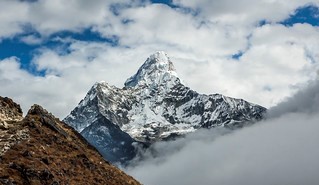
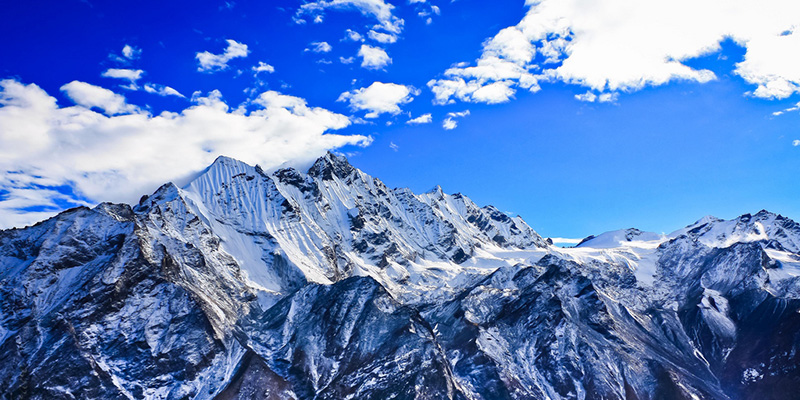
Everest Expedition

Nepal
.
.
.
.
.
.
.
Highlights of Everest Expedition
- Climbers join a long adventure that offers big challenges and strong rewards.
- You stand on the highest peak on Earth and feel a sense of victory few people know.
- Sherpa guides with wide experience lead each section of the climb and support your progress.
- Trekkers see Sherpa lifestyle, enjoy local food, and feel warm welcome in each village.
- The trail to Base Camp shows hills, forests, rivers, and villages filled with natural beauty.
- Climbers receive steady support from Base Camp to the high camps for safe movement.
- Himalayan views follow you from the first walk to the final push toward the summit.
Everest Expedition Overview
Climbers chase Everest because that peak feels like a life marker. Our Everest expedition gives that goal a safe route.
Marvel Treks and Expeditions offers skilled Sherpa leaders who guide every push toward the summit. Climbers join a Mount Everest expedition that uses clear systems, steady pacing, and calm judgment during harsh moments.
Climbing Mount Everest challenges lungs, legs, and confidence. Our crew reduces pressure through smart schedules, reliable oxygen support, and quick decisions during weather shifts. Guides read slopes like old friends, so climbers follow a path that feels smooth rather than chaotic.
Think of each day as another rung on a tall ladder. Climbers rise step by step until the summit ridge sits close enough to touch.
This Mt Everest expedition focuses on comfort, safety, and progress. Our team studies forecasts, checks health, and helps climbers adjust to thin air.
Marvel Treks prepares climbers with training advice and open communication from the start. That approach keeps stress low and gives each person room to grow stronger during long weeks on the mountain.
If Everest sits on your bucket list, this journey offers a confident way forward. Our guides lead, our crew supports, and you climb with purpose.
| Day | Itinerary | Altitude | Duration |
|---|---|---|---|
- a
- b
- c
- x
- y
- z
Detailed Itinerary
A
Hi
History & Evolution of Everest Expeditions
1850s to 1953 – Exploration Era
Survey teams in the 1850s confirmed Everest as the tallest peak. That discovery pushed explorers to study routes for future climbs.
The first organised expedition reached the mountain in 1921. Several attempts followed, yet no one reached the top during this early phase.
1953 – First Successful Ascent
On May 29, 1953, Edmund Hillary and Tenzing Norgay reached the summit through a British team led by John Hunt.
Their success proved that a climb to the highest point on Earth was possible with strong teamwork and oxygen support.
Modern Climbing & Safety Evolution
Gear, training, and guiding services grew stronger each decade. Better ropes, oxygen systems, and weather updates made climbs safer.
By 2010, records listed about 5,100 total ascents from over 3,100 climbers. By late 2024, the number reached roughly 12,884 total ascents completed by about 7,269 climbers.
These numbers show how far Everest climbing has come and how much safer guided expeditions have become.
Everest Expedition (Routes, Duration and Difficulty)
South Col Route – The Most Reliable & Safe Everest Climbing Route
The South Col Route stays the most trusted path for climbers aiming for Everest’s summit.
This route starts from the Nepal side and moves through Base Camp, the Khumbu Icefall, and the Western Cwm before reaching Camp 1, Camp 2, Camp 3, and Camp 4.
Climbers follow fixed lines, work with Sherpa support, and gain height step by step until the final push.
Advanced Base Camp sits above the Icefall and marks the first major gain in altitude for Everest climbers, while the regular Everest Base Camp is the one trekkers visit on the standard trekking trail.
Camp 1, often used as an Advanced Base Camp, gives a safe place to rest, eat warm meals, and plan the next climb. Camp 3 lies on the Lhotse Face, where climbers feel steeper ground and thinner air.
Camp 4 rests on the South Col, close to the summit ridge. Climbers leave from here for their summit push when clear weather arrives.
This route gives climbers the best mix of safety, comfort, and proven success.
Clear markers, good rope work, and experienced Sherpa teams help climbers move with confidence from one camp to the next.
How Long Does It Take to Climb Mount Everest?
Everest climbing duration shifts based on weather, acclimatization, and route plans. Most guided teams spend 35 to 65 days on a full expedition.
Marvel Treks follows a focused 36-day plan, which shortens extra rest days without cutting safety time.
Climbers need a stable summit window to move from Camp 4 to the top. Clear skies, low winds, and mild temperatures create that window. These conditions appear during pre-monsoon and post-monsoon seasons.
- Pre-monsoon (April–May) gives longer summit windows, warmer temperatures, and calmer jet stream winds. These factors make this period the most popular season.
- Post-monsoon (September–October) offers colder days, shorter summit windows, and more wind on high camps. Fewer teams choose this season, yet some climbers prefer quieter slopes.
Who Is This Expedition Perfect For? (Fitness, Age & Skills)
Everest suits climbers who bring strong fitness, patience, and steady mental focus.
The climb takes weeks above high altitude, so bodies must handle low oxygen and long movement days.
Most teams accept climbers 18 years and older, while many successful summiteers fall between 25 and 55 due to strength, recovery speed, and endurance.
Age alone does not decide success, fitness, preparation, and health matter far more.
Climbers need a training plan that builds leg power, core strength, and long-distance endurance. Weeks at altitude test every muscle group, so a fit body handles the load far better.
Regular hikes, long cardio sessions, and strength routines form the base of Everest preparation.
Technical skills play a major role as well. Everest demands comfort with steep slopes, fixed lines, and crampons.
Climbers who gain basic high-altitude experience before arriving at Base Camp adjust faster and move more confidently through each camp.
Essential skills for Everest include:
- Use of crampons on steep snow and ice.
- Movement on fixed ropes with ascenders and descenders.
- Safe ladder crossing in sections like the Khumbu Icefall.
- Ice-axe use for balance and support.
- Crevasse awareness and response skills.
- Ability to clip in and out quickly during crowded sections.
- Strong pacing and breathing control above 7,000 meters.
- Comfort with cold-weather gear, high-altitude boots, and oxygen systems.
This expedition suits climbers who train well, follow guidance, and bring the right mindset for long days in thin air.
How to Prepare for the Everest Expedition (Training, Gear & Health)
Physical Training Plan (Strength, Endurance & Altitude Simulation)
Training for the Everest expedition should start early, stay consistent, and build strength across the whole body.
Climbers need strong legs, steady lungs, and good balance for long days above high altitude. A smart plan builds these skills step by step.
Most climbers begin focused training 6 to 12 months before the expedition.
This timeline gives enough space to grow endurance, improve strength, and add altitude practice without rushing the process.
A clear routine helps the body handle thin air, heavy loads, and cold ground. Cardio work builds stamina for long climbs.
Strength drills protect joints during tough descents. Balance and flexibility support movement across uneven snow.
Key exercises for Everest preparation:
- Long hikes with a backpack to build real climbing endurance.
- Stair climbing sessions to train leg power for steep sections.
- Running, cycling, or swimming for strong cardio base.
- Squats, lunges, step-ups, and deadlifts to strengthen legs and core.
- Weighted carries to prepare for gear loads at altitude.
- Balance drills and mobility stretches for smooth movement on ice.
- Altitude simulation sessions, if available, to prepare your breathing system.
- Weekly rest days to support recovery and protect progress.
This style of training helps climbers move with confidence from Base Camp to high camps.
A strong routine reduces stress, improves rhythm, and sets you up for a safer, smoother push toward Everest’s summit.
Technical Skills You Must Master Before Climbing Everest
Climbing Everest needs more than strength. Climbers must know how to move on snow, ice, and rock while managing gear in harsh conditions.
These skills help you stay safe, save energy, and move with confidence through each camp.
Everest has steep slopes, fixed ropes, ladders, and crevasses. Climbers who train with real equipment before the expedition adjust far faster at altitude.
Practice turns fear into habit, and habit becomes safety.
Here are the core skills every Everest climber must learn:
Essential technical skills:
- Fixed-rope movement: Use ascenders and descenders smoothly on long rope sections.
- Crampon control: Walk, climb, and descend on steep snow and ice without tripping or slipping.
- Ice-axe use: Hold and place your axe for balance and self-arrest during slips.
- Rope handling: Clip in and out fast during busy sections, especially in the Icefall.
- Ladder crossing: Move across aluminum ladders over crevasses using balance and steady footwork.
- Steep-slope travel: Climb on the Lhotse Face while keeping calm on hard ice.
- Crevasse skills: Understand safe movement around crevasses and basic rescue steps.
- Glacier travel: Follow safe spacing, rope systems, and pacing across shifting glacier ground.
Gear you must know how to handle:
- Ascenders and descenders for fixed-rope climbs.
- Crampons and high-altitude boots for traction and warmth.
- Ice-axe for stability and emergency stops.
- Carabiners, safety lines, jumar devices for quick transitions.
- Helmet for protection in the Icefall and rockfall zones.
- Harness fitted correctly for long hours on rope.
- Oxygen mask and regulator for upper camp use.
- Glacier rope setup for travel across crevasse fields.
Learning these skills through guided training climbs, winter courses, or prior 6,000–7,000m peaks prepares you for Everest’s demands.
Climbers who master their gear and movement early reduce risk, save energy, and stay focused during the summit push.
Mental Toughness & High-Altitude Risk Awareness
Everest tests the mind as much as the body. Long days, cold winds, and slow progress can drain confidence if you arrive unprepared.
Climbers who stay calm, patient, and focused handle altitude stress better and move with a clear plan.
Mental strength helps you manage fear, control breathing, and make smart choices when the mountain pushes back.
High altitude brings risks like headaches, nausea, poor sleep, and loss of appetite. These symptoms appear even in strong athletes.
Climbers who understand these risks ahead of time react faster and protect their health. Mental preparation helps you stay aware of signals your body sends, speak up early, and follow safe decisions from guides.
A calm mind also supports teamwork. Everest demands trust, open communication, and steady cooperation.
Climbers who stay positive and flexible create a strong group, which raises safety for everyone.
Why mental toughness matters:
- Long exposure to cold and wind can lower morale without steady focus.
- Slow climbs and waiting periods can cause frustration that drains energy.
- High altitude affects sleep, appetite, and clarity; a strong mind keeps you steady.
- Stress and fear can rise in steep sections; calm breathing helps you control reactions.
- Clear thinking supports fast decisions during weather changes.
Tips for mindfulness and mental strength:
- Practice slow, deep breathing to calm nerves during tough climbs.
- Use short mental goals, focus on the next step, not the full route.
- Visualize key sections like the Icefall or Lhotse Face before the climb.
- Keep a positive inner voice to control doubt and stress.
- Build patience by training in harsh weather or long hikes.
- Meditate for 5–10 minutes a day to improve focus and control.
- Sleep well, eat well, and protect your energy during rotation days.
- Learn to pause and reset when stress rises instead of pushing blindly.
How to adjust to altitude risks:
- Follow a slow pace to let your body adapt each day.
- Drink plenty of water to avoid dehydration at altitude.
- Eat warm meals even when appetite drops.
- Report headaches, dizziness, or confusion early.
- Rest during acclimatization days to improve oxygen use.
- Never rush between camps; steady pace protects your lungs and heart.
- Trust your guides if they recommend descent for safety.
A strong mind helps you stay safe, stay focused, and stay connected to your goal.
Climbers who train their mindset as seriously as their body stand on Everest with greater confidence and better control.
Everest Expedition Full Packing Guide (Technical Gear, Clothing, Health & Personal Care)
A strong packing list keeps you safe, warm, and prepared from Base Camp to Camp 4. Everest demands gear that handles cold winds, steep ice, and long days.
This guide gives you every key item you need for a premium expedition.
1. Technical Climbing Gear
- Climbing harness with strong gear loops
- Crampons that fit high-altitude boots
- Ice-axe for balance and emergency stops
- Jumar device for upward rope movement
- Carabiners (locking + non-locking)
- Helmet for Icefall and rockfall zones
- High-altitude boots for deep cold
- Headlamp with extra batteries
- Oxygen mask and regulator for summit push
- Oxygen bottles (provided by operator)
2. Clothing System
Top Layers
- Base layer tops (moisture-wicking)
- Fleece or mid-layer jackets
- Softshell jacket for movement
- Down jacket for cold mornings
- Full down suit for high camps
- Windproof outer shell
- Lightweight shirts for trekking days
Bottom Layers
- Thermal base layer pants
- Softshell trekking pants
- Insulated pants for Camp 3 and above
- Down suit bottoms for summit push
3. Footwear & Handwear
Footwear
- High-altitude double boots
- Trekking boots for approach days
- Camp shoes or sandals for Base Camp
- Gaiters for snow protection
Socks
- Warm wool socks
- Thin liner socks
- Extra pairs for rotation days
Gloves & Mittens
- Lightweight inner gloves
- Insulated gloves for cold wind
- Heavy mittens for summit night
- Spare pairs for backup
4. Eye & Face Protection
- Glacier sunglasses with full UV protection
- Ski goggles for wind and snow
- Balaclava for face warmth
- Neck gaiter or buff for airflow control
- Sun hat for trekking days
- Warm beanie for nights
- SPF lip balm
5. Sleeping & Camping Gear
- High-altitude sleeping bag (extreme cold rated)
- Insulated sleeping mat
- Personal tent setup (provided by operator)
- Thermos bottle for warm drinks
- Waterproof stuff sacks to protect clothing
6. Backpacks & Waterproofing
- Large duffel bag for gear (waterproof or with waterproof cover)
- 30L–40L daypack for rotation climbs
- Dry bags to protect electronics, clothing, and important items
- Rain cover for backpacks
- Waterproof pouches for documents and money
(Anything that touches electronics, documents, base layers, or down gear must stay waterproof.)
7. Emergency Medication & Health Items
(All antibiotics, altitude meds, and strong medication should be taken as per doctor’s advice.)
- Basic pain relief tablets
- Altitude sickness medicine (doctor approved)
- Oral rehydration salts
- Anti-diarrhea tablets
- Blister care patches and tape
- Antiseptic wipes
- Cough drops for dry air
- Throat spray
- Hydration tablets
- Bandages and small first-aid items
- Personal inhaler (if needed)
8. Toiletries & Personal Care
Toiletries
- Toothbrush and toothpaste
- Biodegradable soap
- Wet wipes for quick cleaning
- Hand sanitizer
- Small quick-dry towel
- Nail clippers
- Toilet paper in waterproof bags
Skin Care
- Sunscreen with high SPF
- Lip balm with SPF
- Moisturizer for dry skin
- Foot care cream for cracked heels
Sanitary Essentials
- Women’s hygiene products (pads, tampons, cup)
- Pee bottle for cold nights
- Waste bags for remote areas
- Extra underwear and thermal innerwear
9. Personal Items & Extras
- Sunglasses case
- Camera or action camera
- Power bank
- Extra charging cables
- Notebook and pen
- Snacks and energy bars
- Small repair kit for gear
Why Climb Everest with Marvel Treks? (Our Premium Advantage)
High Success Rate & Small Team Strategy
Marvel Treks keeps each team small so guides can watch every climber closely. Small groups move better in tough weather and handle altitude changes with less stress.
Guides track health, pace, and energy each day. This support helps climbers stay strong and raises the chance of reaching the summit.
Superior Logistics & Base Camp Facilities
Marvel Treks sets camps early, moves gear on time, and keeps food warm and fresh. Base Camp offers clean tents, good bedding, and steady communication.
These comforts help climbers rest well between rotations. Strong logistics reduce pressure and give climbers more energy for steep sections.
Emergency Response, Oxygen Systems & Medical Support
Safety stays a top focus on all Marvel Treks expeditions. Guides carry backup oxygen, solid regulators, and emergency gear.
Teams check oxygen levels and health during each rotation. Sherpa staff know rescue steps and respond fast when weather shifts or altitude symptoms appear. This support keeps climbers safe on every part of the route.
Transparent Pricing & Ethical Climbing Policies
Marvel Treks uses clear pricing with no hidden costs. Sherpa staff receive fair pay, proper gear, and full insurance. Ethical rules guide each step of the climb.
Climbers join a team that respects workers, protects the mountain, and delivers honest service from Base Camp to Camp 4.
Price W/O Addons: US$ 150 per person
- a
- b
- c
- x
- y
- z
Everest Expedition
Original price was: $199.00.$150.00Current price is: $150.00. $150.00,
Dates of Trip
1500Save 300
December 9, 2025 - December 26, 2025
Group Discount Prices
Frequently Asked Questions
Traveler Reviews




. from 199
$ 150/pax




We are featured on

Reviews
There are no reviews yet.